Netanyahu's Pardon Plea for Corruption Ignites Protests in Tel Aviv Amidst War Crimes Allegations & International Scrutiny
Dec 1, 2025
 Israel
Politics
Israel
Politics
Israel
Politics
PM Netanyahu seeks a presidential pardon for corruption charges, sparking large protests in Tel Aviv. Opposition and rights groups condemn the move, while inter
Netanyahu's Pardon Plea for Corruption Ignites Protests in Tel Aviv Amidst War Crimes Allegations & International Scrutiny
Prime Minister Benjamin Netanyahu's audacious move to seek a full presidential pardon for his ongoing corruption charges has ignited a firestorm of protest across Israel, particularly in Tel Aviv. The request, made without any admission of guilt or expression of remorse, has been met with immediate and fierce public opposition, casting a stark spotlight on Israel's legal and political landscape.
A Controversial Pardon Request
At 76, Israel's longest-serving Prime Minister submitted his petition for a presidential pardon on a Sunday, just hours before angry crowds gathered outside President Isaac Herzog’s residence in Tel Aviv. Netanyahu's legal team, in a 111-page letter to the president's office, asserted his belief in a full acquittal, yet the Prime Minister himself cited “security and political reality” and “the national interest” as reasons to end the trial, arguing its continuation was “tearing us apart from within.”
Tel Aviv Erupts in Protest
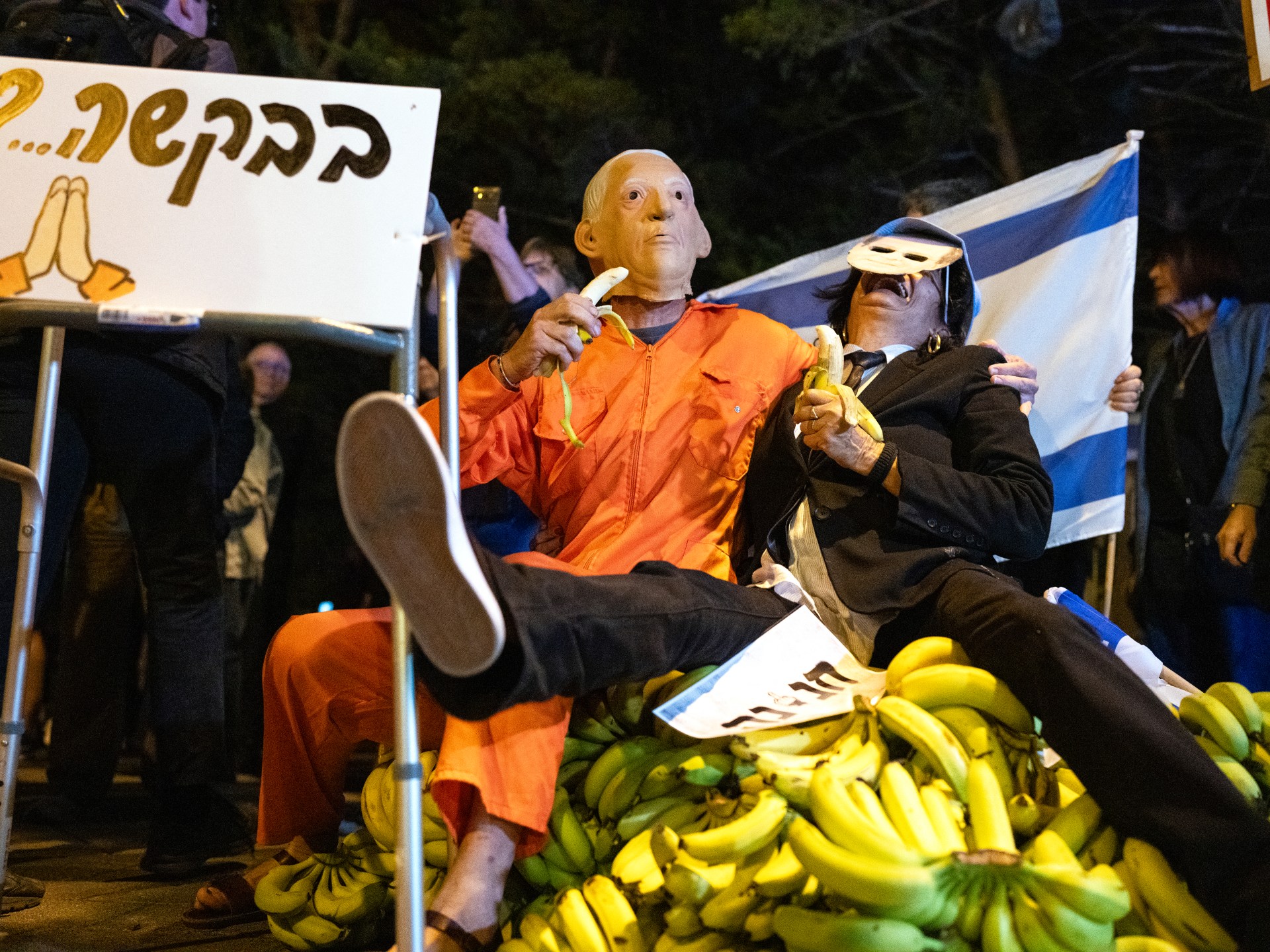
Under the potent slogan “Pardon = Banana Republic,” dozens of activists and opposition lawmakers, including Naama Lazimi, converged on Herzog's private home. Protesters made their message clear, with one individual even donning an orange prison jumpsuit resembling Netanyahu. Prominent anti-government activist Shikma Bressler articulated the public's outrage, stating that the request amounted to cancelling the trial “without taking any responsibility, without paying the price for how he tore up this country.” The sentiment echoed widely, emphasizing the perception that the nation's future and democratic principles were at stake.
The Gravity of the Charges
Netanyahu has faced trial for five years, grappling with three distinct cases involving bribery, fraud, and breach of trust. Among the serious allegations, he and his wife, Sara, are accused of receiving over $260,000 in luxury items, including cigars, jewelry, and champagne, from billionaires in exchange for political favors. Additionally, he faces accusations of attempting to manipulate media coverage from two Israeli outlets for more favorable reporting.
President Herzog's Deliberation
President Herzog’s office confirmed the receipt of what it described as an “extraordinary request, which carries with it significant implications.” The statement assured the public that the President would “responsibly and sincerely consider the request” after gathering all pertinent opinions. Historically, presidential pardons in Israel are typically granted only post-conviction, making Netanyahu's pre-judgment request highly unusual.
International Ramifications and US Intervention
The domestic legal battle is further complicated by severe international scrutiny. The Hague-based International Criminal Court (ICC) issued arrest warrants in November 2024 for Netanyahu and former Defence Minister Yoav Gallant, citing charges of war crimes and crimes against humanity linked to the devastating conflict in Gaza, which has claimed over 70,000 lives. Amidst this, former US President Donald Trump has publicly and privately urged Israel to pardon Netanyahu, addressing Herzog during a Knesset speech and in a subsequent letter, dismissing the corruption case as “political, unjustified prosecution.”
Widespread Condemnation and Support
The pardon request immediately drew fire from the opposition. Opposition leader Yair Lapid insisted that a pardon without guilt admission, remorse, and political retirement was unacceptable. Former deputy military chief Yair Golan echoed this, demanding Netanyahu’s resignation and emphasizing, “Only the guilty seek pardon.” The Movement for Quality Government in Israel warned that granting a pardon would dangerously suggest that certain citizens are above the law, threatening the very foundations of Israeli democracy. Conversely, coalition allies like National Security Minister Itamar Ben-Gvir and Finance Minister Bezalel Smotrich rallied behind Netanyahu, asserting he had been “persecuted for years by a corrupt judicial system.” Defence Minister Israel Katz suggested a pardon could heal the nation’s deep societal rifts.
An “Outlaw” and a “Liability”
Al Jazeera’s senior political analyst Marwan Bishara critically labeled Netanyahu a “liability for Israel.” Bishara highlighted Netanyahu's prior “crusade” against Israel’s judiciary and supreme court, which had already sparked widespread domestic protests before the Gaza conflict. He stressed the profound implications of Netanyahu's legal troubles and international indictments, framing him as an “outlaw” and an “international fugitive.” According to Bishara, Netanyahu’s continued leadership would hinder Israel’s economic recovery, societal healing, and the resolution of the ongoing war, positioning him as “hostage to his criminal past.” The implications of this pardon request resonate far beyond Netanyahu’s personal fate, touching upon the core tenets of justice, democracy, and Israel's standing on the global stage.
By news
8 months ago