Swiss Voters Decisively Reject Compulsory Civic Duty and Super-Rich Climate Tax
Switzerland's unique system of direct democracy witnessed a significant electoral event on Sunday, November 30, as voters overwhelmingly rejected two major national initiatives. The proposals, one advocating for a compulsory civic duty for all citizens irrespective of gender and another for a substantial climate tax on large inheritances, failed to gain traction. The decisive "no" votes, marked by high rejection margins, surprised many observers, positioning these defeats among the most resounding for popular initiatives in the last quarter-century of Swiss democracy.
Universal Service Proposal Falls Short
The "Civic Duty" initiative aimed to overhaul the existing men-only military conscription system. It proposed a mandatory national service for every Swiss citizen, offering the flexibility to serve either in the armed forces or in a civilian capacity. Proponents championed this reform as a path to fostering "true equality" and strengthening social cohesion, envisioning a nation where both men and women contribute equally to national service. Noemie Roten, who headed the initiative committee, underscored the current system's inherent discrimination, affecting men by mandatory service and women by excluding them from valuable networking and experience opportunities often gained during service.
However, the proposal was resoundingly snubbed by a staggering 84% of voters nationwide. Opponents, including Defence Minister Martin Pfister, countered that the initiative would not genuinely enhance equality, highlighting women's substantial, often unpaid, contributions to Swiss society. Concerns were also raised about the practicality and immense costs associated with doubling the number of recruits, which critics argued would far exceed the nation's actual defense needs. Despite this significant setback, Roten expressed ongoing optimism, drawing historical parallels to the protracted journey of women's suffrage in Switzerland and projecting the eventual triumph of the civic duty concept in future decades.
Climate Tax on Wealthy Inheritances Rejected
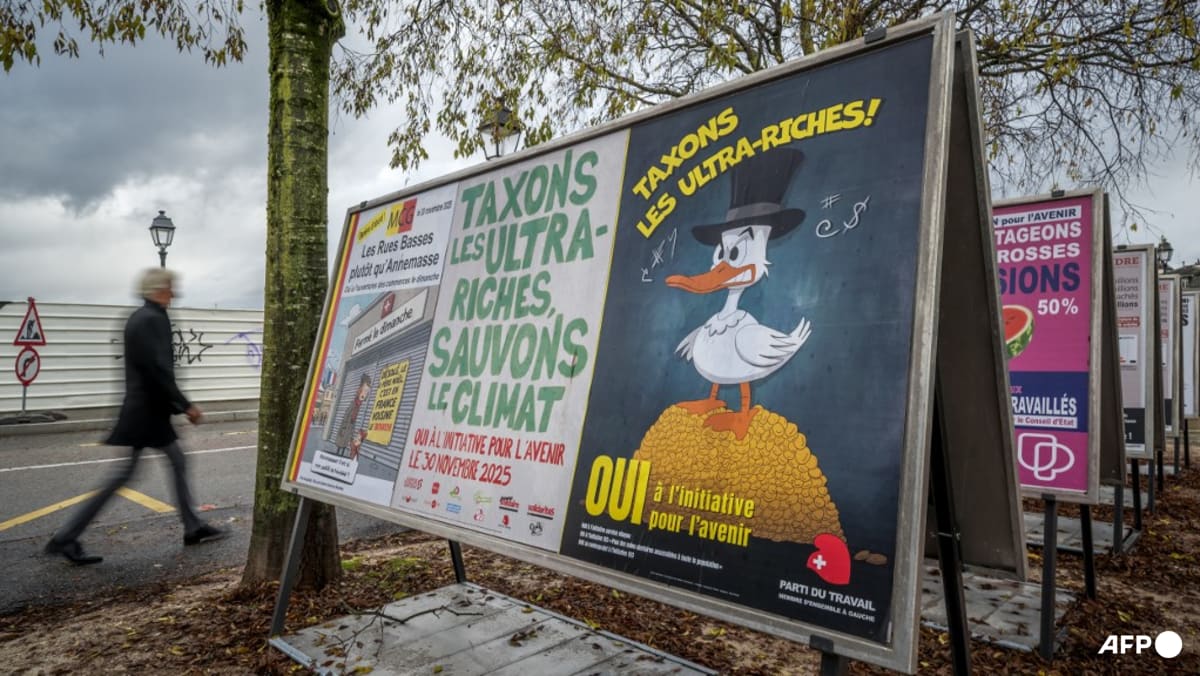
Concurrently, the "initiative for a future," primarily driven by the youth wing of Switzerland's Socialist Party, also faced a strong rejection, with over 78% of voters opposing its implementation. This initiative sought to impose a substantial 50% inheritance tax on fortunes exceeding 50 million Swiss francs (approximately US$63 million). This measure was estimated to directly affect around 2,500 of the nation's wealthiest households. Operating under the evocative slogan "tax the rich, save the climate," advocates projected that the tax could generate an annual revenue of six billion Swiss francs. These funds were intended to be channeled into an ambitious ecological transformation of the Swiss economy, encompassing initiatives like building renovations, the expansion of renewable energy sources, and the enhancement of public transportation networks.
Both the Swiss government and parliament had voiced strong opposition to both initiatives, cautioning against their potential to incur immense costs and pose significant threats to the national economy. Regarding the proposed climate tax, a robust opposition campaign articulated fears of capital flight, arguing that such a high tax rate would deter affluent individuals from settling in Switzerland and could severely impact family businesses passed down through generations. Swiss President and Finance Minister Karin Keller-Sutter articulated that the vote's outcome sends a "bad signal" to prospective wealthy residents. Johanna Gapany, a Liberal parliamentarian, sharply criticized the proposal, describing it not as a legitimate tax but rather a "hold-up by the state." Conversely, Clarence Chollet of the Greens expressed profound disappointment, characterizing the outcome as "bad news for climate protection" and lamenting the "David against Goliath" struggle where substantial resources were mobilized against the environmental initiative.
With a voter turnout recorded at 43%, these results underscore the Swiss populace's prevailing cautious approach to proposals that suggest significant alterations to economic stability and traditional societal structures. Nevertheless, the underlying debates concerning equality and climate action are expected to continue evolving within the country's political landscape.