Greek Farmers Escalate Protests Over Delayed EU Subsidies and Fraud Probe
Greek farmers recently engaged in heated confrontations with police across central and northern Greece, protesting the significant delays in their European Union subsidy payments. The demonstrations, which saw farmers blockade the Athens-Thessaloniki national highway near Larissa with hundreds of tractors, turned confrontational as police deployed tear gas.
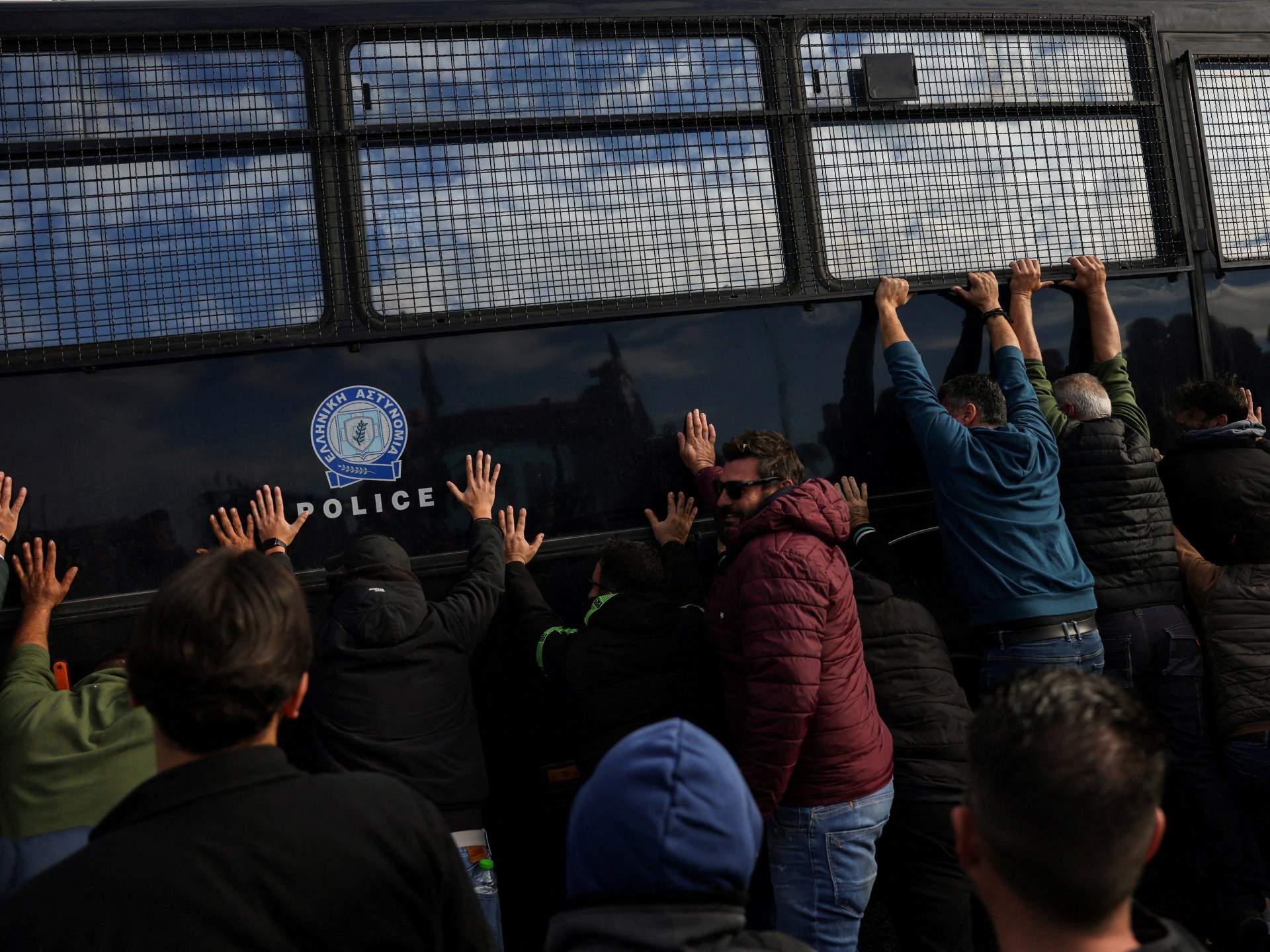
The most intense clashes occurred near Nikaia, a town close to Larissa, where farmers attempted to overturn a riot police vehicle on November 30, 2025. Despite three arrests made by authorities, the farmers successfully shut down the major highway, signaling their intent for continued action. "We will stay here until [the government] gives solutions," declared Costas Tzelas, a local farm trade unionist, highlighting the farmers' resolve.
A Web of Delays and Alleged Fraud
The ongoing delays in subsidy disbursements are intricately linked to a wider investigation into a major fraud scandal. This probe centers on allegations that certain farmers fabricated land and livestock ownership claims to illicitly receive EU agricultural subsidies. Greek officials estimate that these fraudulent claims, targeting the Common Agricultural Policy (CAP), amount to over 30 million euros ($35 million).
Deputy Minister of Rural Development and Food, Christos Kellas, addressed the situation on state broadcaster ERT, confirming that farmers had received reduced EU subsidies due to the active fraud investigation. He stated that approximately 100 million euros ($116 million) less had been distributed at this stage. Kellas assured that "After appeals, those who are entitled to funds will receive them," indicating a process for legitimate claimants.
Separate investigations have been initiated by Greek authorities, with the parliament also scrutinizing OPEKEPE, the government agency responsible for distributing an estimated 2.5 billion euros ($2.9 billion) in EU aid to hundreds of thousands of farmers annually. The scandal has already had political repercussions, leading to the resignation of a minister within Prime Minister Kyriakos Mitsotakis's conservative government.
Livestock Farmers Face Additional Hardship
Adding to the widespread discontent, livestock farmers are also demanding compensation for substantial losses. Over 400,000 sheep and goats were culled following a devastating sheep pox outbreak, a measure taken to prevent the disease's further spread. Farmers' requests to vaccinate their remaining flocks have been rejected by authorities, who maintain there is insufficient proof of the vaccine's effectiveness.
These combined grievances underscore a period of significant unrest and financial strain for Greece's agricultural sector, prompting a demand for urgent and transparent resolutions from the government.