Trump Delivers Stark Ultimatum to Maduro as US-Venezuela Tensions Soar
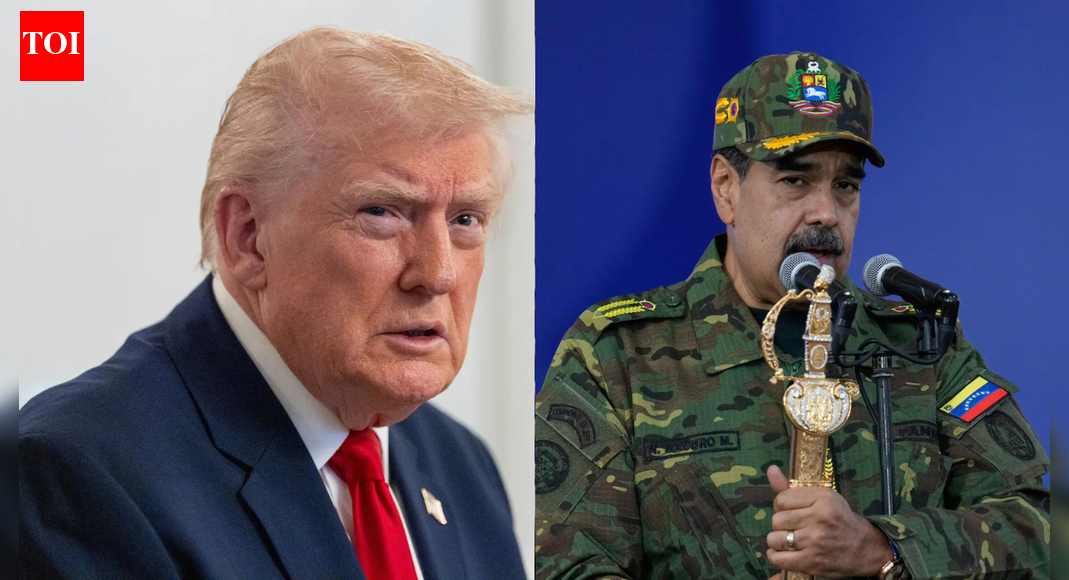
The geopolitical standoff between the United States and Venezuela intensified dramatically following a stark ultimatum delivered by US President Donald Trump to Venezuelan leader Nicolás Maduro. In a candid phone conversation, Trump reportedly told Maduro, “You can save yourself and those closest to you, but you must leave the country now,” according to insights from the Miami Herald.
An Offer Refused, Talks Collapse
The US administration presented a proposition for safe passage for Maduro, his wife Cilia Flores, their son, and several high-ranking allies, contingent on their immediate departure. However, Caracas swiftly rejected these terms, leading to the collapse of the critical talks. President Trump later confirmed the call, albeit cautiously, stating to reporters, “I wouldn’t say it went well or badly,” following the high-stakes exchange.
Maduro's Demands for Amnesty and Military Control
The November 16 discussions reportedly faltered when Maduro put forth two significant demands. First, he sought comprehensive global amnesty for himself and his inner circle for any alleged crimes. Second, he insisted on retaining command of Venezuela's armed forces, even in the event of free elections. Both proposals were unequivocally dismissed by Washington, which instead reiterated its demand for Maduro's immediate resignation. Subsequent attempts by Maduro's government to re-establish communication with Washington went unanswered, signaling a severe breakdown in diplomatic channels.
Escalating Pressure and Military Actions
In the wake of the failed negotiations, President Trump dramatically escalated pressure on Venezuela. He issued a public warning that US military operations “by land” could commence “very soon” and explicitly ordered all aircraft to avoid Venezuelan airspace. This directive was quickly reflected on FlightRadar24 maps, which showed a complete absence of international flights over the country. Airlines rerouted services to nearby Aruba and Curaçao, and major carriers halted operations after a Federal Aviation Administration alert regarding “heightened military activity.”
Venezuela responded by revoking the operating rights of several foreign carriers, condemning Washington's actions as “colonial aggression.”
The Drug Crisis Connection and US Defense
US officials have strongly defended the administration's aggressive posture, linking it directly to the ongoing drug crisis. Senator Dave McCormick, speaking on Fox News Sunday, asserted, “We have a war that’s coming through fentanyl, through opioids, through cocaine,” attributing the surge in narcotics, which reportedly killed 100,000 Americans last year, to Venezuela.
The US has consequently intensified its maritime interdiction efforts against suspected drug boats in the Caribbean, actions that have drawn criticism as potentially extrajudicial. Congressional inquiries are reportedly underway concerning an alleged “double tap” strike near Trinidad, an incident that US Secretary of War Pete Hegseth has denied ordering. Experts familiar with Venezuela's military and cartel networks suggest that Maduro and his key figures are now confronting their most formidable threat to date.