China Halts Brazilian Soy Amid Contamination; Asia's Top Weekend Stories: Japan Boycott Evolution & Hong Kong Fire Heroes
Dec 1, 2025
 China
World News
China
World News
China
World News
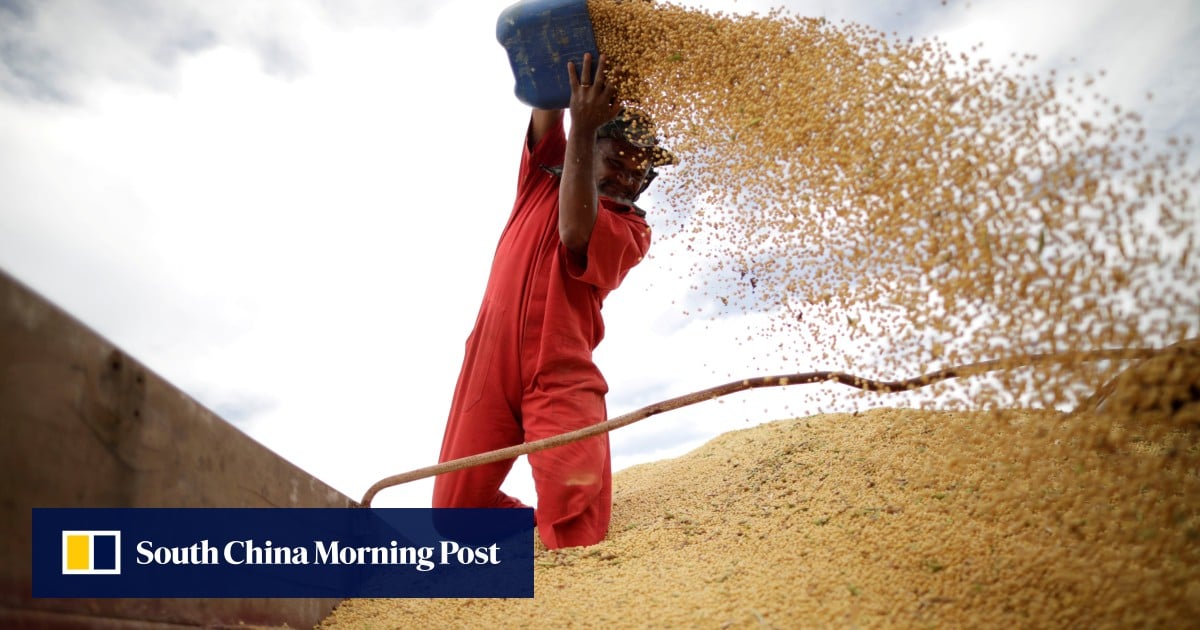
China halts Brazilian soy imports over contamination, pivoting to the US. Explore why Chinese sentiments on Japanese product boycotts are changing, and read tal
Weekend News Digest: China Soy Shift, Japan Boycott Evolution & Hong Kong Heroes
This past weekend delivered a crucial digest of news from Asia and beyond, spotlighting significant developments in international trade, evolving geopolitical sentiments, and profound human courage. Here are three essential stories that captured attention and offered vital insights.
China Halts Brazilian Soy Imports, Pivots to US
A major shift in global agricultural trade has occurred as China reportedly suspended certain soybean imports from Brazil. This decision stems from identified contamination issues within Brazilian shipments. As a consequence, China, a leading global consumer of soybeans, is now redirecting its purchasing efforts towards the United States. This strategic pivot aims to secure its substantial food supply, presenting notable implications for the agricultural economies of both Brazil and the US.
Understanding China's Changing Stance on Japanese Product Boycotts
An intriguing analysis explores the evolving sentiment within China regarding boycotts of Japanese products. Despite recent political tensions, such as protests in Tokyo following Japanese Prime Minister Sanae Takaichi's remarks on Taiwan, there appears to be a diminishing inclination among the Chinese public to participate in such boycotts. This piece delves into the underlying factors contributing to this complex shift in consumer behavior and nationalistic sentiment.
Hong Kong's Heroes: Domestic Helpers Show Courage During Deadly Fire
Amidst the tragic backdrop of a deadly fire in Hong Kong, stories of immense courage and selflessness have come to light. The focus is on domestic helpers who, in the face of extreme danger, chose to stay with and protect their wards. These moving accounts underscore the powerful bonds forged within households and the significant personal risks taken by these individuals, many of whom subsequently faced displacement and the loss of friends. Their actions stand as a poignant reminder of human resilience and dedication.
By news
8 months ago
No cameras found for this country.