Conservative Asfura Takes Lead in Highly Polarized Honduran Presidential Race
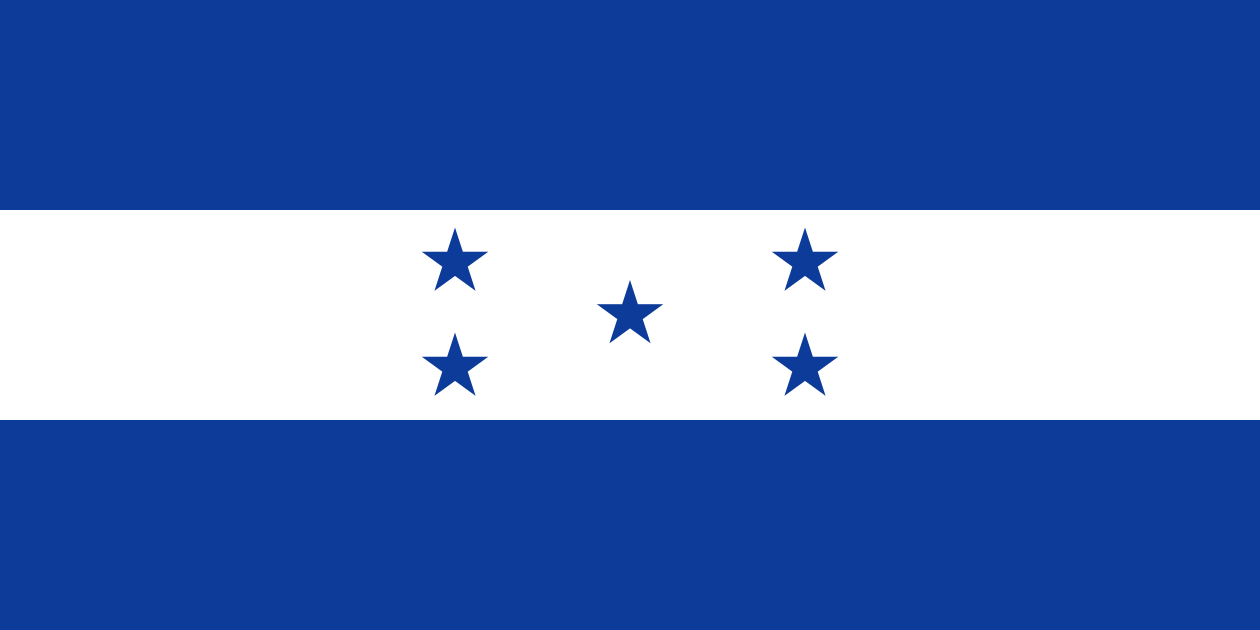
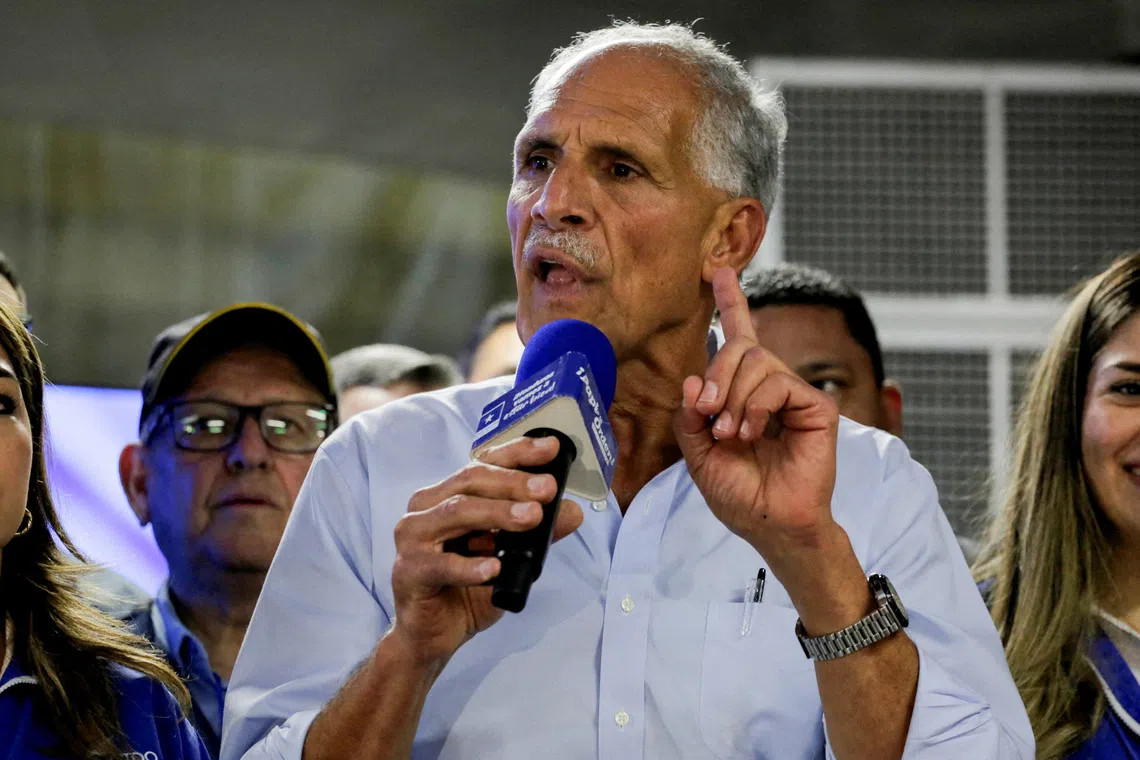
Preliminary results from Honduras' general election on November 30, 2025, indicate that conservative candidate Nasry Asfura of the National Party (PN) has established a significant lead. The 67-year-old former mayor of Tegucigalpa currently commands 41% of the votes counted, according to initial figures released by the country’s electoral authority.
Key Contenders and Early Results
The early count places Liberal Party candidate Salvador Nasralla in second position, having secured approximately 39% of the votes. Rixi Moncada, representing the ruling LIBRE party, is in third place with 20%. The candidate who ultimately achieves a simple majority will take office to govern Honduras for the term spanning 2026 to 2030.
Election Under a Cloud of Polarization and Fraud Allegations
The election, which involved selecting 128 members of Congress, numerous mayors, and thousands of other public officials, has been marked by an exceptionally polarized political climate. All three primary contenders have openly traded accusations of potential electoral fraud. Notably, Rixi Moncada has publicly suggested she might not recognize the official results, adding to the tension.
Trump's Endorsement and Controversial Remarks
The hotly contested race garnered international attention, particularly due to the involvement of former U.S. President Donald Trump. Through a series of social media posts, Trump explicitly endorsed Asfura, stating his belief that he could work with the candidate to combat drug trafficking. In a controversial remark, he added, "if he doesn't win, the United States will not be throwing good money after bad."
Adding further complexity, Trump also announced on Friday his intention to grant a pardon to former Honduran President Juan Orlando Hernandez. Hernandez, who led Honduras from 2014-2022 as a member of the National Party, is currently serving a 45-year prison sentence in the U.S. on serious drug trafficking and firearms charges. This move underscores the deep entanglement of domestic politics with international relations in the region.