UK MP Tulip Siddiq Sentenced in Absentia to Two Years in Bangladeshi Prison Over Corruption Allegations Tied to Ousted PM Sheikh Hasina
Dec 1, 2025
 Bangladesh
Politics
Bangladesh
Politics
Bangladesh
Politics
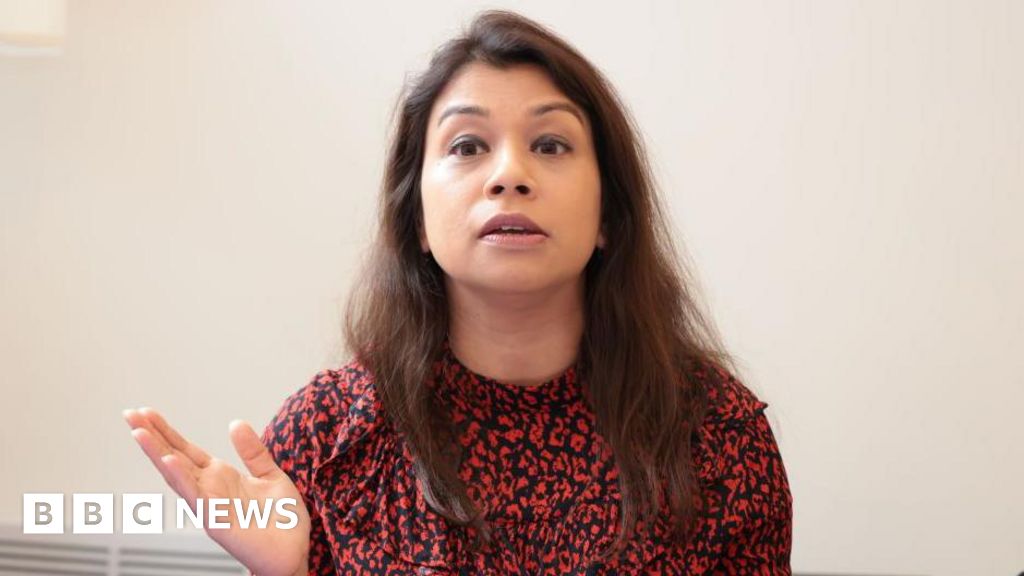
London MP Tulip Siddiq received a two-year prison sentence in Bangladesh over corruption allegations linked to ex-PM Sheikh Hasina. She denies charges and won't
UK MP Tulip Siddiq Sentenced in Absentia by Bangladeshi Court
Labour MP Tulip Siddiq, a sitting London politician, has been handed a two-year prison sentence in Bangladesh following a trial conducted in her absence. The verdict, which also included a 100,000 Bangladeshi Taka fine, stems from corruption allegations linking her to the ousted former Prime Minister Sheikh Hasina, her aunt. Ms. Siddiq vehemently denies the charges, which accuse her of leveraging her influence to secure a plot of land in Dhaka's outskirts for her family.
Unlikely to Serve Sentence Amidst Denials
Despite the sentence, which adds an additional six months if the fine isn't paid, it is widely considered unlikely that the Hampstead and Highgate MP will serve any time in a Bangladeshi prison. Based in London, she has consistently rejected the accusations.
The trial, which has unfolded in Dhaka since August, involved Ms. Siddiq and 16 others. Prosecutors from Bangladesh's Anti-Corruption Commission (ACC) argued that Ms. Siddiq, as a Bangladeshi citizen, had "forced and influenced" her aunt, Sheikh Hasina, to obtain land for her mother, sister, and brother. However, Ms. Siddiq's legal team disputes her Bangladeshi citizenship, stating she has never held an ID card or voter ID and has not had a Bangladeshi passport since childhood.
Wider Crackdown and Controversial Trials
This sentencing occurs amidst a broader crackdown by Bangladeshi prosecutors on Sheikh Hasina, her former associates, and family members since her regime was overthrown in July 2024. Ms. Hasina herself was recently sentenced to death in absentia for crimes against humanity and received a 21-year prison sentence in a separate land deal case.
Ms. Siddiq resigned from her Treasury minister role in the UK government in January to avoid "distraction" regarding her ties to Ms. Hasina. At the time, she maintained her innocence, stating, "I have done nothing wrong and will respond to any credible evidence that is presented to me."
UK Lawyers Raise Concerns Over Fairness
The fairness of the trial has been questioned by a group of senior UK lawyers, including former Justice Secretary Robert Buckland and Lady Cherie Blair. In a letter to Bangladesh's UK representative, they expressed concerns that Ms. Siddiq was denied proper legal representation, describing the process as "artificial and a contrived and unfair way of pursuing a prosecution."
Ongoing Allegations and Extradition Challenges
Ms. Siddiq continues to face other outstanding charges in Bangladesh, including investigations into an alleged transfer of a flat in Dhaka and accusations of embezzlement related to a 2013 nuclear power plant deal. These allegations, originating from political opponents, are part of wider claims by Bangladeshi authorities that an estimated $234 billion was appropriated through corruption during Ms. Hasina's tenure.
While a UK ethics adviser found no evidence of improprieties regarding Ms. Siddiq's conduct before her resignation, he noted the "regrettable" lack of awareness regarding potential reputational risks from her connections. The UK currently lacks an extradition treaty with Bangladesh, making her return for sentencing highly improbable.
By news
8 months ago
No cameras found for this country.