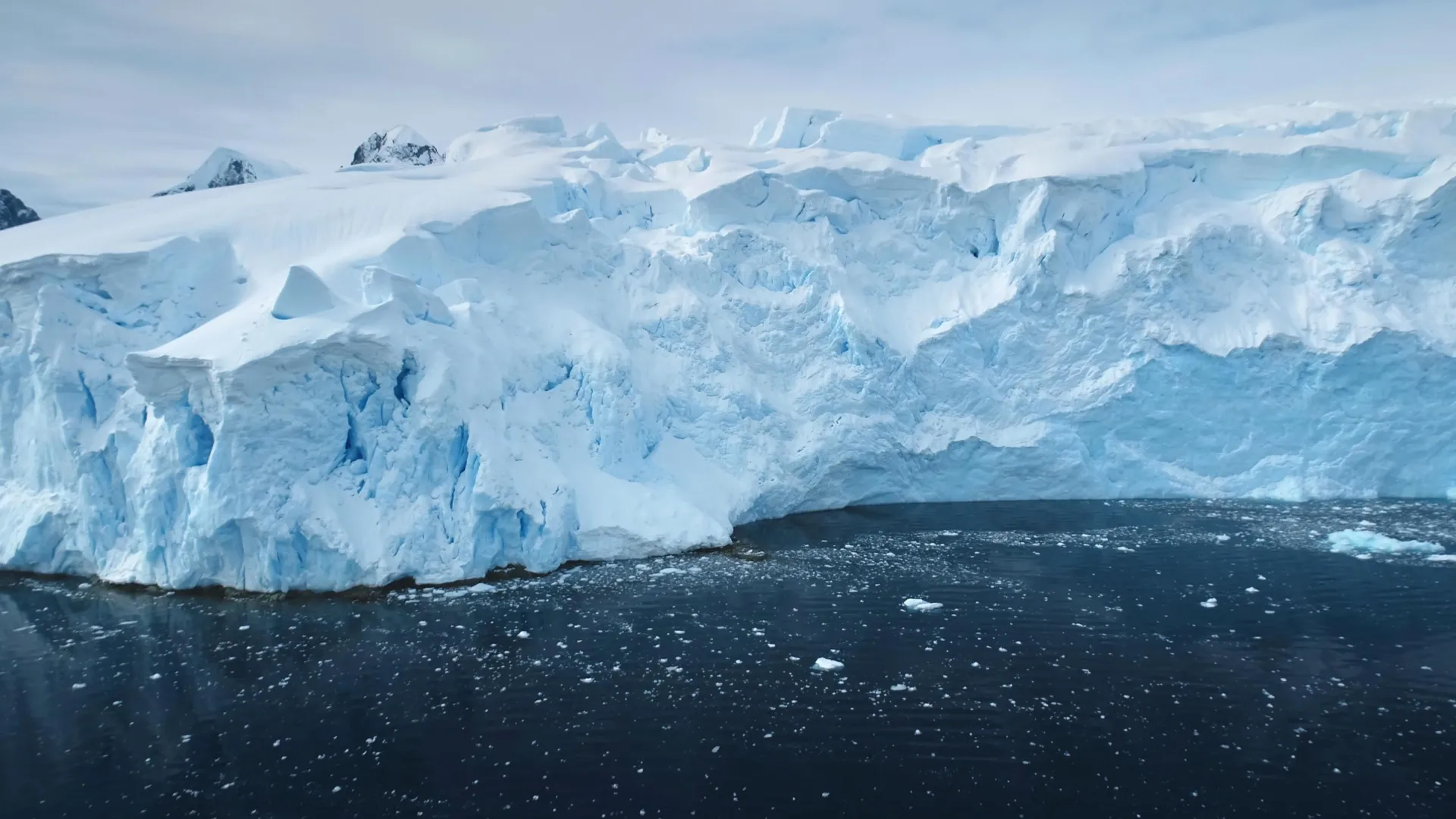
Recent findings from researchers at the University of Manitoba, initially reported by ScienceDaily, have unveiled a concerning acceleration in the disintegration of Antarctica's infamous 'Doomsday Glacier,' officially known as Thwaites Glacier. Utilizing advanced satellite observation technology, scientists have detected a rapid collapse, marking a critical development in the ongoing assessment of global climate change impacts. This significant glacial retreat carries profound implications for future global sea-level rise.
Understanding the 'Doomsday Glacier'
The Thwaites Glacier earned its ominous nickname due to its immense size and its potential to contribute significantly to global sea-level rise should it fully collapse. Located in West Antarctica, it acts as a crucial buttress, holding back a vast amount of ice. Its accelerated melt is primarily driven by warming ocean waters eroding its ice shelves from below, a process meticulously tracked by satellite data. These observations provide invaluable insights, offering a detailed, near real-time perspective on these dramatic changes in Earth's polar regions.
Implications for Global Sea Levels
Experts warn that a faster-than-anticipated collapse of Thwaites Glacier could have widespread environmental and socio-economic consequences, directly affecting coastal communities worldwide. The research spearheaded by the University of Manitoba highlights the crucial role of advanced scientific monitoring and interdisciplinary research in understanding and predicting the complex effects of climate change. Continued international satellite surveillance will be vital in tracking the glacier's stability, refining climate models, and preparing for future environmental shifts.