Published Dec 01, 2025

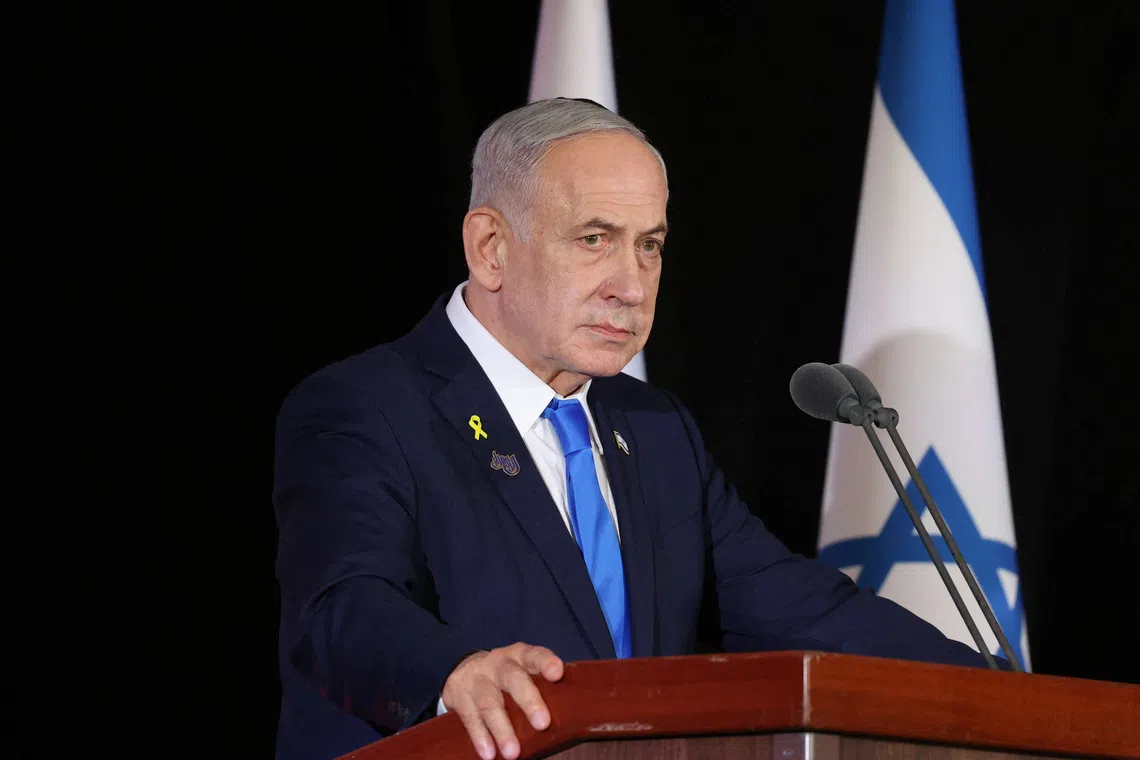
Israeli Prime Minister Benjamin Netanyahu made a significant court appearance on December 1st, marking his first since formally seeking a presidential pardon for his ongoing corruption charges. This controversial move has received public support from his close ally, former US President Donald Trump, adding an international dimension to the domestic political drama.
Netanyahu, Israel's longest-serving prime minister, faces serious allegations of bribery, fraud, and breach of trust, stemming from investigations that began years ago and led to his indictment in 2019. His high-profile trial commenced in 2020, and he has consistently maintained his innocence, denying any wrongdoing. His legal team asserts that they anticipate a full acquittal if the judicial process is allowed to conclude. Notably, Netanyahu's pardon request did not include an admission of guilt, a departure from typical pardon procedures in Israel.
Political Fallout and Public Reaction
The request has ignited a fierce debate within Israeli political circles. Opposition figures have largely condemned the move, with some suggesting that a pardon should only be granted if Netanyahu agrees to retire from politics and acknowledge his guilt. Others argue that he must first call national elections, currently scheduled for October 2026, before any pardon consideration.
Former Prime Minister Naftali Bennett, who briefly unseated Netanyahu in 2021, voiced conditional support for ending the trial. Bennett suggested he would back such a move if Netanyahu were to step down from politics, believing it could help "pull Israel out of this chaos" and foster national unity. Polls indicate that Bennett would be a strong contender to lead the next government should Netanyahu exit the political stage.
Adding to the pressure, a small group of demonstrators gathered outside the Tel Aviv courthouse during the December 1st hearing. Dressed in orange prison-style jumpsuits, they called for Netanyahu's imprisonment, reflecting public frustration. One demonstrator, Ilana Barzilay, expressed strong disapproval of the prime minister seeking a pardon without accepting responsibility.
Legal Precedent and International Backing
Netanyahu's lawyers, in a letter to President Isaac Herzog released on November 30th, argued that the prime minister's frequent court appearances impede his ability to govern effectively. They also posited that a pardon would be beneficial for the nation. However, the precedent for pardons in Israel typically involves a conviction following the conclusion of legal proceedings, making a mid-trial pardon highly unusual.
Allies within Netanyahu's right-wing coalition have publicly endorsed his request. This support gained momentum after former US President Trump's letter to President Herzog, penned two weeks prior, urging consideration of a pardon and labeling the charges against Netanyahu as "political, unjustified prosecution."
Implications for Israel's Political Future
The legal cases have been a recurring theme in recent Israeli elections, with Netanyahu's political rivals frequently using them as a central campaign issue. Current polls suggest that his present coalition, considered the most right-wing in Israel's history, might face significant challenges in securing enough seats to form the next government. The outcome of this pardon request and the ongoing trial remain pivotal for Israel's political future.