WHO Warns of Critical Global Shortage in Obesity Medications; Calls for Equitable Access to GLP-1 Jabs like Wegovy
Dec 1, 2025
 France
Global Health
France
Global Health
France
Global Health
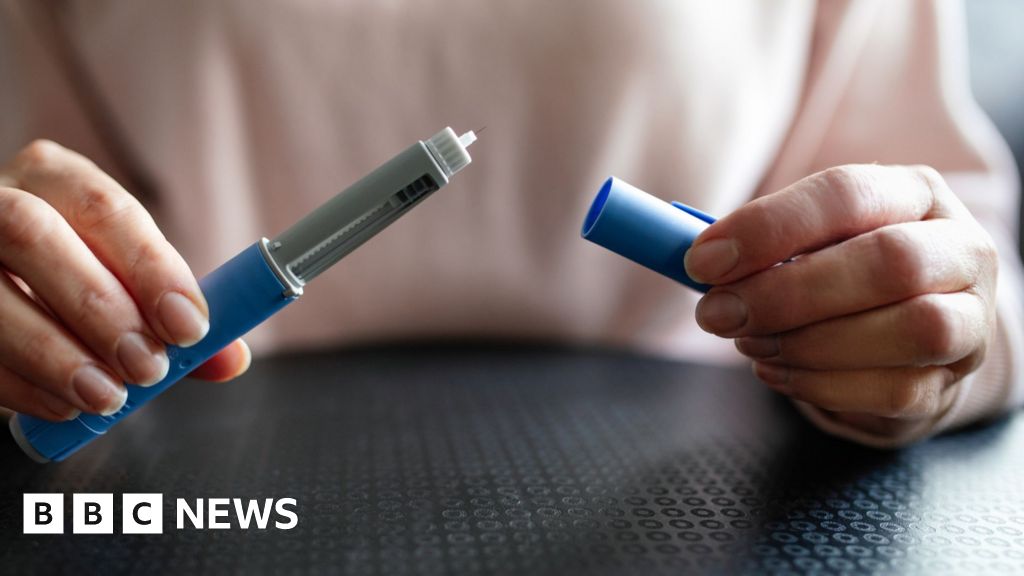
WHO warns of a severe global shortage of obesity drugs like Wegovy, limiting access for millions. It calls for fairer access to GLP-1 therapies, recognizing obe
WHO Warns of Critical Global Shortage in Obesity Medications
The World Health Organization (WHO) has issued a stark warning regarding a severe global shortage of effective obesity medications, specifically GLP-1 receptor agonists such as Wegovy. According to the WHO's inaugural guidance on these vital drugs, a staggering reality emerges: fewer than one in ten individuals who could significantly benefit from these "skinny jabs" are currently able to access them. With over a billion people worldwide now classified as obese—a figure projected to soar past two billion by 2030 without decisive intervention—the WHO is urgently advocating for broader and more equitable access to these crucial treatments.
Barriers to Access and WHO's Strategic Response
Several significant challenges impede the widespread availability of these life-changing medications. High costs, constrained production capacities, and complex supply-chain issues are identified as major impediments to universal access. Despite these formidable obstacles, the WHO has underscored the profound importance of GLP-1 therapies by including them on its "essential" medicines list, thereby urging member states to prioritize and ensure their provision.
Dr. Tedros Adhanom Ghebreyesus, WHO Director-General, articulated the organization's evolving perspective: "Our new guidance recognises that obesity is a chronic disease that can be treated with comprehensive and lifelong care." He further noted that while medication alone isn't a silver bullet for this escalating global health crisis, GLP-1 therapies possess the immense potential to assist millions in effectively managing obesity and significantly mitigating its associated health risks.
Transforming the Understanding of Obesity
The WHO views these innovative drugs as pivotal in reshaping society's fundamental understanding of obesity. This marks a crucial transition from perceiving it as merely a "lifestyle condition" to recognizing it as a complex, preventable, and treatable chronic disease. While designed for long-term use (typically six months or more), these injections must be prescribed in conjunction with professional guidance on diet and exercise. This integrated approach is critical to ensure sustainable weight management and prevent relapse.
The pervasive concern for equitable access remains paramount, as Director-General Tedros emphatically highlighted. Even under the most optimistic production forecasts, GLP-1 therapies could only realistically reach approximately 100 million people—representing a mere 10% of the global population in need. To confront this glaring disparity, the WHO's comprehensive guidelines urge countries and pharmaceutical companies to actively implement strategies such as voluntary licensing. This innovative mechanism allows original drug manufacturers to grant permission for other companies to produce more affordable, non-branded versions of patented drugs. A significant development in this regard is the impending expiration of the patent for semaglutide, the active ingredient in Novo Nordisk's Wegovy, in several key markets including India, Canada, China, Brazil, and Turkey by 2026. This event is expected to pave the way for more accessible generic alternatives.
Beyond pharmacological interventions, the WHO simultaneously stresses the indispensable importance of fostering healthier societal environments. These environments are crucial for promoting overall well-being and actively preventing the onset and progression of obesity at a community and national level.
Mechanism of Action and Important Usage Considerations
GLP-1 drugs operate by mimicking a natural hormone found in the body. This action effectively slows digestion, significantly curbs appetite, and enhances feelings of fullness, ultimately leading to reduced food intake and subsequent weight loss. In countries like the UK, these injections are strictly prescription-only medicines, necessitating a thorough assessment by a qualified healthcare professional to ascertain clinical necessity. While some formulations are available through national health services such as the NHS, a considerable portion is procured privately.
The WHO vehemently advises against purchasing these medications from unregulated sources, including beauty salons or via social media platforms. Such channels pose significant safety risks and are often associated with a prevalent black market for these drugs. Patients typically begin to experience noticeable weight loss within just a few weeks of commencing the weekly injections. However, compelling research indicates that a significant portion of lost weight may unfortunately be regained within a year of discontinuing the medication, primarily as normal food cravings resurface. This highlights the chronic nature of obesity and the need for sustained management.
The Pervasive Global Impact of Obesity
Obesity constitutes a major global health challenge with far-reaching consequences. It demonstrably increases the risk of developing serious, life-threatening conditions such as type 2 diabetes, heart disease, stroke, and various forms of cancer. In 2024 alone, obesity was tragically linked to an estimated 3.7 million deaths worldwide. This alarming statistic underscores the profound urgency for comprehensive, multi-faceted interventions and, critically, equitable global access to effective treatment options to combat this escalating public health crisis.
By news
8 months ago