Trump Expresses Disapproval of Reported Second Strike on Alleged Drug Boat
Dec 1, 2025
 United States
Politics
United States
Politics
United States
Politics
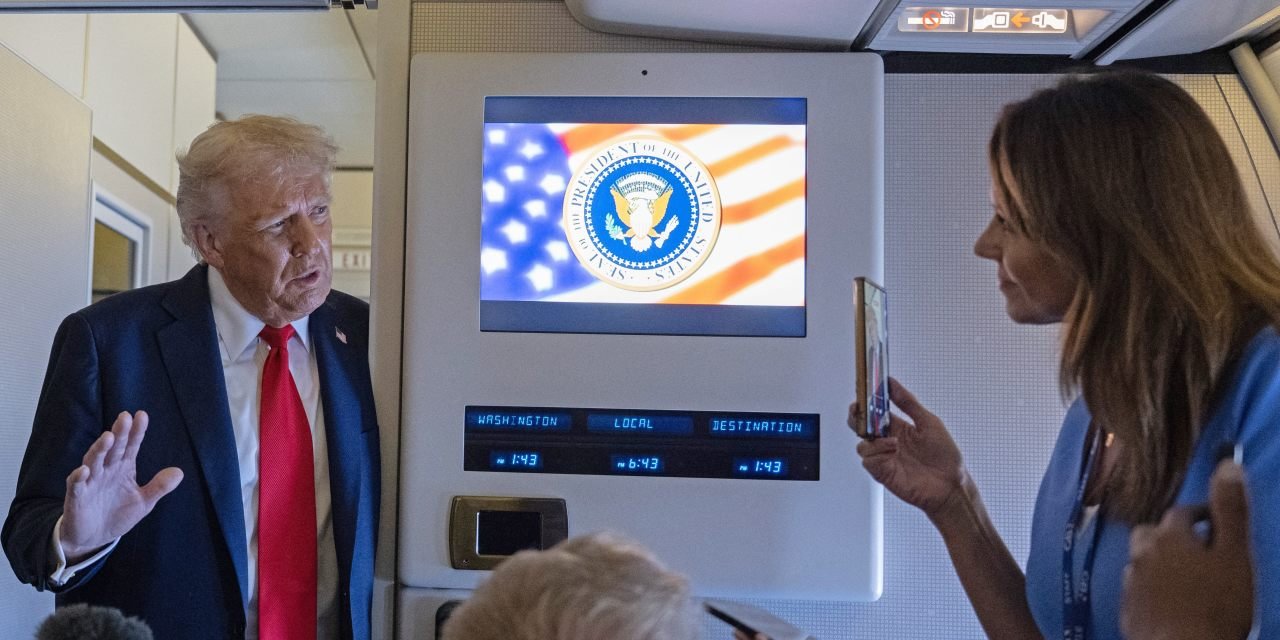
Donald Trump reportedly opposed a second strike on an alleged drug boat, raising questions about operational protocols and the chain of command in anti-narcotic
Trump Expresses Disapproval of Reported Second Strike on Alleged Drug Boat
Former President Donald Trump has reportedly voiced his disinclination towards a second strike on an alleged drug boat, a stance that could spark debate regarding operational command and anti-narcotics strategies. While the specifics of the incident and the initial engagement remain undisclosed in this context, Trump's comment, as reported by CBS News, highlights a potential divergence in opinion on military or law enforcement actions against suspected illicit operations.
Understanding the 'Second Strike' Implication
The idea of a "second strike" implies an initial confrontation or attempt to neutralize a target, which for various reasons, may have been deemed incomplete or unsuccessful. Such follow-up actions are typically considered when the initial engagement did not achieve its objective or when new intelligence necessitates further intervention. However, a decision against a second strike could stem from a variety of factors, including concerns over escalation, potential for collateral damage, a reassessment of threat levels, or even questions about the proportionality of force.
Implications for Policy and Command
Trump's reported statement could reflect a cautious approach to military engagement, perhaps prioritizing de-escalation or evaluating the cost-benefit of prolonged conflict in specific situations. It also brings into focus the delicate balance between aggressive enforcement against drug trafficking and the adherence to strict rules of engagement, particularly in international waters or areas of heightened sensitivity.
This development prompts scrutiny into the processes of executive oversight on operational decisions within the military and law enforcement agencies involved in combating international drug smuggling. It raises questions about who makes the final call in such sensitive situations and the extent to which political leaders should intervene in tactical operational planning. The incident, even with limited details, underscores the complex challenges inherent in interdicting drug operations while navigating geopolitical sensitivities and ethical considerations of force.
By news
8 months ago