Nigeria Appoints Ex-General Christopher Musa as New Defence Minister Amidst Worsening Security Crisis & Kidnappings
Dec 2, 2025
 Nigeria
Politics
Nigeria
Politics
Nigeria
Politics
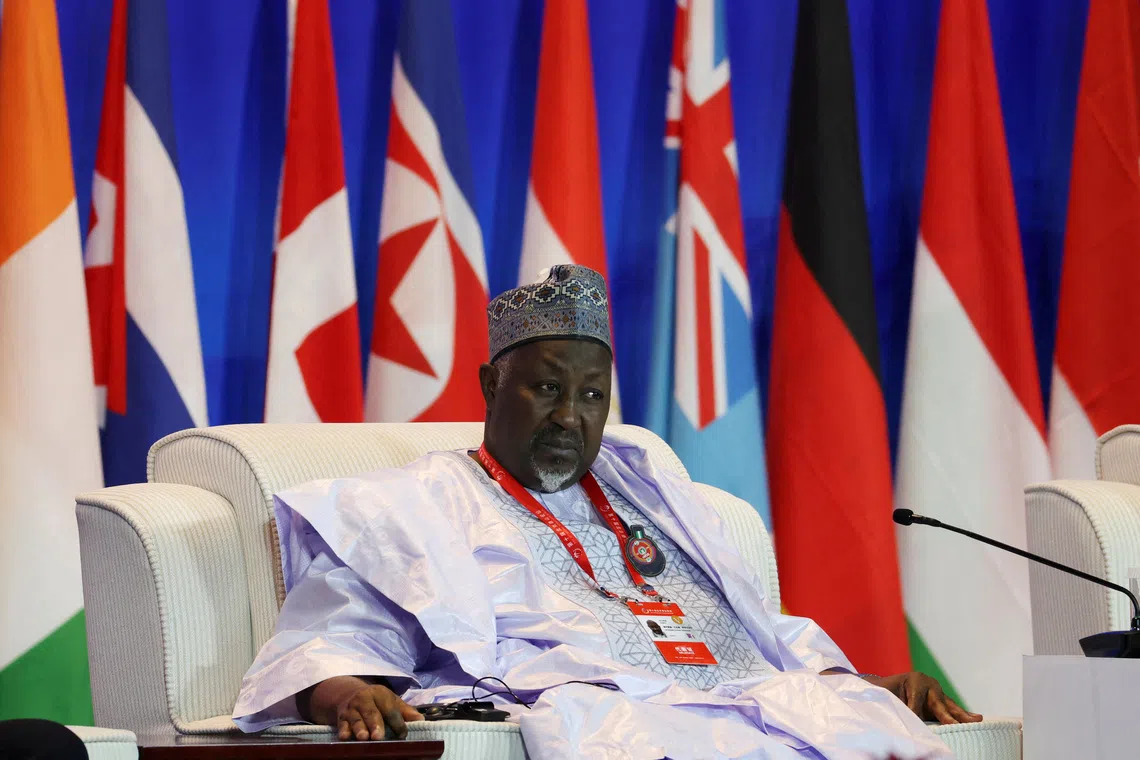
President Tinubu appoints ex-general Christopher Musa as Nigeria's Defence Minister amid a severe security emergency. The change follows a surge in kidnappings
Nigeria Appoints Ex-General Christopher Musa as Defence Minister Amidst Security Crisis
Nigeria's President Bola Tinubu has moved to overhaul the nation's security leadership, nominating former Chief of Defence Staff Christopher Musa as the new Minister of Defence. This pivotal appointment comes as Nigeria grapples with a declared security emergency, fueled by a relentless surge in mass kidnappings and escalating Islamist insurgencies, particularly in its northern regions.
A Veteran's Return to Key Leadership
General Musa, 58, brings a wealth of experience to the role, having previously served as Nigeria's top military officer from 2023 until October of the current year. He steps into the shoes of Mohammed Badaru Abubakar, a former regional governor whose resignation on Monday was attributed to health reasons. The presidential office confirmed that Tinubu communicated Musa's nomination to parliament, expressing full confidence in his capability to "lead the Ministry of Defence and further strengthen Nigeria’s security architecture," according to spokesperson Bayo Onanuga.
Escalating Security Emergency Prompts Action
The change in leadership is a direct response to a rapidly deteriorating security landscape. Just days prior to Musa's nomination, President Tinubu declared a national security emergency. The severity of the crisis is underscored by alarming statistics: over 200 schoolchildren abducted from a Catholic school on November 24 remain missing. The United Nations reports that a staggering 402 individuals have been kidnapped since mid-November alone, painting a grim picture of widespread insecurity.
Government's Multi-pronged Response
In an effort to stem the tide of violence, President Tinubu has initiated several crucial measures. These include a directive for the recruitment of 50,000 new police officers, an increase in army enlistment, and the immediate redeployment of police personnel assigned to VIP protection to frontline operational duties. Furthermore, forest guards have been mobilized to actively pursue and dislodge armed gangs from their hideouts.
Regional Instability and Expert Insights
Security expert Cheta Nwanze, a partner at SBM Intelligence consultancy, highlighted the regional dimensions of Nigeria's challenges. He noted that instability within the broader Sahel region is increasingly spilling over into Nigeria, exacerbating internal issues. Nwanze emphasized that the solution requires more than just personnel changes. "The implication is not just a change in personnel, but a glaring reminder of the need for a fundamentally new, community-trusted approach to security that addresses both internal governance and regional threats," he asserted.
International Scrutiny and US Concerns
Internationally, Nigeria's security situation has attracted the attention of the United States. Last month, U.S. President Donald Trump reportedly threatened military action, citing concerns over the treatment of Christians in the country. Nigerian authorities, however, contend that claims of Christian persecution misrepresent a complex reality and fail to acknowledge governmental efforts to protect religious freedom. A senior U.S. State Department official indicated on November 20 that Washington is considering various actions, including sanctions and intensified engagement on counterterrorism strategies.
This comprehensive approach by the Tinubu administration seeks to not only stabilize the immediate crisis but also lay the groundwork for a more robust and regionally aware security framework to tackle Nigeria's multifaceted challenges.
By news
8 months ago
No cameras found for this country.