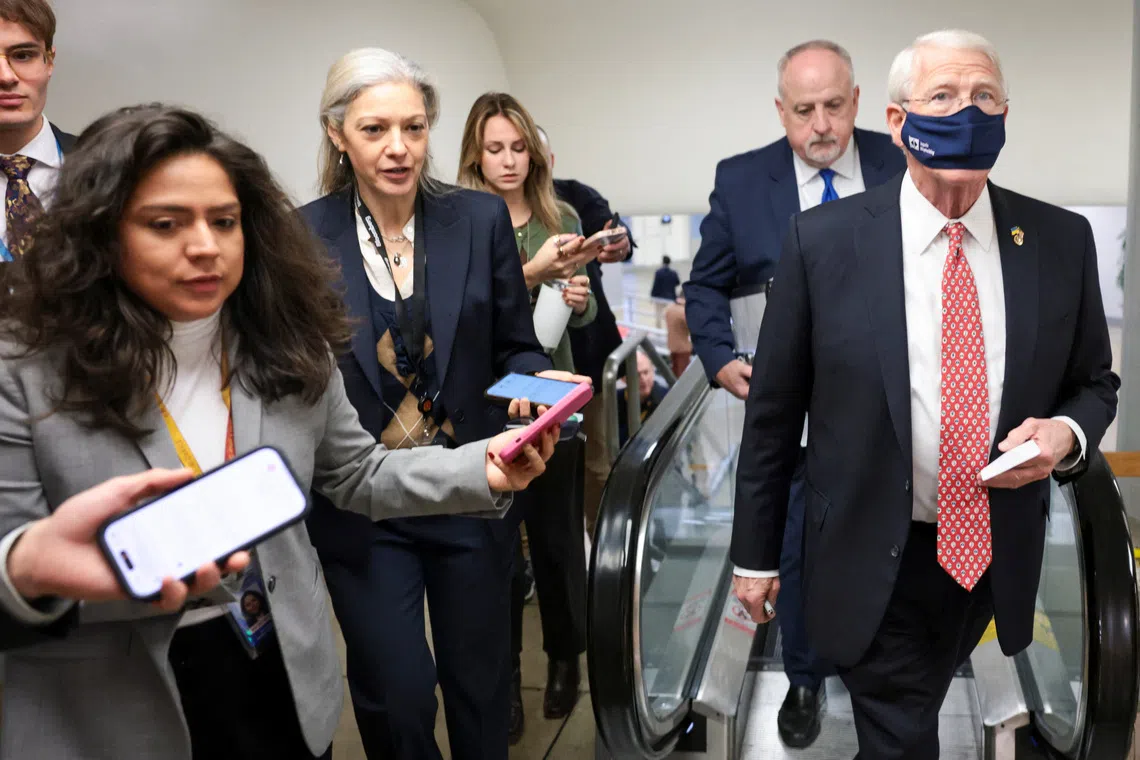
A bipartisan coalition of U.S. senators is poised to challenge President Donald Trump's ongoing military posture towards Venezuela, pledging to initiate a War Powers Resolution should his administration greenlight further strikes within the South American nation. This bold move comes amidst escalating congressional unease regarding the legality and wisdom of unauthorized military interventions and potential breaches of international law.
On Tuesday, December 2, 2025, Senators Tim Kaine (D-VA), Chuck Schumer (D-NY), Adam Schiff (D-CA), and Republican Rand Paul (R-KY) issued a unified statement. They vehemently denounced any unapproved military action against Venezuela as a "colossal and costly mistake," warning of needless risks to American servicemembers. The senators committed to forcing a robust congressional debate and vote, aiming to block the deployment of U.S. forces in hostilities against or within Venezuela if such strikes occur.
Previous Attempts to Curb Presidential Power
This latest effort follows a series of prior attempts by lawmakers to curtail Trump's actions, which have largely been stymied. Previously, Senate Republicans had successfully blocked resolutions in November and October that sought to prevent attacks on Venezuelan territory and halt the existing boat strikes in the region.
Adding to the pressure, congressional committees, including those under Republican leadership, have launched investigations into the U.S. military campaign operating off Venezuela's coast. This scrutiny is not an isolated incident; Republican lawmakers recently voiced strong criticism over the White House's handling of a proposed Ukraine peace plan, which they argued disproportionately favored Russia.
Concerns Over Alleged Second Strike on Survivors
A central point of contention in the Venezuela situation revolves around a report alleging that Secretary of Defense Pete Hegseth, on September 2, ordered a controversial second strike on a boat to target survivors of an initial attack. Senator Mike Rounds (R-SD), a prominent member of both the Armed Services and Intelligence committees, openly expressed his deep concern. "My understanding is that we may have a problem if you're killing survivors in the water after a strike," Rounds stated, emphasizing the critical need to establish all facts before conclusions can be drawn.
Escalating Military Actions and White House Defense
In the preceding three months, U.S. forces have executed at least 21 strikes against suspected drug boats traversing the Caribbean and Pacific. These operations have reportedly resulted in the deaths of at least 83 individuals, signaling an intensification of military pressure against the government of Venezuelan President Nicolas Maduro.
White House spokeswoman Karoline Leavitt, speaking on Monday, confirmed that Secretary Hegseth had indeed authorized Admiral Frank Bradley to conduct the strikes on September 2. She maintained that these operations were conducted within international waters, were designed to safeguard U.S. interests, and fully complied with the law of armed conflict.
Upholding Constitutional Authority
Lawmakers continue to underscore the constitutional principle that the power to declare war resides solely with Congress, not the President. Their persistent efforts aim to assert congressional oversight and secure explicit authorization for military engagements, particularly concerning the escalating situation with Venezuela.