Dell's Historic $6.25B Gift Boosts 'Trump Accounts' for 25 Million American Children, Fostering Future Prosperity
Dec 3, 2025
 United States
Philanthropy
United States
Philanthropy
United States
Philanthropy
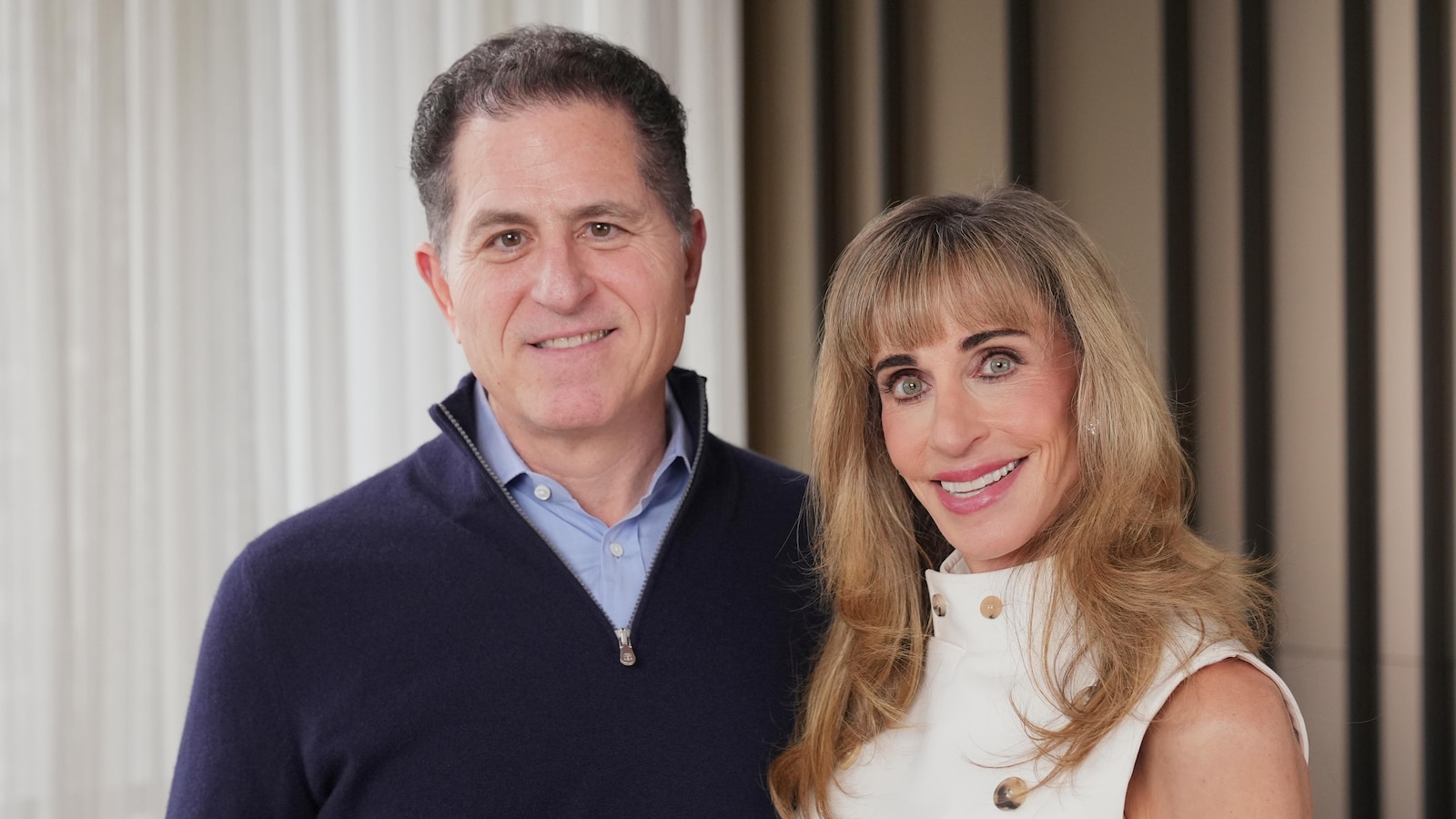
Michael and Susan Dell pledge $6.25 billion to incentivize 25 million U.S. children under 10 to claim new 'Trump Accounts,' fostering long-term investment. Laun
Dell Family Pledges $6.25 Billion to Ignite Child Investment Through 'Trump Accounts'
Billionaires Michael and Susan Dell have made an unprecedented philanthropic commitment, pledging a monumental $6.25 billion. This historic donation aims to encourage up to 25 million American children under the age of ten to claim and utilize new investment accounts, dubbed "Trump Accounts," established through recent presidential tax and spending legislation. Announced on GivingTuesday, the Dells' gift is believed to be the largest single private contribution ever made to U.S. children.
Leveraging the 'Trump Accounts' Framework
The structure of this generous gift is innovative, leveraging the existing "Trump Accounts" framework. This government initiative, set to launch on July 4, 2026, the 250th anniversary of U.S. independence, involves the U.S. Department of the Treasury depositing $1,000 into investment accounts for American children born between January 1, 2025, and December 31, 2028. The Dells' contribution will augment this by providing an additional $250 to each qualified child under ten residing in specific lower-to-middle-income ZIP codes (median family income of $150,000 or less) who are not already receiving the Treasury's initial $1,000 seed money.
A Vision for Hope and Opportunity
Michael Dell, founder and CEO of Dell Technologies, emphasized the long-term vision behind their commitment. "We believe that if every child can see a future worth saving for, this program will build something far greater than an account. It will build hope and opportunity and prosperity for generations to come," he stated. Susan Dell echoed this sentiment, highlighting a collective national effort: "We want these kids to know that not only do their families care, but their communities care, their government, their country cares about them."
How the 'Trump Accounts' Work
Under the new law, "Trump Accounts" are accessible to any American child under 18 with a Social Security number. Families can contribute to these accounts, which must be invested in an index fund tracking the overall stock market. Upon reaching 18, beneficiaries can withdraw funds for education, home purchases, or starting a business. The Dells hope their substantial gift will motivate more families to open and regularly contribute, even small amounts, allowing these investments to compound over time alongside the broader U.S. economy.
Broader Support and Expert Perspectives
President Trump has lauded the Dells' commitment, with White House spokesperson Kush Desai calling the "Trump Accounts" a "revolutionary investment" by the federal government and a "call to action for American businesses and philanthropists." Venture capitalist Brad Gerstner, a proponent of the legislation and founder of Invest America Charitable Foundation, praised the platform's ability to facilitate significant giving to children in need, enabling them to benefit from economic growth.
Experts acknowledge the potential of these accounts. Ray Boshara, a senior policy advisor at the Aspen Institute and Washington University in St. Louis, views the "Trump Accounts" as a foundational "down payment on a big idea" that can evolve and improve over time, drawing parallels to programs like the ACA and Social Security. He is optimistic about the potential for multi-sector contributions from business, philanthropy, and government.
Addressing Poverty and Future Prosperity
While offering long-term financial benefits, the immediate impact on child poverty remains a complex issue. Data from the Annie E. Casey Foundation indicates that approximately 13% of U.S. children and young people lived in poverty in 2024, often linked to insufficient social supports for new parents. Critics point out that concurrent cuts to Medicaid, food stamps, and child care within the same spending package might counteract the immediate support for low-income families, even as these investment accounts aim for future prosperity. Nevertheless, the Dells' unprecedented commitment marks a significant moment in American philanthropy, focusing on equipping the next generation with financial opportunities.
By news
8 months ago