Tunisia Intensifies Opposition Crackdown: Prominent Activist Ayachi Hammami Jailed Amid Human Rights Concerns
Dec 3, 2025
 Tunisia
Politics
Tunisia
Politics
Tunisia
Politics
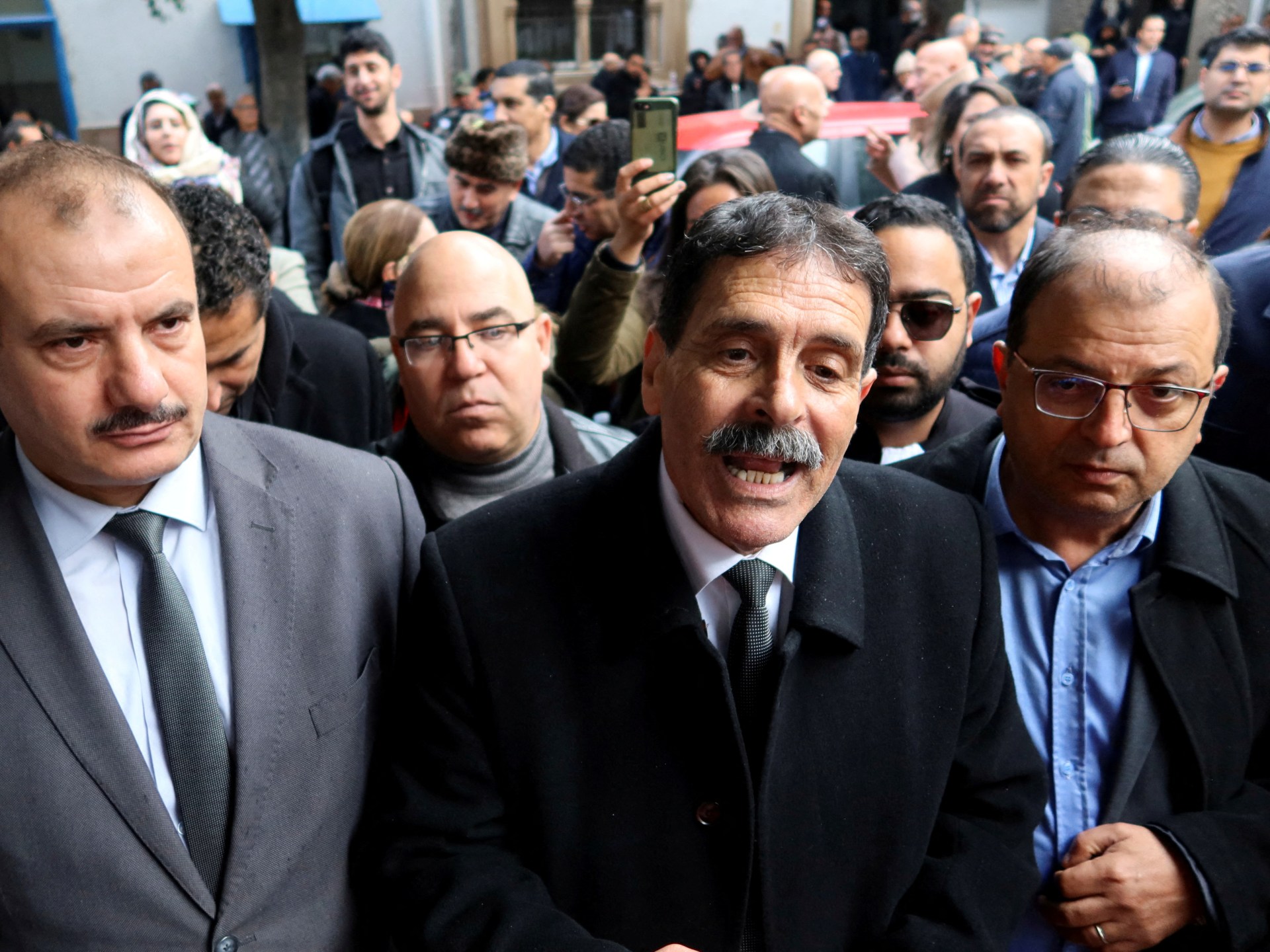
Tunisian activist Ayachi Hammami faces five years in prison, marking the latest arrest in a sweeping crackdown against President Saied's political opponents.
Tunisia's Crackdown Intensifies: Prominent Activist Ayachi Hammami Jailed
Tunisia's political landscape has been rocked by the recent arrest of prominent human rights activist and former minister, Ayachi Hammami, who now faces a five-year prison sentence. His detention, carried out at his home, signifies the intensifying crackdown on opposition figures under President Kais Saied's administration.
Sentences Upheld Amidst "Conspiracy" Charges
Hammami's arrest follows an appeals court's decision to uphold convictions against dozens of political opponents on charges of 'conspiracy against state security.' Last week, the court confirmed jail terms ranging from four to a staggering 45 years for a diverse group including opposition leaders, business figures, and lawyers, all accused of plotting to overthrow President Saied.
A Defiant Stance from Behind Bars
In a video released by his family on Facebook shortly after his arrest, Hammami, who served as human rights minister in 2020, declared, "If you are seeing this video, I have been arrested. I have spent years fighting for democracy, freedom, rights. I will turn my cell into a new front of struggle." He also announced his intention to begin a hunger strike, signaling a defiant stand against his incarceration.
Broader Scope of the Crackdown
This latest development mirrors the arrest of fellow opposition figure Chaima Issa, who was detained just last week at a protest in Tunis to enforce her 20-year prison sentence in connection with the same wide-ranging case. The prosecution has targeted approximately 40 individuals, including former high-ranking officials like ex-intelligence chief Kamel Guizani, with around 20 having fled abroad and sentenced in absentia.
Opposition Alleges Fabricated Charges and Authoritarianism
Opposition members staunchly maintain that the charges—which include attempting to destabilize the country and topple the government—are entirely fabricated. They contend these judicial measures are a deliberate attempt to stifle dissent and highlight the country's alarming slide into authoritarianism. Analysts describe this as one of the most significant political prosecutions in Tunisia's recent history.
Concerns Over Judicial Independence
President Saied has consistently denied interfering with the judiciary. However, his statements at the onset of the case in 2023, where he suggested that judges who acquitted the accused would be considered accomplices, have drawn significant criticism and raised concerns about judicial independence.
International Condemnation and Calls for Annulment
International human rights organizations have been quick to condemn the convictions. Both Human Rights Watch and Amnesty International have demanded the immediate annulment of the sentences, asserting their politically motivated nature. Sara Hashash, Amnesty's Deputy Middle East and North Africa Director, strongly criticized the Tunis Court of Appeal's decision on November 28, stating it was an "appalling indictment of the Tunisian justice system" and that the court "deliberately ignored the litany of fair trial violations."
Saied's Consolidation of Power
Since suspending parliament in July 2021—a move decried by opponents as a 'coup'—President Saied has progressively consolidated power, governing by decree. Many of these expanded powers were enshrined in a new constitution ratified in a largely boycotted 2022 referendum. Concurrently, a 'fake news' law passed the same year has been used to detain media figures, activists, and lawyers critical of Saied's rule. The crackdown shows no signs of abating, with numerous prominent politicians from across the political spectrum, including Jawhar Ben Mbarek, Issam Chebbi, Rached Ghannouchi, Ali Larayedh, and Abir Moussi, currently imprisoned.
By news
8 months ago
No cameras found for this country.