Trump Labels Affordability a 'Con Job' as His Economic Edge Wanes Amidst Shifting Public Opinion
Dec 3, 2025
 United States
Politics
United States
Politics
United States
Politics
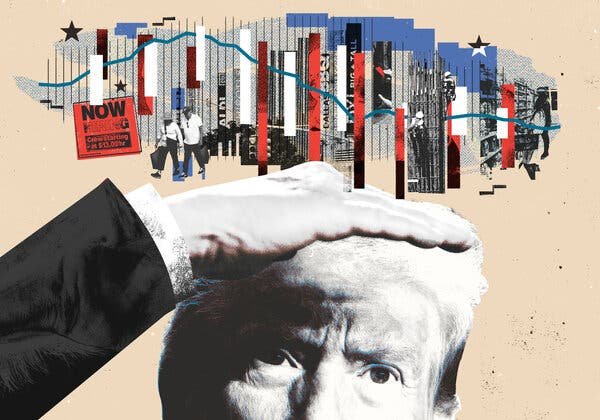
Donald Trump criticizes affordability as a 'con job' amidst reports his economic advantage among voters is decreasing. Public concern over cost of living impact
Trump Labels Affordability a "Con Job" Amidst Shifting Economic Perceptions
Donald Trump, a prominent figure in American politics, has recently labeled the current state of affordability as a "con job," escalating his criticism of existing economic policies. This strong rhetoric comes at a pivotal time as polls suggest his perceived advantage on economic issues among voters is beginning to wane.
The Erosion of an Economic Edge
For a long time, Trump has leveraged public discontent over the economy, particularly inflation and the cost of living, as a cornerstone of his political platform. His supporters often credit his previous administration with fostering robust economic growth and lower prices. However, recent data indicates a shift in voter sentiment. While concerns about inflation and the overall cost of goods and services remain high, the public's confidence in Trump's ability to uniquely address these challenges appears to be declining.
This erosion of his economic edge could be attributed to several factors. Voters are increasingly scrutinizing proposed solutions from all candidates. Furthermore, the complexities of the global economy mean that simple answers to issues like affordability are often elusive. The perception of a candidate's economic prowess can fluctuate significantly based on current events, media narratives, and the effectiveness of counter-arguments from political opponents.
Political Implications of the "Con Job" Claim
Trump's "con job" accusation is likely aimed at galvanizing his base and attacking the incumbent administration's economic record. By framing affordability as a deliberate deception, he seeks to highlight what he perceives as failures in current governance. However, the slipping polls suggest that voters might be looking beyond mere accusations and are seeking more concrete, actionable plans from political leaders.
Looking Ahead: The Economy as a Campaign Centerpiece
The upcoming election cycle will undoubtedly see the economy and affordability remain central themes. Candidates will need to articulate clear, persuasive strategies to tackle the rising costs that impact everyday Americans. For Trump, maintaining or regaining his once-dominant position on economic credibility will be crucial to his campaign's success. The challenge lies in converting voter anxieties into a distinct advantage, especially as his past economic record faces renewed scrutiny and his opponents present alternative visions.
The political landscape is dynamic, and the economic narratives crafted by candidates play a significant role in shaping public opinion. As the race progresses, how Trump's "con job" narrative resonates, and how his economic standing evolves, will be closely watched indicators of the broader political mood.
By news
8 months ago