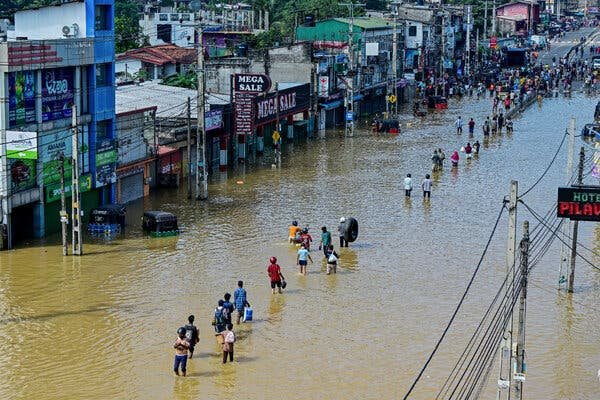
Asia Grapples with Widespread Devastating Floods
The Asian continent is grappling with widespread and devastating floods, severely impacting multiple nations including Indonesia, Sri Lanka, and Thailand. Recent torrential rains have led to an unprecedented surge in water levels, submerging vast areas, displacing thousands of residents, and causing significant damage to infrastructure and livelihoods.
Indonesia Faces Flash Floods and Landslides
In Indonesia, particularly on Sumatra and Borneo islands, relentless downpours have triggered flash floods and landslides. Numerous villages have been cut off, making rescue efforts challenging. The national disaster agency has reported thousands evacuated, with critical aid being mobilized to provide food, shelter, and medical assistance to those affected. Agricultural lands, which are the backbone of many local economies, have been inundated, raising concerns about future food security.
Sri Lanka Hit by Catastrophic Flooding and Mudslides
Sri Lanka has also borne the brunt of severe weather, experiencing its own share of catastrophic flooding and mudslides. Heavy monsoon rains have deluged the island nation, disrupting daily life and claiming lives. Emergency services are working tirelessly to evacuate people from high-risk zones, particularly in low-lying coastal areas and river basins. The government has appealed for international support to manage the crisis and assist in recovery operations.
Thailand's Central and Southern Regions Submerged
Meanwhile, Thailand's central and southern regions are battling extensive flooding, with major rivers overflowing their banks. Urban centers and rural communities alike have been submerged, paralyzing transportation networks and essential services. Authorities are monitoring dam levels closely and issuing evacuation orders as floodwaters continue to rise in some areas. The long-term economic repercussions for agriculture and tourism, key sectors in Thailand, are expected to be substantial.
Climate Change Exacerbates Vulnerability
The current situation highlights the increasing vulnerability of Asian countries to extreme weather events, often exacerbated by climate change. Humanitarian organizations are on the ground, providing crucial support, but the scale of the disaster necessitates a concerted regional and international response. Recovery efforts are expected to be protracted, requiring immense resources to rebuild homes, infrastructure, and shattered lives. The full extent of the damage is still being assessed as rescue operations continue across the affected regions.