
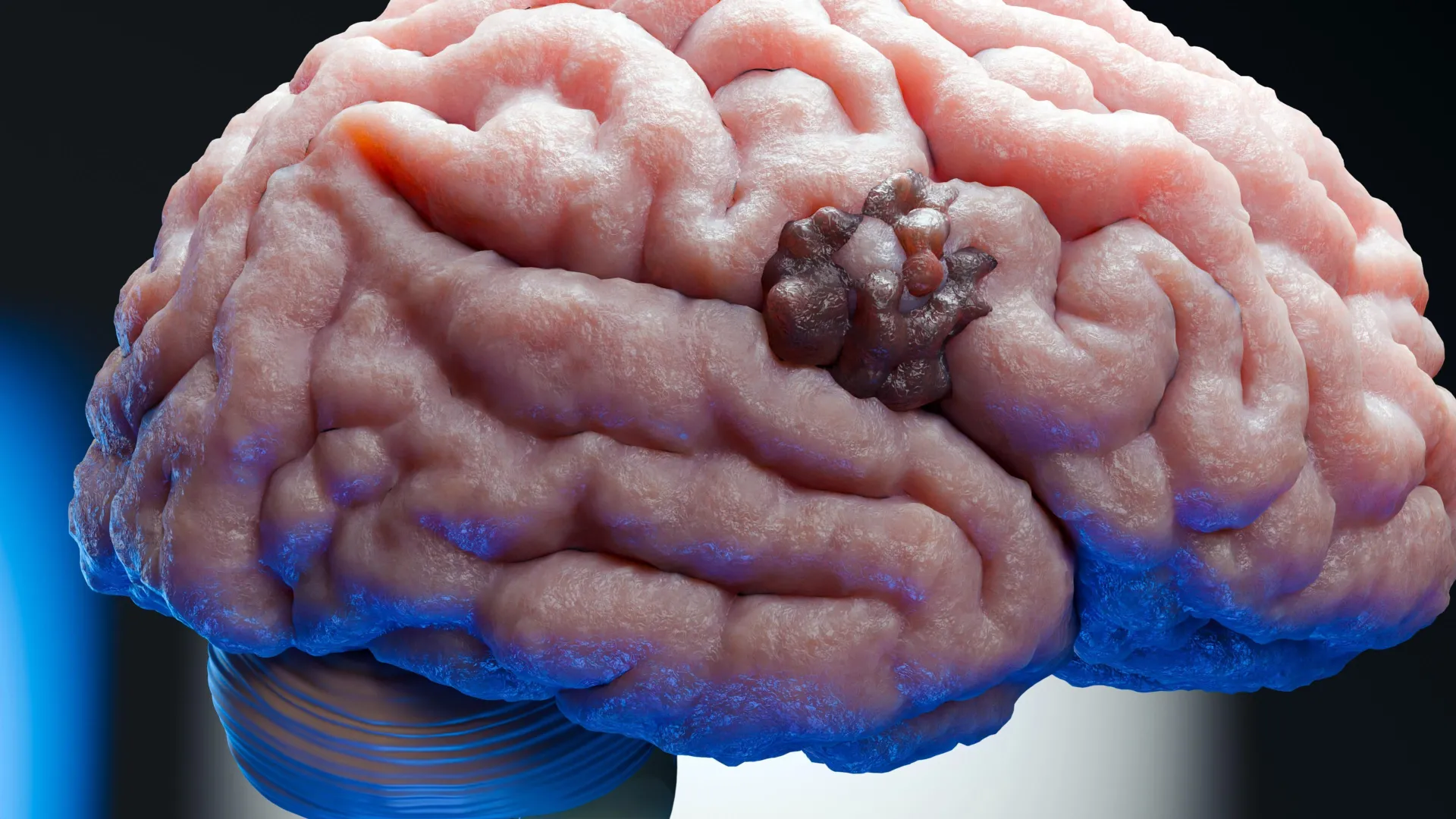
Ancient Pregnancy Drug Unlocks New Vulnerability in Brain Cancer
A significant breakthrough in cancer research has emerged from the University of Pennsylvania, shedding new light on potential treatments for brain tumors. Scientists have uncovered that a pharmaceutical agent, initially developed seven decades ago for pregnancy-related applications, possesses a remarkable ability to target and reveal a critical, previously unknown weakness within aggressive brain cancer cells.
This surprising discovery could redefine therapeutic approaches for one of the most challenging forms of cancer. The identification of an existing drug with such a potent effect offers a faster pathway to clinical application compared to developing entirely new compounds. It underscores the immense value in revisiting and repurposing older medications for modern medical challenges.
The research, highlighted by ScienceDaily, not only provides a renewed sense of hope for patients grappling with brain cancer but also encourages further exploration into the hidden capabilities of pharmaceuticals already approved for human use. This development paves the way for advanced studies into how this repurposed drug can be integrated into current oncology protocols, potentially leading to more effective and targeted brain cancer therapies.