Trump Claims to Void Biden's Autopen Pardons: Legal Experts Weigh In on Presidential Authority & Clemency
Dec 3, 2025
 United States
Politics
United States
Politics
United States
Politics
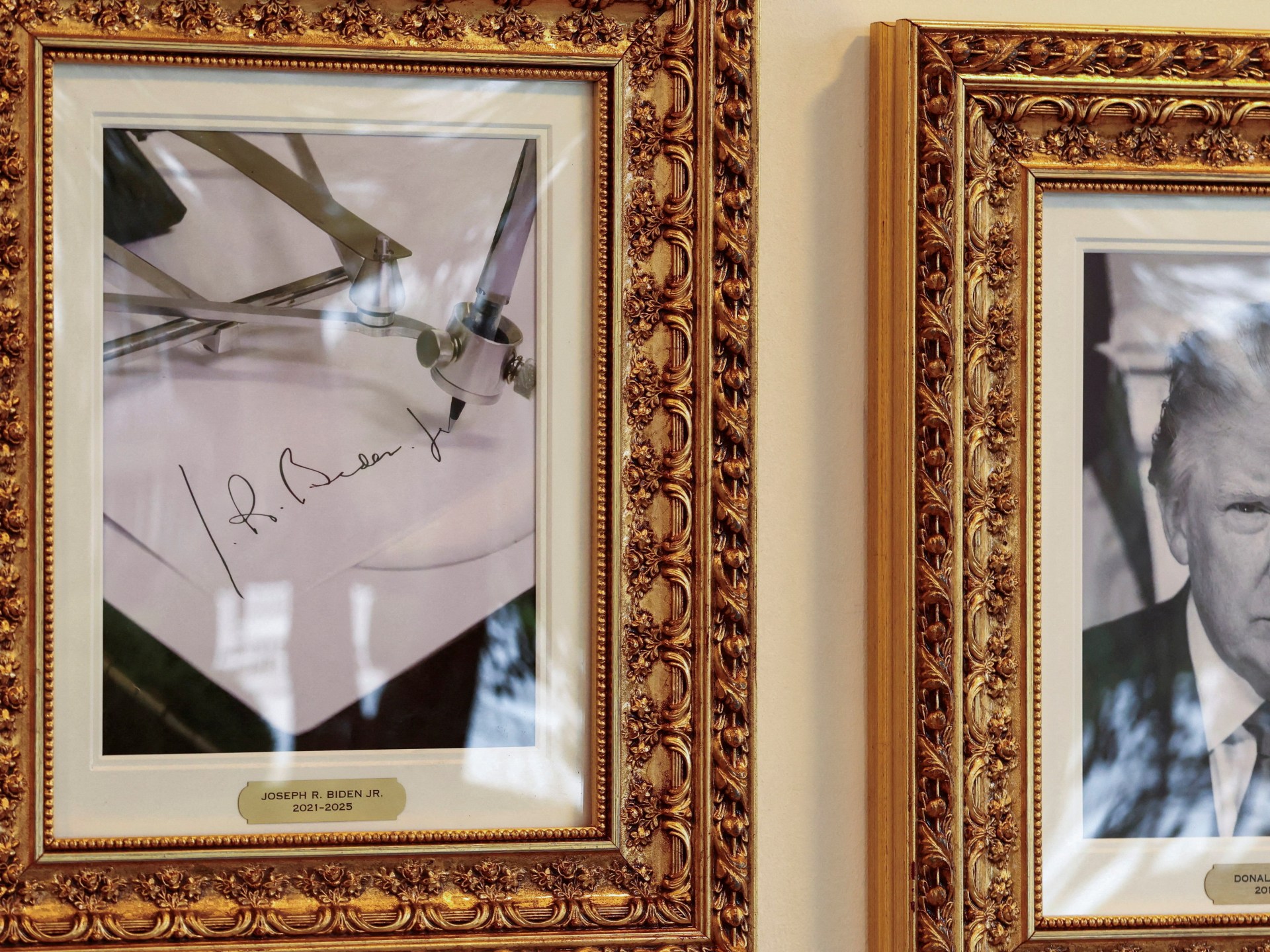
Donald Trump asserts he has voided all pardons signed by Joe Biden via autopen, but legal experts confirm these declarations hold no legal effect. The US Consti
Trump Declares Biden's Autopen Pardons Null; Legal Scholars Disagree on Authority
Former President Donald Trump has stirred controversy by announcing his intention to invalidate all pardons and commutations issued by his predecessor, Joe Biden, if they were signed using an autopen. In a recent statement posted on his social media platform, Truth Social, Trump asserted that any official documents, including pardons, signed by order of the "infamous and unauthorised 'AUTOPEN'" during the Biden administration are now "null, void, and of no further force or effect." He explicitly warned recipients of such clemency that their documents have been "fully and completely terminated."
This bold declaration, however, faces significant legal hurdles. Constitutional law experts universally agree that a sitting president lacks the authority to unilaterally revoke pardons or commutations granted by a previous administration. Bernadette Miller, a constitutional law specialist at Stanford University, emphasized to Al Jazeera that Trump's statement "has no legal effect." She clarified that laws and pardons signed by Biden, even via autopen, remain valid. The only exception, Miller noted, would be an executive order that can be rescinded by a subsequent president, but not pardons.
Echoing this sentiment, fact-checking organization PolitiFact highlighted an 1869 judicial ruling affirming the finality of a pardon once delivered, underscoring that there is "no constitutional mechanism for overturning pardons." Furthermore, the US Constitution itself does not stipulate that a president's signature must be handwritten for a document to be legally binding, a point also confirmed by PolitiFact.
Biden's Use of Clemency and the Autopen
Trump has frequently criticized Biden's use of the autopen, suggesting it indicated the former president's physical and mental decline. During his four years in office, Biden issued a substantial 4,245 acts of clemency, a figure unprecedented for any US president since the early 20th century, according to the Pew Research Center. While only 80 of these were individual pardons, a relatively low number, Biden gained prominence for his "pardons by proclamation," which extended clemency to broader categories of individuals.
These proclamations notably included former military personnel convicted under a repealed ban on gay sex, and individuals with specific federal marijuana convictions. However, the exact number and identity of pardons or commutations signed specifically with an autopen remain undefined.
Who Could Be Affected?
Trump has previously targeted specific pardons, particularly those he claimed Biden issued "preemptively" to US legislators involved in investigating the January 6, 2021, attack on the US Capitol. Trump views these Republican investigators, such as former Representatives Liz Cheney and Adam Kinzinger, as disloyal. In a March Truth Social post, he similarly declared these pardons "VOID, VACANT, AND OF NO FURTHER FORCE OR EFFECT" due to autopen use. However, given legal expert consensus, these claims also hold no legal standing.
A History of Mechanical Signatures
Despite Trump's criticisms, Biden is far from the first US president to utilize a mechanical signing device. PolitiFact reports that such tools have a long history in the Oval Office. Thomas Jefferson, the third US president, employed a "polygraph," a device that duplicated handwritten text. Later, in the early 1960s, John F. Kennedy used a more advanced autopen. More recently, Barack Obama also resorted to autopens on certain occasions. Legal opinions from 1929 and 2005 further confirm that presidents are not constitutionally required to sign documents by hand.
In conclusion, while former President Trump's public statements aim to invalidate a significant number of actions taken by his predecessor, legal precedent and constitutional interpretation firmly indicate that his declarations concerning Biden's autopen-signed pardons carry no legal weight. The pardons and commutations granted by Joe Biden remain valid, regardless of the method used for their signature.
By news
8 months ago