Myanmar Opium Cultivation Soars to 10-Year High Amid Conflict, Fueling Global Heroin Trade
Dec 3, 2025
 Myanmar
Drug Trafficking
Myanmar
Drug Trafficking
Myanmar
Drug Trafficking
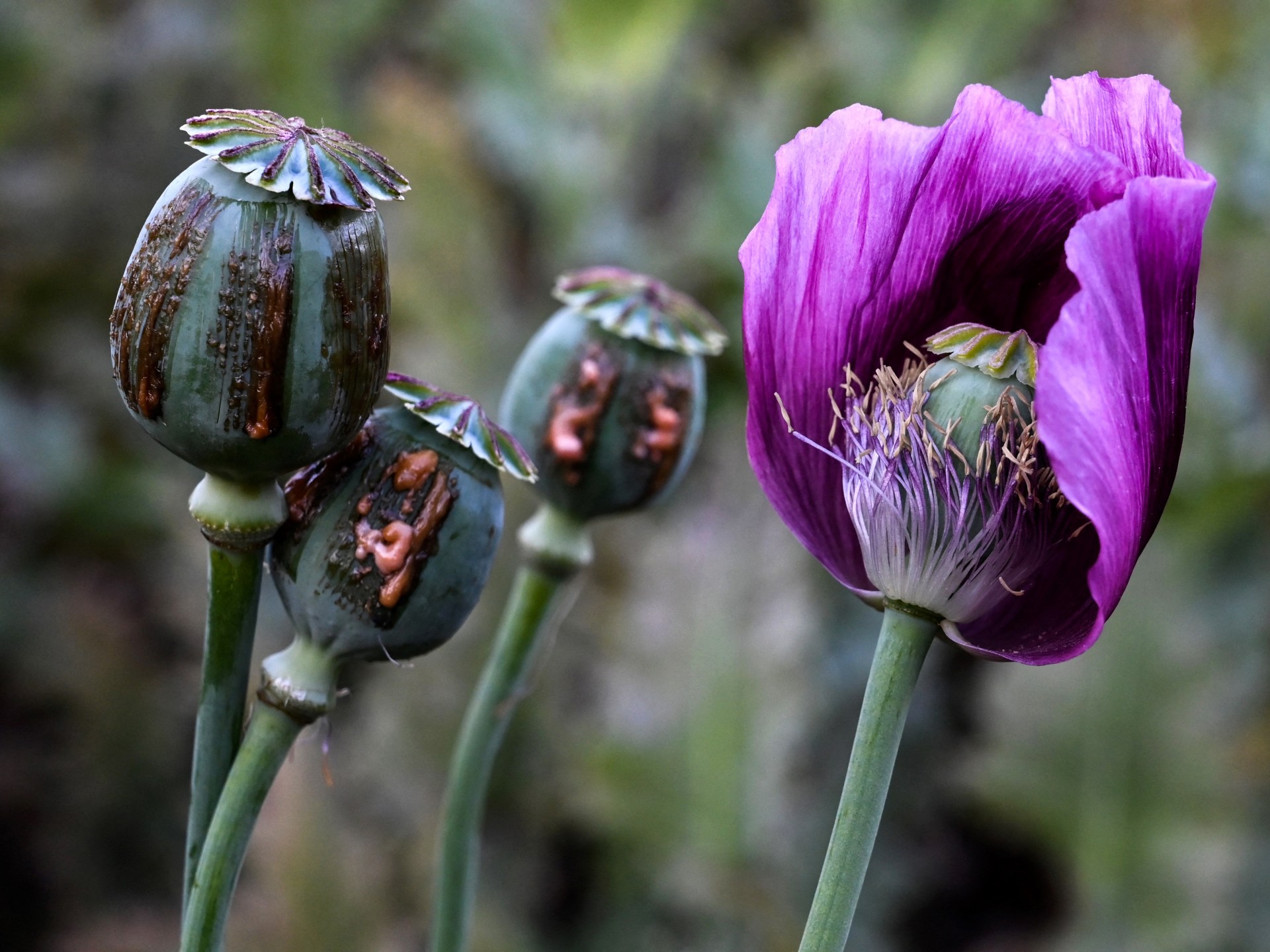
Opium poppy cultivation in Myanmar reached a 10-year high, surging 17% to 53,100 hectares. Driven by conflict and rising prices, Myanmar is now the world's prim
Myanmar Opium Cultivation Soars to 10-Year High Amid Conflict, Fueling Global Heroin Trade
Myanmar's illicit opium poppy cultivation has surged to a decade-high, significantly driven by the nation's escalating internal conflicts and a substantial increase in opium prices. The latest report from the United Nations Office on Drugs and Crime (UNODC) reveals a striking 17 percent increase in poppy-growing areas. Cultivation has expanded from 45,200 hectares (approximately 111,700 acres) to 53,100 hectares (about 131,200 acres) across all cultivation regions within the war-torn country.
Myanmar: World's Leading Opium Source
This dramatic expansion solidifies Myanmar's position as the world's primary source of illicit opium, particularly as cultivation in Afghanistan continues its decline. Delphine Schantz, UNODC’s representative for Southeast Asia and the Pacific, underscored that this "major expansion" signals a significant re-establishment of the opium economy, with potential for further growth.
Conflict, Insecurity, and Economic Desperation Fuel the Surge
The UNODC's 2025 Myanmar Opium Survey points to several critical contributing factors. The intensifying conflict and pervasive insecurity throughout Myanmar create formidable challenges for farmers, making it difficult to sustain alternative crops or even maintain high opium yields per hectare, despite the overall increase in cultivated land. Farmers, struggling for basic survival amidst the turmoil, are increasingly resorting to poppy cultivation as a vital and often sole income source.
Opium Prices Double, Luring Vulnerable Communities
Economic incentives play a crucial role in this trend. The price of opium has more than doubled since 2019, surging from $145 per kilogram to $329 per kilogram today. This financial lure, coupled with the urgent need for survival, compels vulnerable communities into the illicit trade.
Heroin Supply Shifts to Southeast Asia
Furthermore, the report notes "emerging signs" of Myanmar-origin heroin filling gaps in international markets previously supplied by Afghanistan. For example, the European Union’s Drugs Agency (EUDA) reported seizures of approximately 60 kilograms (132 lbs) of heroin, believed to be manufactured in or around Myanmar, from commercial airline passengers traveling to the EU from Thailand in 2024 and early 2025. This indicates a concerning shift in global illicit drug supply chains.
Urgent Action Needed
Schantz emphasized the grave implications of this surge for Myanmar's future and for regional and global drug markets, stressing the urgent need for concerted action. The country's internal dynamics are now profoundly influencing international illicit drug trade routes, demanding a comprehensive response that addresses both the humanitarian crisis and the burgeoning drug economy.
By news
8 months ago
No cameras found for this country.