High-stakes diplomatic discussions between the United States and Russia in Moscow recently concluded without a breakthrough on a peace plan for Ukraine. The five-hour talks were overshadowed by a stark warning from Russian President Vladimir Putin to Europe: Moscow stands "ready" for war if the continent seeks conflict.
Failed Diplomatic Push in Moscow
US special envoy Steve Witkoff, joined by Donald Trump's son-in-law Jared Kushner, traveled to the Russian capital for meetings with President Putin and his senior aides. Their primary objective was to advance a draft peace proposal aimed at resolving the nearly four-year conflict in Ukraine.
Following the extensive discussions, Russian presidential aide Yuri Ushakov characterized the meeting as "very useful, constructive, and highly informative." He acknowledged that while some points found agreement, others encountered "critical, even negative" reception from President Putin. Ushakov emphasized that further work is required, and both parties agreed to maintain confidentiality regarding the specific details discussed.
Ambiguity Surrounds Peace Proposals
The precise nature of the peace plan under discussion remains somewhat unclear. An initial 28-point plan, reportedly devised in secret by the US and Russia, had previously been presented to Ukraine. However, Kyiv and its European allies swiftly amended this framework, streamlining it into 19 distinct proposals. Ukrainian officials subsequently traveled to Florida for additional deliberations on these revised proposals.
A significant divergence persists between Russia and Ukraine concerning the fundamental elements of any prospective peace agreement. Moscow continues to demand that Kyiv cede partially occupied eastern Ukrainian territories, while ongoing disagreements revolve around the provision of Western-backed security guarantees for Ukraine. Ushakov confirmed that a 27-point plan was a subject of discussion, with additional documents received from the US side, though he did not elaborate on their contents.
Putin's Direct Warning to Europe
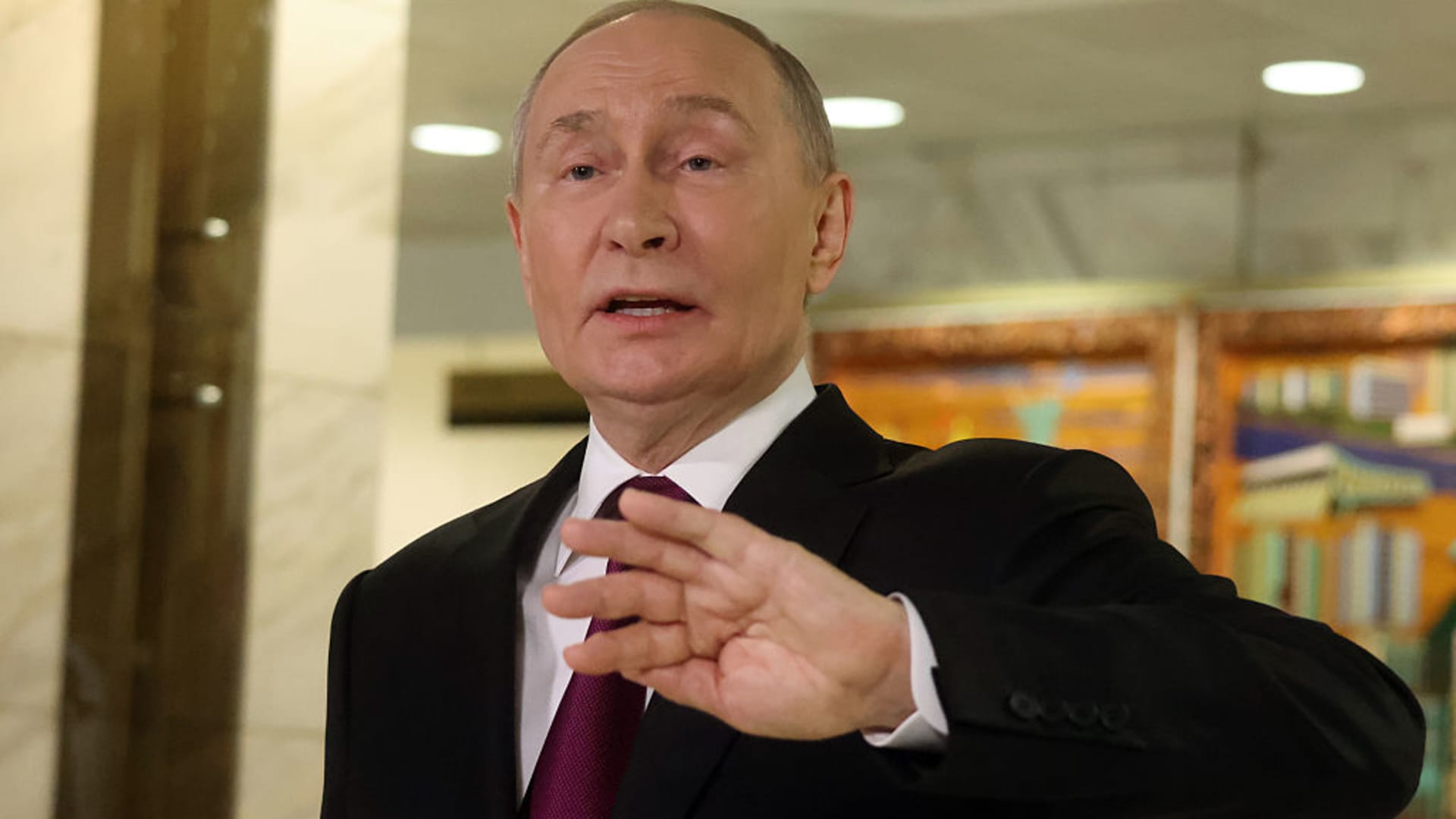
Prior to the Moscow talks, President Putin delivered a forceful verbal broadside against Europe, dismissing its counter-peace proposals as "absolutely unacceptable" and asserting that European leadership lacked a "peace agenda." He reiterated his stance, stating, "We're not going to war with Europe; I've said that a hundred times. But if Europe suddenly wants to fight us and starts, we're ready right now."
European officials have expressed considerable consternation in recent weeks over their perceived exclusion from the initial US-Russia discussions, which produced a draft plan widely seen as heavily favoring Russia. EU foreign policy chief Kaja Kallas highlighted the pivotal nature of the week for diplomacy, declaring, "It is clear that Russia does not want peace, and therefore we need to make Ukraine as strong as possible." Europe closely observed the Moscow talks, wary that former President Trump might endorse Russia's proposals in an effort to expedite the conflict's end.
Despite the diplomatic stalemate and overt Russian threats, Ukrainian President Volodymyr Zelenskyy adopted an optimistic tone. He informed Irish lawmakers that Ukraine was "closer to peace than ever before" and that a "real, real chance" for an agreement had emerged following talks with Washington.
Kremlin's Strategic Delaying Tactics?
Geopolitical analysts hypothesize that the Kremlin may be strategically prolonging the peace process. Michael Froman, President of the Council on Foreign Relations, suggested it is in Putin's "interest just to keep the process going, to have a long process of diplomatic engagement." Froman theorizes that Putin aims for broader discussions concerning Russia's reintegration with the West and commercial agreements with the United States, all while persistently targeting Ukraine's energy infrastructure and achieving incremental territorial gains on the battlefield.
Amos Hochstein, managing partner at TWG Global and former senior advisor in the Biden administration, concurred with this assessment, indicating that Russia is not in a hurry for a deal. He underscored the immense difficulty for Ukrainians to accept substantial territorial concessions in return for what could be "loose and flimsy" security guarantees, especially given the sacrifices they have endured. Hochstein concluded that the Russians are not pressured for an immediate resolution, preferring instead to leverage their war economy and strong battlefield position.