US Defense Secretary Pete Hegseth Faces Scrutiny Over Caribbean Strike & Delayed Survivor Info Amid War Crimes Inquiry
Dec 3, 2025
 United States
Military & Politics
United States
Military & Politics
United States
Military & Politics
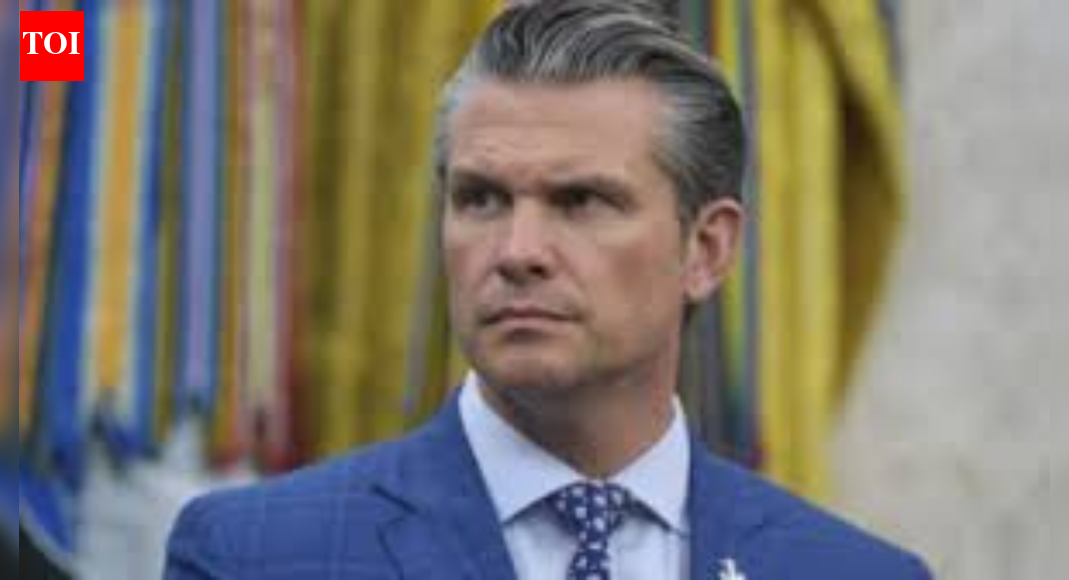
US Defense Secretary Pete Hegseth faces inquiry over a Caribbean strike where he learned of survivors hours later. Lawmakers question a second strike targeting
Hegseth Under Fire: Delayed Survivor Information and War Crimes Inquiry After Caribbean Strike
The Pentagon is currently under intense congressional investigation after US Defense Secretary Pete Hegseth admitted to a significant delay in being informed about survivors from a September military strike he authorized and observed live. Hegseth stated that "a couple of hours" passed before he learned of individuals still alive. This revelation, initially brought to light by The Washington Post and later elaborated upon by Hegseth during a Cabinet Room appearance with President Donald Trump, has ignited serious concerns among lawmakers and legal experts regarding potential war-crime violations.
"Fog of War" Defense & Disputed Second Strike
Hegseth defended the delayed information by citing the "fog of war," claiming he "did not personally see survivors" as the target "was on fire and exploded." Both Hegseth and Trump have vehemently denied any prior knowledge of a second, follow-up strike, which was reportedly launched to eliminate two survivors clinging to debris. They have firmly placed the operational responsibility for the September 2 mission squarely on Admiral Frank Bradley. President Trump explicitly distanced himself, stating, "I didn’t know about the second strike. I didn’t know anything about people."
Allegations of Deliberate Targeting & Refusal to Release Orders
Contradicting official denials, The Washington Post reported that Hegseth had previously issued a verbal order before the initial missile strike, emphasizing that no crew members should survive. The paper further alleged that Admiral Bradley subsequently ordered the follow-up strike after spotting two individuals alive amidst the wreckage. While the administration officially states 11 lives were lost in total, Hegseth has dismissed The Washington Post's account as "fabricated." However, he acknowledged authorizing early strikes in the administration’s broader campaign against alleged narcotics smugglers.
The Pentagon's steadfast refusal to release the written orders pertaining to this controversial mission has significantly exacerbated concerns. Former military lawyers have issued stern warnings, clarifying that targeting unarmed survivors constitutes a grave violation of the laws of war, irrespective of the operational context.
Bipartisan Inquiry and Future Operations
In response to these mounting concerns, two Republican-led congressional committees have promptly initiated bipartisan inquiries. Senate Armed Services Committee Chairman Roger Wicker has specifically requested comprehensive video, audio, and all written orders related to the contentious attack. Despite widespread criticism from lawmakers regarding the administration's perceived lack of transparency, Hegseth has indicated that similar military operations are slated to continue.
White House press secretary Karoline Leavitt has defended the administration's stance, asserting that Hegseth had delegated authority to Admiral Bradley for the strikes and that the admiral acted "within his authority and the law." Interestingly, following the controversy, military planners have reportedly begun placing increased emphasis on survivor rescue in subsequent missions, suggesting a potential shift in operational protocols.
By news
8 months ago