US Private Payrolls Unexpectedly Drop by 32,000 in November, Driven by Small Business Job Cuts, ADP Reports
Dec 3, 2025
 United States
Economy
United States
Economy
United States
Economy
US private payrolls unexpectedly fell by 32,000 in November, led by steep small business job cuts, ADP reports. This impacts Federal Reserve interest rate decis
US Private Sector Sees Unexpected Job Cuts in November, Small Businesses Hit Hardest
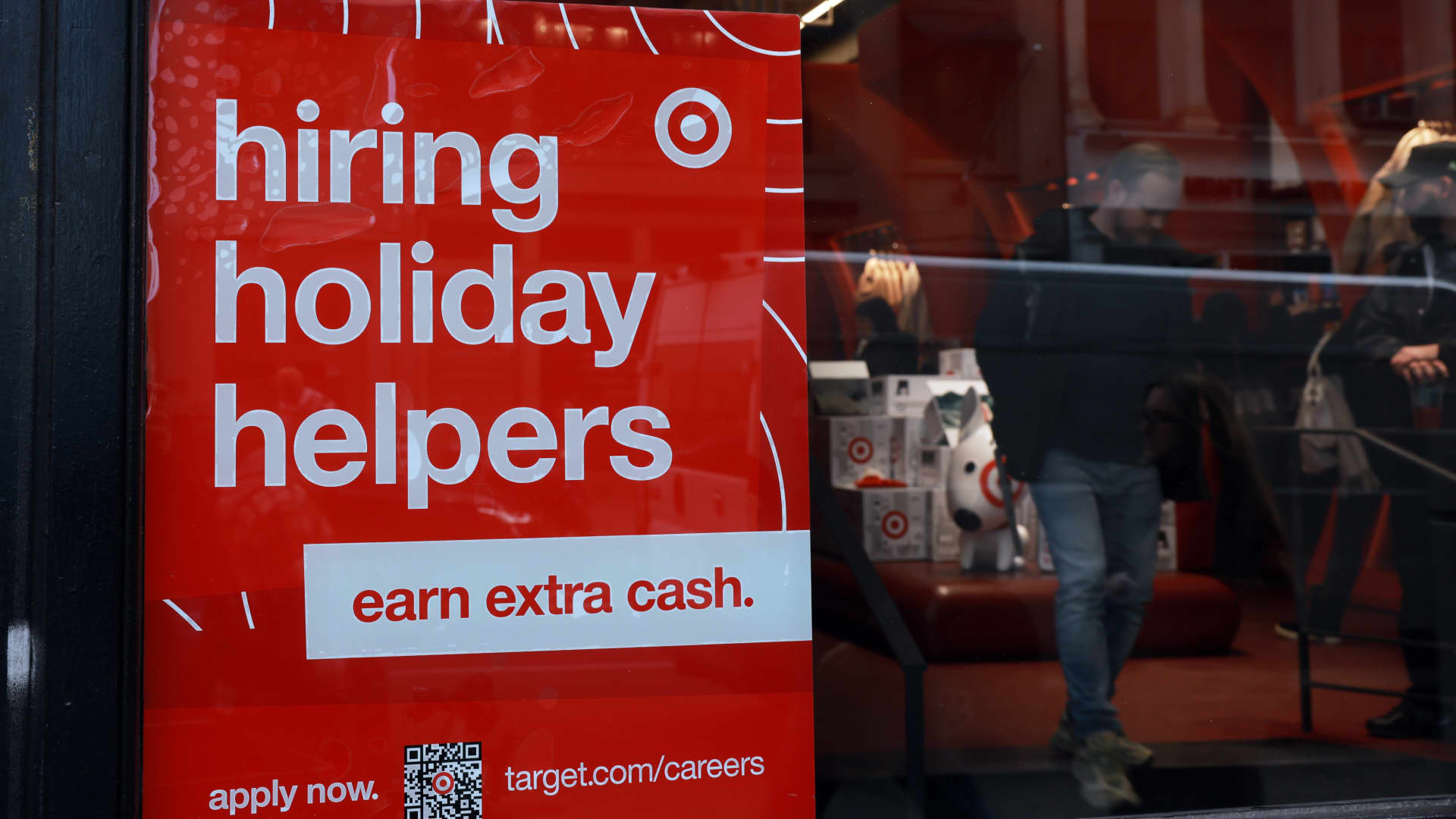
The U.S. labor market experienced an unexpected contraction in November, as private sector employment declined by 32,000 jobs, according to the latest report from payrolls processor ADP. This downturn signifies a notable slowdown in the domestic jobs picture, primarily driven by significant job losses within small businesses.
While larger enterprises (those with 50 or more employees) collectively added 90,000 workers, businesses employing fewer than 50 people reported a substantial decrease of 120,000 positions. This includes a notable drop of 74,000 jobs among firms with 20 to 49 employees, marking the largest overall job loss since March 2023.
Economists had anticipated a gain of 40,000 jobs for the month, making November's decline a sharp reversal from October's upwardly revised gain of 47,000 positions. The ADP report serves as a critical indicator for the Federal Reserve ahead of its December 9-10 meeting, where officials will weigh future monetary policy decisions.
Mixed Performance Across Industries
Industry performance was mixed. Sectors like education and health services led job creation with 33,000 new hires, followed by leisure and hospitality which added 13,000. However, these gains were overshadowed by broad-based declines across other industries.
The most significant losses were seen in professional and business services, down 26,000 jobs. Other sectors experiencing cuts included information services (-20,000), manufacturing (-18,000), and both financial activities and construction, each shedding 9,000 positions.
Wage Growth Slows Amid Economic Uncertainty
Wage growth also exhibited signs of deceleration. Workers remaining in their roles saw a year-over-year pay increase of 4.4%, a slight dip of 0.1 percentage point from the previous month. Nela Richardson, ADP's chief economist, commented on the trend, stating, "Hiring has been choppy of late as employers weather cautious consumers and an uncertain macroeconomic environment. And while November's slowdown was broad-based, it was led by a pullback among small businesses."
Federal Reserve's Next Move Anticipated
Amid these developments, futures traders are now pricing in a nearly 90% chance that the Federal Reserve will implement another quarter percentage point cut to its benchmark interest rate. This comes despite differing views among Fed policymakers; some advocate for cuts to prevent further labor market weakening, while others express concern that additional easing could exacerbate inflation, which remains above the Fed's 2% target.
The Bureau of Labor Statistics is scheduled to release its own nonfarm payrolls report on December 16, a date postponed due to a recent government shutdown.
By news
8 months ago