Louisiana Police Welcome Federal Crackdown: Immigrant Communities Go Into Hiding Amid Increased Enforcement
Dec 3, 2025
 United States
Immigration & Law Enforcement
United States
Immigration & Law Enforcement
United States
Immigration & Law Enforcement
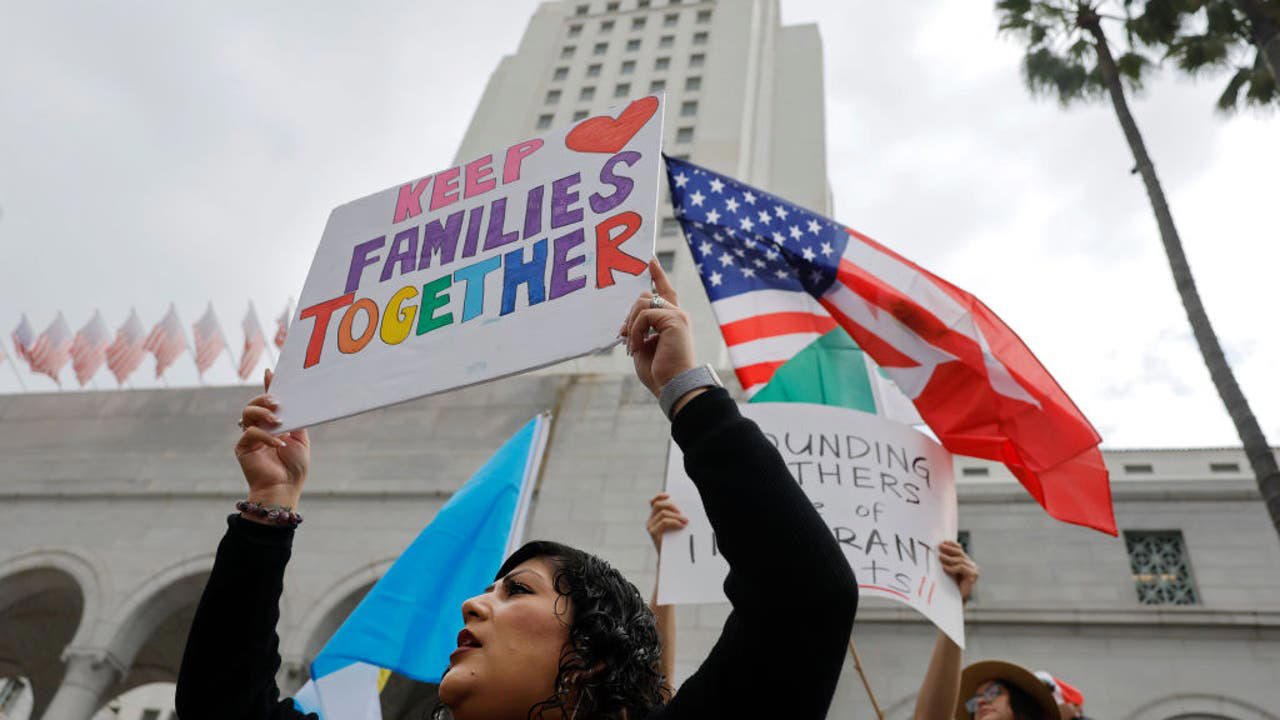
Police in a Louisiana city support a federal immigration crackdown, leading to fear and hiding among immigrant communities and raising concerns about societal i
Federal Immigration Crackdown Divides Louisiana City: Police Welcome, Immigrants Hide
A federal immigration crackdown in a Louisiana city has created a stark divide, with local law enforcement expressing strong support while immigrant communities are forced underground, living in fear. The initiative, welcomed by police, aims to increase enforcement and reduce undocumented populations, but its immediate effect has been to plunge many into a state of heightened anxiety and isolation.
Law Enforcement's Stance
Local police officials have publicly endorsed the federal efforts, citing concerns over public safety and the rule of law. They view the crackdown as a necessary step to address perceived challenges associated with undocumented immigration. This alignment with federal policy signals a unified front in the push for more stringent immigration controls within the city.
Immigrant Communities in Hiding
However, for the city's immigrant residents, the crackdown signifies a grave threat. Stories of families fearing separation, individuals avoiding public spaces, and children experiencing distress are becoming increasingly common. Many have chosen to remain hidden, limiting their interactions outside their homes, shunning workplaces, and even avoiding essential services like healthcare and education, fearing detention or deportation. This pervasive fear has created a shadow community, disrupting daily life and eroding trust in official institutions.
Societal and Economic Implications
Experts suggest that while enforcement may achieve its immediate goals, the long-term societal and economic consequences could be significant. The disappearance of a segment of the workforce can impact local industries, and the creation of a fearful, isolated population can lead to broader social challenges. Human rights advocates are raising alarms about the humanitarian implications, emphasizing the emotional and psychological toll on vulnerable individuals and families. The situation in this Louisiana city serves as a potent illustration of the complex and often conflicting priorities at play in national immigration debates, highlighting the profound human impact of such policies on the ground.
By news
8 months ago