Hamas to Hand Over Hostage Body; Israel Eyes Rafah Crossing Reopening for Gaza Medical Aid
Dec 3, 2025
 Palestinian Territory Occupied
Middle East Conflict
Palestinian Territory Occupied
Middle East Conflict
Palestinian Territory Occupied
Middle East Conflict
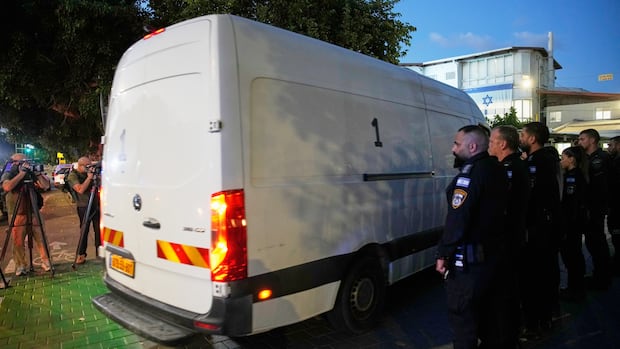
Hamas announced it would hand over a hostage's body as Israel plans to reopen the Rafah crossing for Gaza medical patients. This aligns with peace efforts amid
Hamas Prepares Hostage Body Handover as Israel Considers Rafah Crossing Reopening for Gaza Medical Aid
The complex and often tragic dynamics of the Gaza conflict saw a significant development today as Hamas announced its intention to hand over the body of a deceased hostage. This move coincides with Israel's stated expectation to soon permit the reopening of the Rafah border crossing, a crucial gateway between Gaza and Egypt, specifically to allow Palestinians in urgent need of medical care to exit the war-torn territory.
Hostage Handover and Peace Efforts
The planned handover, set for Wednesday at 5 p.m. local time (10 a.m. ET), is a critical component of a broader U.S. President Donald Trump-backed initiative aimed at de-escalating the two-year Gaza conflict. A key condition of this peace plan involves the full return of all hostages held by Hamas, both living and deceased, and the bilateral opening of the Rafah crossing.
Since the ceasefire took effect in October, Israel has maintained the crossing's closure, emphasizing Hamas's obligation to uphold the agreement. To date, Hamas has released 20 living hostages and repatriated 26 bodies in exchange for approximately 2,000 Palestinian detainees and convicted prisoners. However, two deceased captives — Israeli police officer Ran Gvili and Thai agricultural worker Sudthisak Rinthalak, both abducted during the devastating October 7, 2023, attack on Israel — reportedly remain in Gaza.
The Al Quds Brigades, the armed faction allied with Hamas's Palestinian Islamic Jihad movement, reported locating a hostage's body in northern Gaza following a joint search effort with the Red Cross. This announcement follows a prior handover on Tuesday, where remains were provided to the Geneva-based Red Cross, which serves as a crucial intermediary. However, Israeli forensic testing of those earlier "findings" concluded they were "not linked to any of the deceased hostages," according to Prime Minister Benjamin Netanyahu's office. The specific identity of the body to be handed over on Wednesday was not immediately disclosed by Hamas.
Rafah Crossing: A Lifeline for Gaza
The potential reopening of the Rafah crossing represents a glimmer of hope for Gaza's besieged population. Before the ongoing conflict, it served as the primary direct exit for most Palestinians seeking to reach the outside world and a vital entry point for humanitarian aid. The crossing has largely remained closed throughout the hostilities.
COGAT, the Israeli military unit responsible for humanitarian affairs, indicated that the reopening would be coordinated with Egypt and overseen by a European Union mission, mirroring a mechanism used during a previous Gaza ceasefire in January 2025. However, state-affiliated Al Qahera News TV, citing Egypt's State Information Service, reported no current coordination between Egypt and Israel for the crossing's immediate reopening. The United Nations estimates that at least 16,500 patients in Gaza urgently require medical treatment outside the enclave, a stark reminder of the humanitarian crisis. While some Gazans have managed to receive medical care abroad via Israel, the Rafah crossing is essential for broader access.
Persistent Conflict and Casualties
Despite the October 10 ceasefire, the region continues to experience violence. Israel has continued its strikes and demolitions against what it identifies as Hamas infrastructure, while both sides trade accusations of violating the U.S.-backed agreement. Tragically, health officials at Al-Ahli Hospital in Gaza reported two Palestinians were killed by Israeli gunfire in Gaza City's Zeitoun suburb on Wednesday, a claim the Israeli military stated it was investigating.
The human cost of the conflict remains devastating. Gaza health authorities report over 350 Palestinians have been killed since the October 10 ceasefire, while Israeli authorities confirm the deaths of three Israeli soldiers during the same period. The broader war, ignited by Hamas's October 7, 2023, attack that claimed 1,200 lives (mostly civilians) and resulted in 251 hostage takings, has led to a catastrophic humanitarian situation. The Gaza Health Ministry recently announced that Israel's offensive in the Strip has now resulted in over 70,000 confirmed deaths, the vast majority being civilians.
By news
8 months ago