Netanyahu's Coalition Skips Vote on Trump's Gaza Peace Plan Amid Internal Opposition Over Palestinian Statehood
Dec 3, 2025
 Israel
Politics
Israel
Politics
Israel
Politics
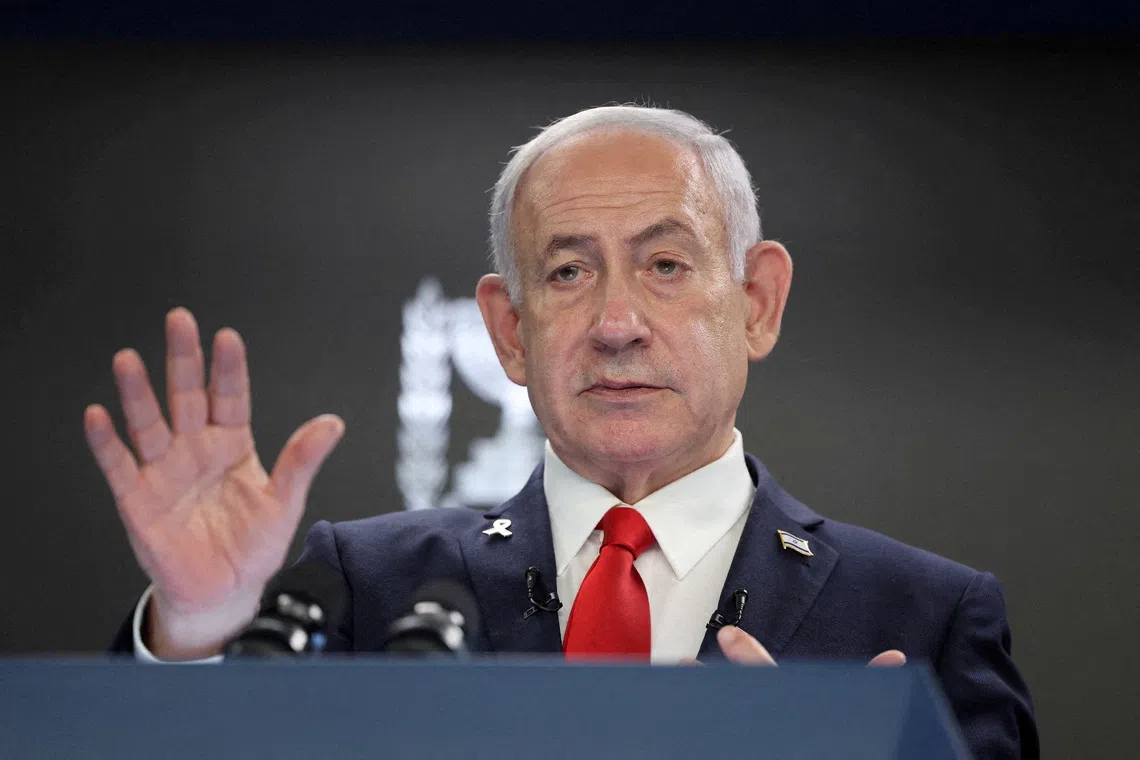
Netanyahu's coalition avoided a parliamentary vote endorsing Trump's Gaza plan. The symbolic move came despite the PM's prior support, amid internal dissent ove
Israeli Prime Minister Benjamin Netanyahu's governing coalition conspicuously bypassed a parliamentary vote this Wednesday that sought to formally endorse U.S. President Donald Trump's comprehensive plan for resolving the ongoing two-year conflict in Gaza. The session, held in Jerusalem, saw minimal participation, highlighting the complexities and internal divisions within Israeli politics regarding the proposed peace initiative.
A Symbolic Stand-Off Amid Dissent
The vote, initially put forth by opposition leader Yair Lapid, held largely symbolic weight. Prime Minister Netanyahu had already publicly thrown his support behind the American proposal following the ceasefire agreement reached with Hamas in October. Despite the prime minister's backing, the coalition's decision to abstain from the vote underscores underlying tensions. Out of the Knesset's 120 lawmakers, fewer than a third engaged, with 39 legislators voting in favor and none against the resolution. Lapid promptly took to X, declaring, "Israel now officially endorses and adopts President Trump's plan," accompanied by an image of himself with the US President.
Navigating Internal Criticism and Palestinian Statehood
The coalition's strategic absence from the vote was likely a maneuver to avert potential embarrassment. Several of Netanyahu's partners within the governing alliance have openly expressed reservations about Trump's plan, particularly its implicit reference to the concept of Palestinian statehood – a notion staunchly opposed by the current Israeli government. A lawmaker from Netanyahu's own Likud party, although present, chose not to cast a vote and repeatedly interjected during the proceedings, reflecting the dissent. Another Likud member also attended but abstained from voting.
A History of High-Stakes Diplomacy
The events unfold against a backdrop of significant interactions between the U.S. and Israeli leadership. President Trump had addressed the Knesset, Israel's parliament, in October, days after the Gaza ceasefire, receiving a standing ovation. However, the subsequent weeks revealed cracks in the diplomatic facade. Two weeks after Trump's address, a preliminary parliamentary vote passed (25-24) advocating for the annexation of the occupied West Bank. This move was a direct challenge, coming after President Trump had explicitly stated that Israel would not annex the territory under his plan. The then-visiting U.S. Vice President JD Vance publicly condemned the annexation vote, labeling it "stupid" and an "insult," further highlighting the delicate balance of power and differing agendas between the allies. The coalition's sidestepping of the recent vote thus reflects an attempt to manage these internal and external pressures without explicitly alienating key domestic partners or international allies.
By news
8 months ago