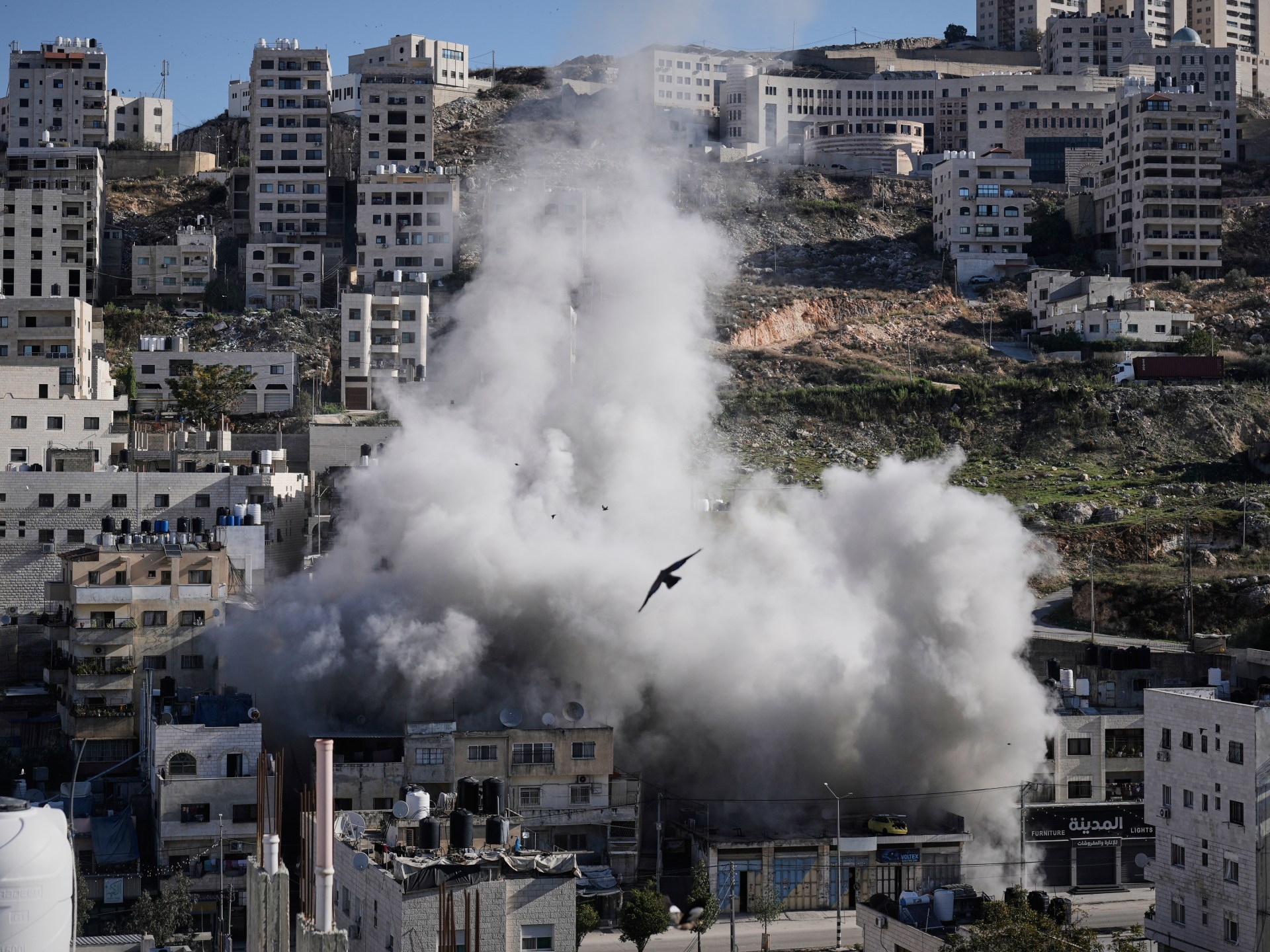
The quiet of Nablus, West Bank, was shattered on Tuesday, December 2, 2025, by the roar of an explosion as Israeli forces demolished the family home of Abdul Karim Sanoubar. Sanoubar, a Palestinian, stands accused by Israel of planting bombs on buses in central Israel. The Sanoubar extended family, comprising over 30 individuals, was reportedly given a mere two minutes to evacuate their apartment block before it was reduced to a plume of dust and smoke.
Accusations and Retribution
Abdul Karim Sanoubar, 30, is currently held in Israeli detention, linked to alleged bus bombings in Bat Yam near Tel Aviv in February. Although these incidents, where explosives detonated on parked buses, resulted in no injuries or fatalities, Sanoubar became a high-profile suspect. He evaded capture for five months before a two-day manhunt in Nablus in July ultimately led to his arrest. However, his family vehemently asserts that the destruction of their communal home is a clear act of “collective punishment.”
Sanoubar’s uncle, Moayed, condemned the demolition as an “act of terrorism” against his family, emphasizing their non-involvement in any alleged crime. “We’re not the terrorists; they are,” he told Al Jazeera, lamenting the injustice. Amer Sanoubar, Abdul Karim's 61-year-old father, echoed these sentiments, describing the demolition as the latest in a series of punitive actions against his family for his son's alleged transgressions. “They did this to frighten us,” he declared amidst the debris, viewing the action as a deterrent aimed at the entire Palestinian populace.
A Policy of Collective Punishment
The Israeli army stated the demolition was executed under “Operation Five Stones,” a “counterterrorism” initiative launched in late November. Following the demolition, the family was informed that their now-destroyed home had also been confiscated, rendering it illegal for them to return or reconstruct the damaged structure.
Human rights organizations consistently denounce Israel's practice of punitive home demolitions in the occupied West Bank as a form of collective punishment, deemed a violation of international law. This policy’s impact has extended beyond Abdul Karim. His brothers, Ahmad (31) and Omar (33), have been imprisoned under Israel's administrative detention system since his arrest, which allows for indefinite detention without trial. Their father, Amer, has been detained three times since the accusations against his son, and Sanoubar’s mother and sister have also faced detention. Family apartments have been subjected to repeated raids by Israeli soldiers, resulting in the destruction of furniture and personal belongings. Amer believes these actions were intended to coerce his son into surrendering while on the run.
The family received a demolition notice in April, allowing only 72 hours to file an objection, which Israeli courts ultimately rejected. The demolition, originally slated for November 18, had left the family living in constant apprehension. Now displaced, Abdul Karim Sanoubar’s relatives are scattered across Nablus and surrounding areas, seeking shelter with extended family. Neighboring families, evacuated during the demolition, have since returned to homes bearing external damage, including shattered windows. From the top-floor ruins of Sanoubar’s bedroom, a defiant message remains visible on the wall: “We fight so we can live.”