Israel Receives Possible Hostage Remains; Rafah Crossing Reopening Planned Amid Ceasefire Tensions with Egypt
Dec 4, 2025
 Israel
Middle East Conflict
Israel
Middle East Conflict
Israel
Middle East Conflict
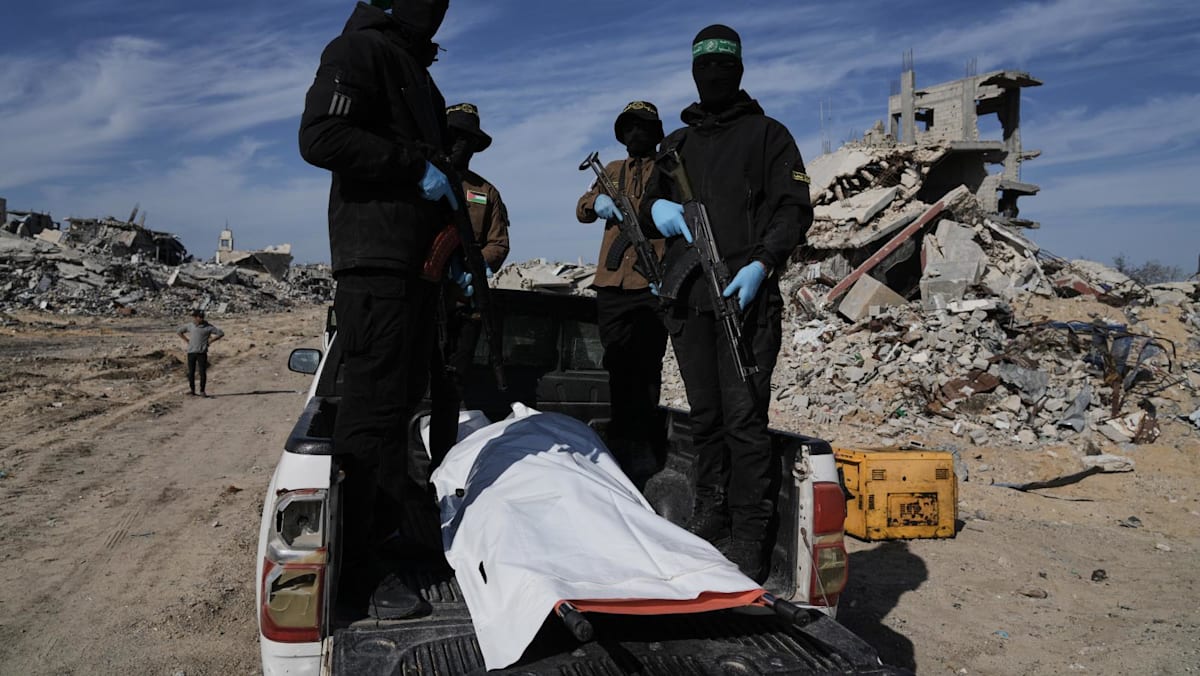
Israel received remains possibly linked to a hostage. Plans to reopen the Rafah crossing into Egypt are underway, but conditions from both Israel and Egypt crea
Israel Grapples with Hostage Remains While Negotiating Gaza's Rafah Crossing Reopening
JERUSALEM – Israel is navigating complex diplomatic and humanitarian challenges following the receipt of remains believed to belong to one of the last remaining hostages in Gaza. This development coincides with intricate discussions surrounding the reopening of the crucial Rafah border crossing with Egypt, a move critical for humanitarian aid and the movement of Palestinians from the war-torn territory.
Updates on Hostage Identification and Ceasefire Dynamics
On Wednesday, December 3, 2025, Israeli authorities received remains that could be those of a Gaza hostage. This follows an earlier return on Tuesday, where forensic tests revealed the partial remains did not match either of the two last known hostages. Palestinian militants, including Islamic Jihad and Hamas, had been involved in handing over these remains to the Red Cross, acting as an intermediary.
The return of all hostages seized during the October 7, 2023, attack is a cornerstone of the initial phase of the ongoing US-backed ceasefire agreement. In exchange, Israel has been releasing Palestinian prisoners. The two individuals whose bodies are believed to still be in Gaza are Israeli police officer Ran Gvili, killed during the October 7 attack, and Thai agricultural worker Sudthisak Rinthalak, abducted from Kibbutz Be’eri. A total of 31 Thai workers were initially abducted, with most released during earlier ceasefire stages.
The fragility of the ceasefire was underscored when Israeli Prime Minister Benjamin Netanyahu stated that a militant attack on Wednesday, which wounded four Israeli soldiers in southern Gaza, constituted a violation, vowing an appropriate response.
Rafah Crossing: A Thorny Path to Reopening
Under the ceasefire terms, the Rafah crossing, which has been largely sealed since May 2024, is designated for reopening to facilitate medical evacuations and travel. The World Health Organization estimates over 16,500 sick and wounded Gazans require medical care outside the Strip. However, the precise timing and conditions for its reopening remain contentious.
Israel’s military body, COGAT, indicated that Israel would coordinate with Egypt on the exit of Palestinians under European Union supervision, requiring “Israeli security approval.” Palestinians seeking to leave would need Egypt's agreement to receive them. Critically, Israel asserts that Palestinians will not be permitted to return to Gaza through Rafah until all hostage remains are returned.
Egypt, for its part, demands reciprocal movement, insisting the crossing must allow Palestinians to return to Gaza. Egyptian President Abdel-Fattah el-Sissi has voiced concerns that Israel might use an exodus from Gaza as a pretext for permanent expulsion, thereby undermining the Palestinian cause for statehood. Over 100,000 Palestinians, including conflict casualties, have reportedly sought refuge in Egypt since the war began.
Next Phases of the Ceasefire
Should the conditions surrounding hostage returns and prisoner exchanges be met, the US-backed ceasefire plan is designed to advance to subsequent phases. These include establishing an international stabilization force, forming a technocratic Palestinian government, and disarming Hamas. The resolution of the Rafah crossing dilemma and the fate of the remaining hostages are pivotal to progressing this fragile peace process.
By news
9 months ago