Ukraine Slams Putin Over Stalled US-Russia Peace Talks; EU Moves to Cut Russian Gas by 2027 Amid Ongoing Conflict
Dec 4, 2025
 Ukraine
International Relations
Ukraine
International Relations
Ukraine
International Relations
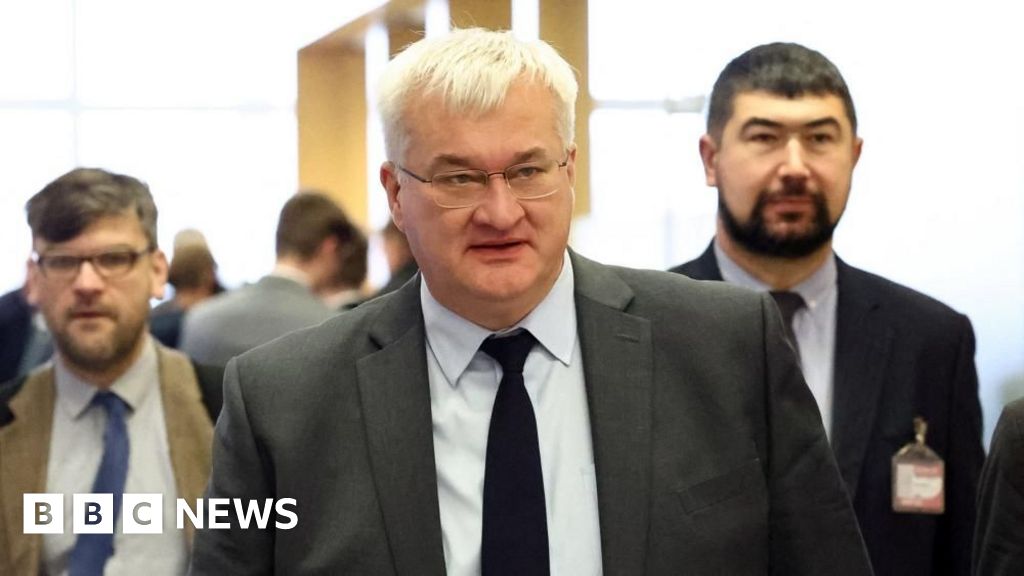
Ukraine criticizes Putin after US-Russia peace talks fail. EU agrees to end Russian gas imports by 2027 and proposes €90B aid for Ukraine, facing Belgian resist
The global community watched as high-level discussions between the United States and Russia in Moscow concluded without a tangible breakthrough for peace in Ukraine. In the aftermath, Ukrainian Foreign Minister Andrii Sybiha sharply criticized Russian President Vladimir Putin, accusing him of "wasting the world's time" and "spitting in the world's face." Sybiha emphasized that Russia must halt the conflict it initiated and warned of "consequences" if Putin continued to defy international efforts.
Despite the lack of immediate progress, the Ukrainian minister noted that the US delegation had conveyed a message of "positive significance for the peace process" to his colleagues and extended an invitation for Ukrainian officials to participate in further talks in the US soon.
Stalled Diplomatic Efforts
The nearly five-hour meeting at the Kremlin on Tuesday involved President Donald Trump's special envoy Steve Witkoff and his son-in-law Jared Kushner, who later briefed Trump on their "thorough, productive meeting." These US-Russia talks followed extensive engagements between US officials and Ukrainian and European leaders, aimed at addressing concerns that any potential deal might overly favor Russia's demands.
However, significant reconciliation between Moscow and Kyiv's positions remained elusive during the Kremlin discussions. Putin's senior policy adviser, Yuri Ushakov, confirmed that "no compromise" had been reached on ending the conflict. While some US proposals were deemed "more or less acceptable" and merited further discussion, Ushakov stated that others faced open criticism from the Russian leader.
Core Disagreements and Russia's Stance
The primary sticking points between Moscow and Kyiv persist: the ultimate fate of Ukrainian territories seized by Russian forces and robust security guarantees for Ukraine. Kyiv and its European allies advocate for Ukraine's NATO membership as the most effective long-term deterrent against future Russian aggression, even if a peace agreement were to be struck. Russia, however, vehemently opposes this prospect, a stance echoed by President Trump, who has repeatedly signaled his disinclination to allow Kyiv into the alliance. The Kremlin explicitly confirmed that Ukraine's potential NATO entry was a "key question" debated in Moscow.
Ushakov suggested that Russia's negotiating leverage had been bolstered by recent military successes. He claimed Russian soldiers had "helped make the assessments of our foreign partners regarding the paths to a peace settlement more appropriate." Putin himself was recently filmed in military attire at a command post, receiving briefings on alleged conquests, including the strategic eastern Ukrainian city of Pokrovsk and nearby settlements. While fighting continues in Pokrovsk and Russian forces do not fully control the city, Moscow clearly intends for its claims of military gains to influence US perceptions.
Indeed, Russian forces have achieved incremental advances in eastern Ukraine, intensifying their campaign in recent weeks. November saw them seize approximately 701 sq km (270 sq miles) of Ukrainian territory, according to an AFP analysis of data from the US-based Institute for the Study of War (ISW), bringing their total control to 19.3% of Ukrainian land.
Widening Gulf Between Russia and Europe
Despite Putin's stated readiness to meet with American envoys "as many times as needed," a growing chasm is apparent between Moscow and Europe. Putin has accused European nations of sabotaging Russia's relationship with the US, presenting unacceptable demands, and impeding the peace process. Strikingly, just prior to his meeting with Witkoff and Kushner, Putin declared at a Moscow forum that while he didn't seek conflict with Europe, he was "ready for war."
In response, Europe is taking decisive action. UK government officials dismissed Putin's pronouncements as "yet more Kremlin claptrap." NATO foreign ministers, meeting in Brussels, acknowledged the positive aspect of peace talks but underscored the necessity of positioning Ukraine "in the strongest position to keep the fight going."
Crucially, EU member states and the European Parliament have agreed on a landmark deal to achieve full independence from Russian gas by the end of 2027. European Commission chief Ursula von der Leyen hailed this as "the dawn of a new era." The agreement will ban long-term gas pipeline contracts with Russia from September 2027 and long-term liquefied natural gas (LNG) contracts from January 2027. EU Energy Commissioner Dan Jorgensen affirmed, "We've chosen energy security and independence for Europe. No more blackmail. No more market manipulation by Putin. We stand strong with Ukraine."
Financial Support for Ukraine
Furthermore, the European Commission proposes raising €90 billion to fund Ukraine's military and essential services throughout the ongoing war. This plan envisions either a "reparations loan" utilizing frozen Russian assets held in a Brussels-based financial institution, contingent on Belgium's consent, or funding through international borrowing. Ukrainian Prime Minister Yulia Svyrydenko has welcomed this proposal, which would cover two-thirds of Ukraine's financial requirements for the next two years.
However, Belgium has expressed reservations about using frozen assets on its territory, citing concerns over potential legal repercussions from Moscow. The European Central Bank (ECB) has also opposed this idea, stating it would not act as a backstop for such a loan. While the proposed loan is smaller than the initially planned €140 billion, German Foreign Minister Johann Wadephul confirmed support for the initiative, acknowledging Belgium's concerns.
By news
9 months ago
No cameras found for this country.