South Africa Considers G20 Hiatus Following US Ban: Analyzing Geopolitical Repercussions & Diplomatic Tensions
Dec 4, 2025
 South Africa
International Relations
South Africa
International Relations
South Africa
International Relations
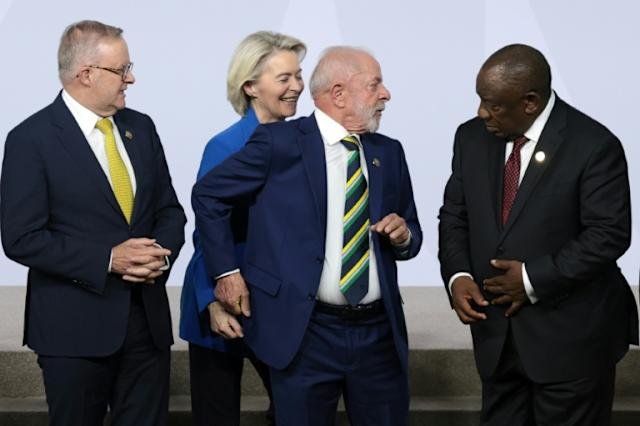
South Africa reportedly considers a G20 hiatus following an unspecified US ban. This potential move highlights escalating geopolitical tensions and its impact o
Disclaimer: The original article content could not be retrieved due to a 403 Client Error. The following analysis is based solely on the provided headline: "South Africa Will 'Take A Break' From G20 After US Ban."
South Africa Considers G20 Hiatus Amidst US Ban Fallout
Based on the compelling headline, it appears that South Africa is actively contemplating a temporary withdrawal or a significant reduction in its participation within the G20, the premier forum for international economic cooperation. This potential and significant decision is reportedly a direct consequence of an unspecified 'US Ban' that has been imposed on the nation.
Unpacking the 'US Ban' and its Implications
While the precise nature of this 'US Ban' remains undisclosed—whether it involves economic sanctions, travel restrictions, or other diplomatic measures—its impact is evidently substantial enough to prompt such a strong reaction from Pretoria. The headline suggests a direct causal link, indicating that the ban is a pivotal factor driving South Africa's re-evaluation of its role in the global forum.
The G20 and South Africa's Role
The G20, comprising the world's leading economies, plays a vital role in addressing global financial stability and economic challenges. South Africa, as the sole African representative in this influential group, holds a unique position. A 'break' from its activities could carry considerable implications, not just for the country's international standing but also for the G20's claims of broad global representation. Such a move would undoubtedly underscore the current climate of growing geopolitical tensions and the complex challenges nations face in navigating an increasingly multipolar world order.
Potential Diplomatic and Economic Repercussions
Historically, significant diplomatic friction often leads to various forms of disengagement. South Africa's potential step back from the G20 would signal a considerable escalation in its relationship with the United States, potentially affecting critical areas like bilateral trade, foreign investment, and broader diplomatic ties. Furthermore, this development raises pertinent questions about the long-term stability of existing international alliances and the efficacy of mechanisms through which global powers currently exert influence.
Without the detailed content of the original article, a comprehensive understanding of the full context of the 'US Ban' and South Africa's specific motivations for considering this G20 'break' remains elusive. Nevertheless, the headline alone indicates a situation of considerable gravity, with potential ramifications for global diplomacy and economic cooperation.
By news
9 months ago
No cameras found for this country.