EU Eyes $105 Billion Frozen Russian Assets for Ukraine, Medvedev Warns of 'Act Justifying War'
Dec 4, 2025
 Belgium
Geopolitics
Belgium
Geopolitics
Belgium
Geopolitics
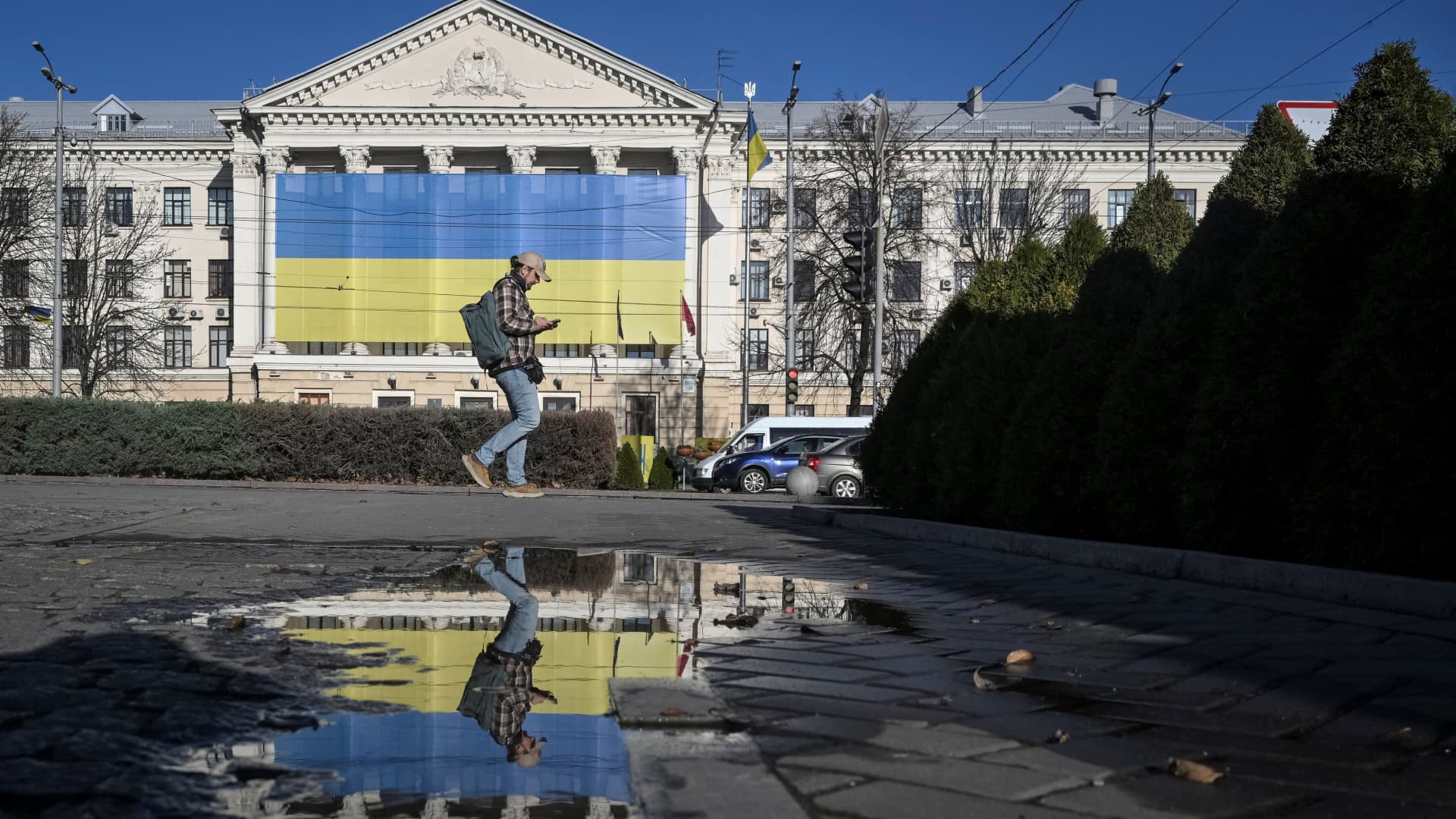
The EU considers using $105 billion in frozen Russian assets for Ukraine, possibly via a reparations loan. Russia's Dmitry Medvedev warns this could be an act j
EU Explores Using Frozen Russian Assets for Ukraine Amidst Russian 'Act of War' Warning
The European Commission is actively exploring mechanisms to utilize frozen Russian assets held within its borders, specifically targeting a substantial sum of $105 billion (90 billion euros) to bolster Ukraine's financial stability. This strategic move, which the EU executive arm is primarily considering as a "Reparations Loan," has ignited strong condemnation from Russia, with Dmitry Medvedev, Deputy Chairman of Russia's Security Council, issuing a stark warning that such action could be deemed an "act justifying war."
A Bold Plan to Unlock Frozen Wealth
The Commission's proposal centers on two main avenues: either a direct "Reparations Loan" leveraging cash from European financial institutions holding frozen Russian Central Bank assets, or securing funds through international markets. The former option is currently favored. The $105 billion sum represents approximately two-thirds of the International Monetary Fund's projected financing gap for Ukraine between 2026 and 2029, highlighting the critical need for sustained support as the conflict continues.
The EU asserts that this initiative is not tantamount to theft, arguing that it would function as a loan. Ukraine would only be obligated to repay the funds if Russia ultimately provides reparations for the damages incurred during the conflict. Despite this nuanced legal argument, Russia has consistently threatened retaliation should the EU proceed with accessing its frozen assets.
Russia's 'Casus Belli' Warning
Dmitry Medvedev, a prominent Russian official, articulated Moscow's severe disapproval via Telegram. He stated that if the European Union were to "steal Russian assets frozen in Belgium by issuing a so-called reparations loan," such actions could be classified under international law as a "special kind of casus belli" – Latin for an act that justifies war – with profound consequences for Brussels and individual EU member states. This warning underscores the high stakes involved and the potential for significant escalation in the ongoing geopolitical standoff.
Navigating Legal and Political Hurdles
The path to unlocking these assets is fraught with complexities. While utilizing profits generated by these assets has been an accepted measure, moving to directly access the principal faces considerable legal and political challenges. Belgium, in particular, finds itself at the epicenter of this debate as it hosts Euroclear, the financial institution housing the vast majority of Russia's state assets frozen since the 2022 invasion. Belgian leadership has expressed concerns about the long-term legal ramifications, particularly post-war, and advocates for a burden-sharing commitment among EU nations.
Decision-making within the EU further complicates matters. An anonymous EU official noted that borrowing money to support Ukraine would require unanimous consent from all member states. However, approving the use of frozen assets could potentially pass with a qualified majority. Hungary's known opposition to providing additional cash to Ukraine presents a significant obstacle to achieving unanimity, pushing the Commission to present the frozen assets option as a potentially less divisive alternative.
Context of Ongoing Peace Efforts
This contentious debate unfolds amidst a backdrop of ongoing international peace negotiations. High-level discussions include Rustem Umerov, head of Ukraine's national security council, meeting with U.S. special envoy Steve Witkoff in Miami. Concurrently, French President Emmanuel Macron is engaging Chinese President Xi Jinping in Beijing, urging greater cooperation on a resolution for Ukraine. Recent talks between Russia and the U.S. reportedly yielded no breakthrough, although U.S. President Donald Trump indicated that discussions involving his son-in-law, Jared Kushner, and Witkoff, were "reasonably good." The specifics of any proposed peace plan, following an initial 28-point proposal secretly shared with Ukraine, remain unclear.
By news
9 months ago