
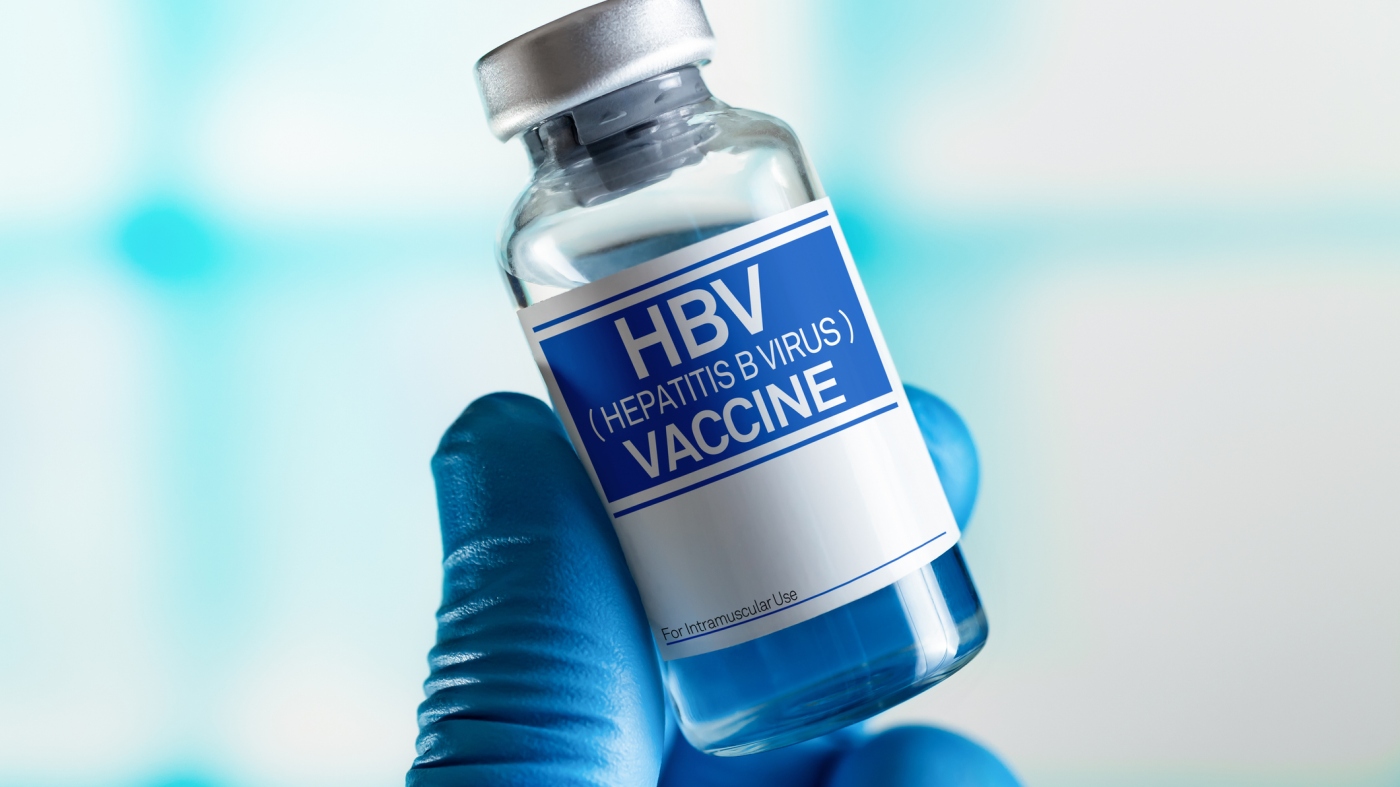
Hepatitis B Vaccine: Experts Warn Against Rolling Back Universal Newborn Immunization
For over three decades, the routine practice of vaccinating all U.S. newborns against Hepatitis B has been a cornerstone of public health. However, this established guideline is now under scrutiny, potentially facing a reversal that has sparked considerable alarm among pediatricians and infectious disease specialists. An advisory committee to the Centers for Disease Control and Prevention (CDC) is slated to vote on whether to withdraw this universal recommendation, a move that experts fear could have "extremely dangerous" ramifications for children's health.
Understanding the Threat: Hepatitis B and its Impact
Hepatitis B is a virulent virus that specifically targets the liver. Crucially, there is currently no cure, and persistent, chronic infection can lead to devastating health consequences, including advanced liver cancer, cirrhosis, and ultimately, death. The risks of these severe outcomes are significantly amplified for individuals who contract the virus during infancy. Dr. Andrew Pavia, a distinguished professor of pediatrics and medicine at the University of Utah and a renowned infectious disease specialist, underscores the gravity of the situation, stating that approximately 25% of children who develop chronic Hepatitis B will die from their infection.
The Peril of Delay: Data Highlights Increased Risks
A comprehensive new analysis sheds light on the potential repercussions of altering the existing vaccination schedule. The findings are stark: delaying the critical birth dose of the vaccine by just two months could lead to at least 1,400 additional preventable cases of Hepatitis B each year. Should vaccination be postponed until age 12, a suggestion previously made by President Trump, the analysis projects an even more alarming figure of at least 2,700 preventable infections annually. These compelling data points were released in advance of this week's pivotal meeting of the Advisory Committee on Immunization Practices.
A History of Success: Preventing Widespread Infection
Prior to the implementation of universal newborn vaccination in the U.S. in 1991, approximately 18,000 children annually would contract Hepatitis B before reaching the age of 10. A substantial proportion of these infections, around half, were attributed to mother-to-child transmission. The immediate post-birth administration of the vaccine has proven remarkably effective in halting the virus from taking hold in newborns, offering crucial early protection.
Beyond Sexual Transmission: Everyday Risks for Children
While Hepatitis B is known to be sexually transmitted, critics sometimes mistakenly argue that this negates the need for infant vaccination. However, experts like Dr. Pavia vehemently dispute this, stressing that children are susceptible to infection through a multitude of everyday interactions. He cites documented cases of transmission in various settings, including daycare centers, sports teams, and even via shared personal hygiene items such as toothbrushes and razors. The virus is present in blood, saliva, semen, and other bodily fluids, and possesses a worrying resilience, surviving on surfaces for up to seven days. Dr. Anita Patel, a pediatrician and critical care physician based in Washington, D.C., explains that a child with even a minor wound could become infected simply by coming into contact with a contaminated surface, potentially days after the initial exposure.
The Silent Threat: Unwitting Transmission
A significant challenge in managing Hepatitis B is that about half of infected individuals are unaware of their status, yet they can still unknowingly transmit the virus. Dr. Patel warns, "If you have a cut, that blood could potentially get on the infant. And if that infant has any sort of break in their skin — as infants, frankly, frequently do — they can then get Hepatitis B." This highlights the insidious nature of the virus and the broad necessity of universal protection.
Personal Stories and Unquestionable Efficacy
Dr. Su Wang, an internist and researcher specializing in hepatitis at Cooperman Barnabas Medical Center in New Jersey, shares a compelling personal account. She suspects she contracted Hepatitis B as an infant from her grandparents, who were likely exposed through their medical professions in Taiwan, a country that once had high adult Hepatitis B rates, successfully mitigated the problem with a national vaccination program in the 1980s. Dr. Wang firmly believes in the critical importance of the birth dose.
The evidence of the U.S. universal newborn vaccination program's success is irrefutable. Since its widespread implementation, Hepatitis B case rates have plummeted by an astounding 99% among individuals aged 19 and younger. Dr. Wang aptly summarizes this achievement: "When we started doing this as universal for all kids, you saw this blanket protection that protected an entire generation of kids." The current debate serves as a crucial reminder of the profound impact of early vaccination in safeguarding public health and averting a resurgence of this serious liver disease.