Pentagon Clears Pete Hegseth in Signal App Controversy, But Experts Raise Doubts on 'Total Exoneration'
Dec 4, 2025
 United States
National Security
United States
National Security
United States
National Security
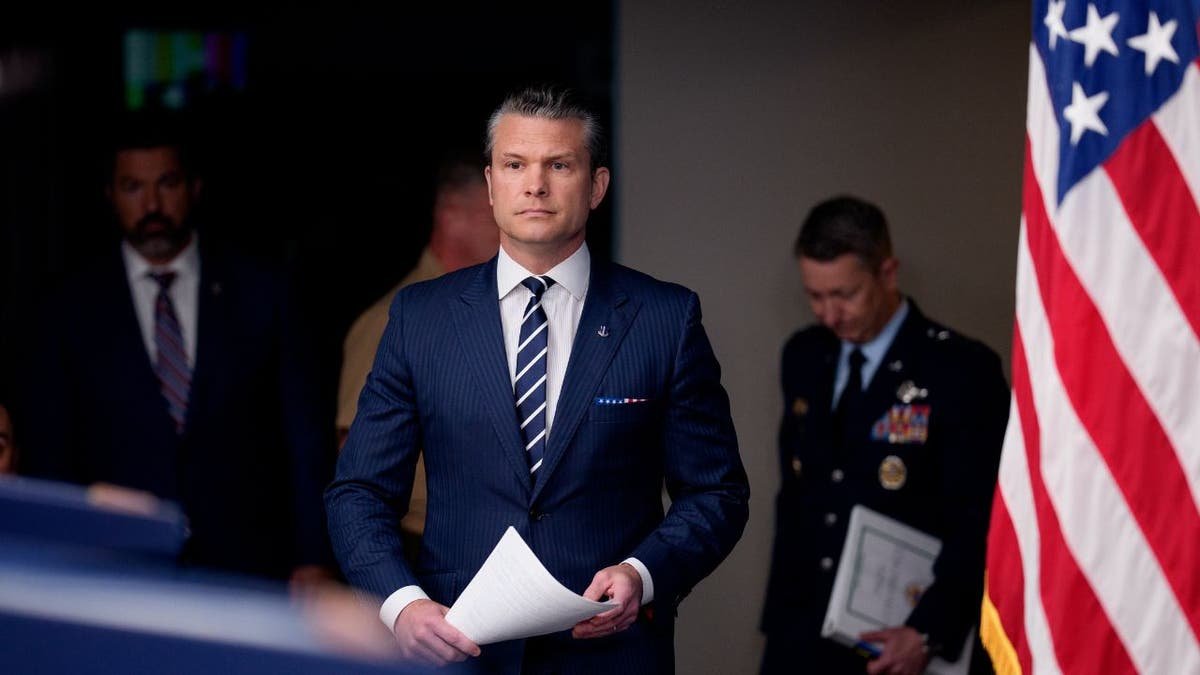
The Pentagon has declared Pete Hegseth fully exonerated in the Signal app controversy. However, some national security experts contend the investigation's findi
Pentagon Declares Pete Hegseth Fully Exonerated in Signal App Flap, Yet Experts Voice Skepticism
The Pentagon has officially announced the “total exoneration” of Fox News personality and former Army officer Pete Hegseth following an investigation into his use of the secure messaging application, Signal. This declaration aims to bring a definitive close to a controversy that had sparked significant questions regarding secure communications protocols and the handling of sensitive information within government and military circles.
The Heart of the Signal App Controversy
The “Signal flap” refers to an incident where Pete Hegseth, known for his commentary and past military service, reportedly used the encrypted Signal app for communications that drew official scrutiny. While the exact details of the allegations remain somewhat obscured, the core concern typically revolves around the potential for unauthorized sharing of information, breaches of communication security protocols, or the bypass of official channels meant to safeguard classified or sensitive discussions.
Pentagon's Verdict: A Comprehensive Exoneration
Following a thorough review, the Department of Defense concluded that no wrongdoing or misconduct could be substantiated against Hegseth. The Pentagon's statement underscores a complete clearance, implying that all allegations were investigated and found to lack sufficient evidence for culpability. This “total exoneration” suggests that from the military’s perspective, Hegseth adhered to necessary guidelines or that any deviations were not severe enough to warrant disciplinary action or further investigation.
Expert Voices: Is the Exoneration Truly "Clear Cut"?
Despite the Pentagon’s unequivocal declaration, some national security and legal experts are publicly expressing reservations, suggesting that the exoneration might not be as “clear cut” as the official statement implies. Critics often point to several factors:
- Lack of Transparency: Investigations of this nature are frequently opaque, with detailed findings rarely made public. This secrecy can lead to doubts about the thoroughness or impartiality of the review process.
- Interpretation of Rules: Experts may argue over the interpretation of secure communication policies, suggesting that while Hegseth’s actions might not have technically broken a rule, they could have skirted the spirit of security protocols.
- Precedent and Accountability: Concerns are often raised about the precedent such a “total exoneration” sets for others in similar positions and whether it fully addresses broader issues of accountability in the digital age.
These dissenting views highlight an ongoing debate about how government officials and military personnel use personal and secure messaging applications, particularly when dealing with matters of national importance. The Pentagon's ruling may settle the official inquiry, but the conversation among observers and analysts about secure communication practices and accountability is likely to persist.
By news
9 months ago