
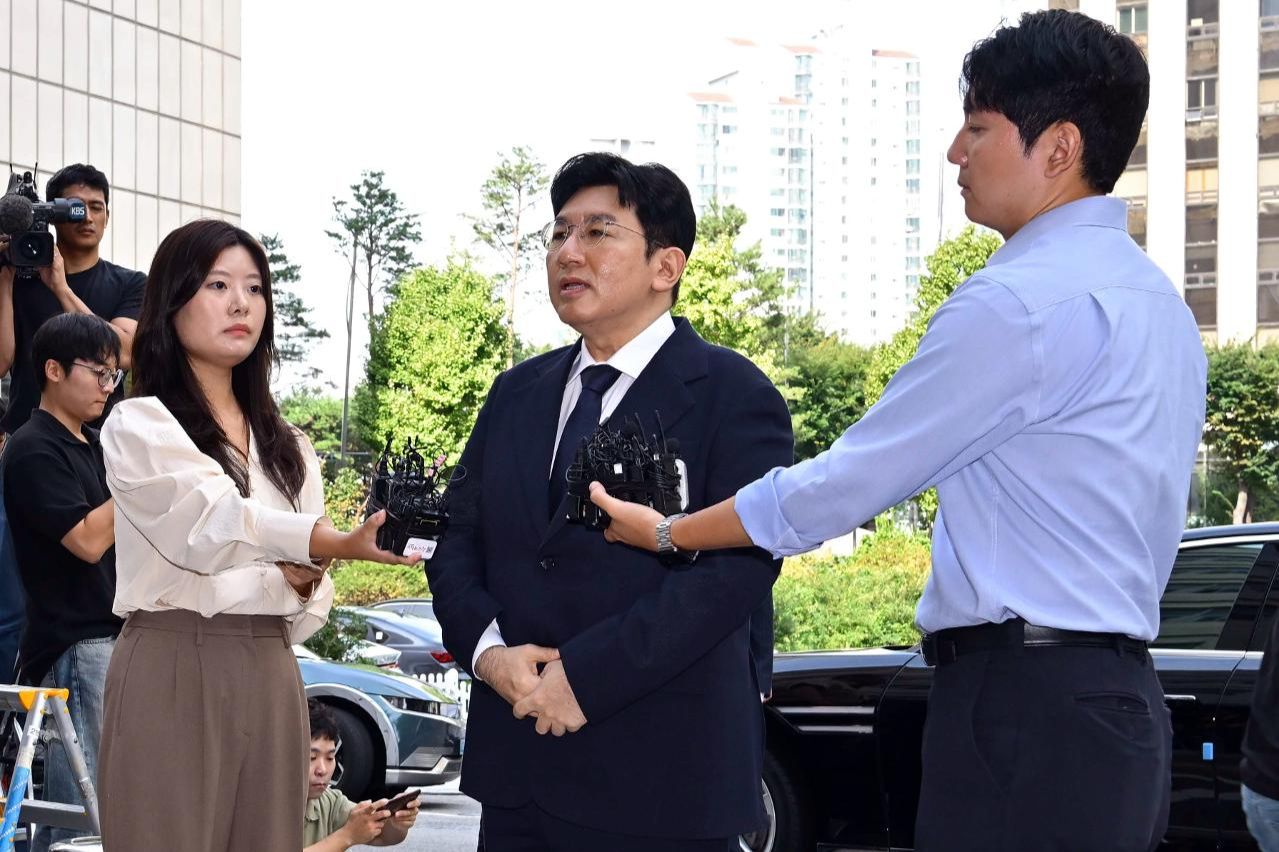
Seoul Court Freezes HYBE Chairman Bang Si-hyuk's Shares Amid Stock Trading Investigation
Seoul, South Korea – A significant development has emerged in the ongoing investigation into HYBE Chairman Bang Si-hyuk. A Seoul court has ordered the freezing of approximately 156.8 billion won (around $106.4 million USD) worth of shares in the K-pop entertainment giant, HYBE, held by its founder. This move comes as Bang Si-hyuk faces scrutiny over alleged unfair stock trading.
Asset Preservation Order Issued
The Seoul Southern District Court granted a prosecution request for asset preservation last month. This legal action aims to prevent Bang Si-hyuk from liquidating or transferring his shares in HYBE while the investigation proceeds. The primary purpose of such an order is to secure assets that could potentially be seized if the chairman is found guilty and ordered to forfeit any criminal proceeds stemming from the charges.
Allegations of Misleading Investors
Bang Si-hyuk, the visionary behind global sensation BTS, is under investigation for allegedly misleading investors in 2019. Prosecutors suspect he denied plans for an initial public offering (IPO) at the time, prompting investors to sell their HYBE shares. These shares were reportedly sold to a special purpose company (SPC) with ties to a private equity fund linked to Bang. The allegations suggest that Bang subsequently profited around 190 billion won when the SPC sold its acquired shares after HYBE eventually went public.
HYBE's Response and Ongoing Probe
It's important to note that while the asset preservation order has been issued, Bang Si-hyuk has not yet been formally indicted by the prosecution. A representative from HYBE clarified that the court's order is a standard procedural step in such investigations and does not constitute a verdict of guilt. The company affirmed its commitment to cooperating fully with law enforcement, stating, "We have faithfully cooperated with the investigation, provided our explanations and are awaiting the decision by law enforcement." This case highlights the increasing scrutiny on corporate governance within South Korea's entertainment industry.