Israel Declares Strikes on Hezbollah in South Lebanon, Warns Jbaa & Mahrouna to Evacuate Amidst Rising Tensions
Dec 4, 2025
 Lebanon
International Conflict
Lebanon
International Conflict
Lebanon
International Conflict
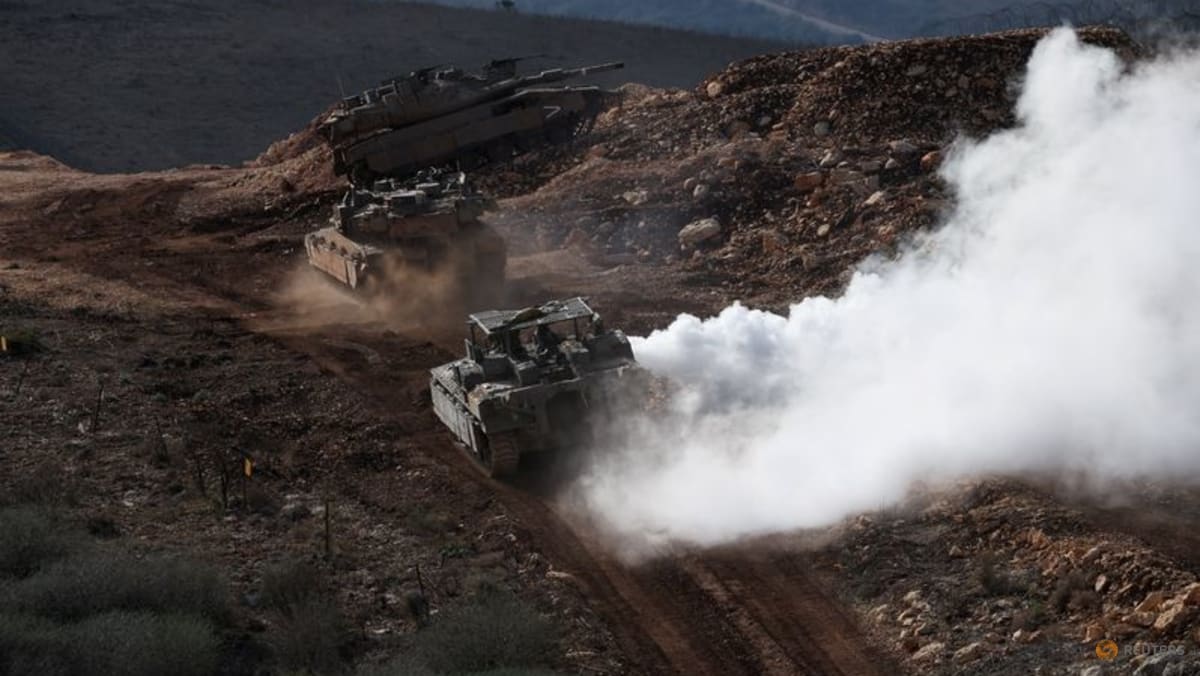
Israel announced imminent strikes on Hezbollah military sites in South Lebanon, warning residents of Jbaa and Mahrouna to evacuate. This follows recent talks, y
Israel Warns of Imminent Strikes in South Lebanon, Urges Evacuation
Jerusalem witnessed a significant development on Thursday, December 4, as the Israeli military declared its intent to launch imminent strikes against what it identified as Hezbollah military infrastructure located in southern Lebanon. This announcement was coupled with an urgent evacuation warning issued to residents of two specific villages, Jbaa and Mahrouna.
Evacuation Call and Military Justification
The Israeli army conveyed its message via an X post, which included maps pinpointing buildings within the aforementioned villages. The warning explicitly stated that remaining in these areas would "put you at risk." Avichay Adraee, the military's Arabic-language spokesman, further elaborated that the planned strikes were a direct response to Hezbollah's "prohibited attempts to rebuild its activities" in the region. He urged villagers to evacuate immediately for their own safety, citing their proximity to structures utilized by Hezbollah.
Diplomatic Context Amidst Escalation
This escalation comes notably just one day after Israel and Lebanon engaged in their first direct talks in decades. These discussions were facilitated under a year-old ceasefire monitoring mechanism, with Morgan Ortagus, the US special envoy for Lebanon, also in attendance. Despite Israeli Prime Minister Benjamin Netanyahu's office describing the atmosphere of these talks as "positive," a clear caveat was issued: the disarmament of Hezbollah remains "essential," irrespective of any progress made in economic cooperation.
Ceasefire Violations and Ongoing Tensions
The broader context for these events is rooted in a ceasefire agreement established in November 2024, designed to end over a year of intense fighting between Israel and the militant group Hezbollah. This conflict had originally erupted following the commencement of the Gaza war in October 2023. However, even with the truce in place, Israel has consistently carried out bombardments in Lebanon. These actions are typically justified as targeting Hezbollah members and infrastructure to prevent rearmament. Furthermore, Israel has maintained its troop presence in five southern areas, a move that contradicts the ceasefire's mandate for a complete withdrawal.
By news
9 months ago
No cameras found for this country.