
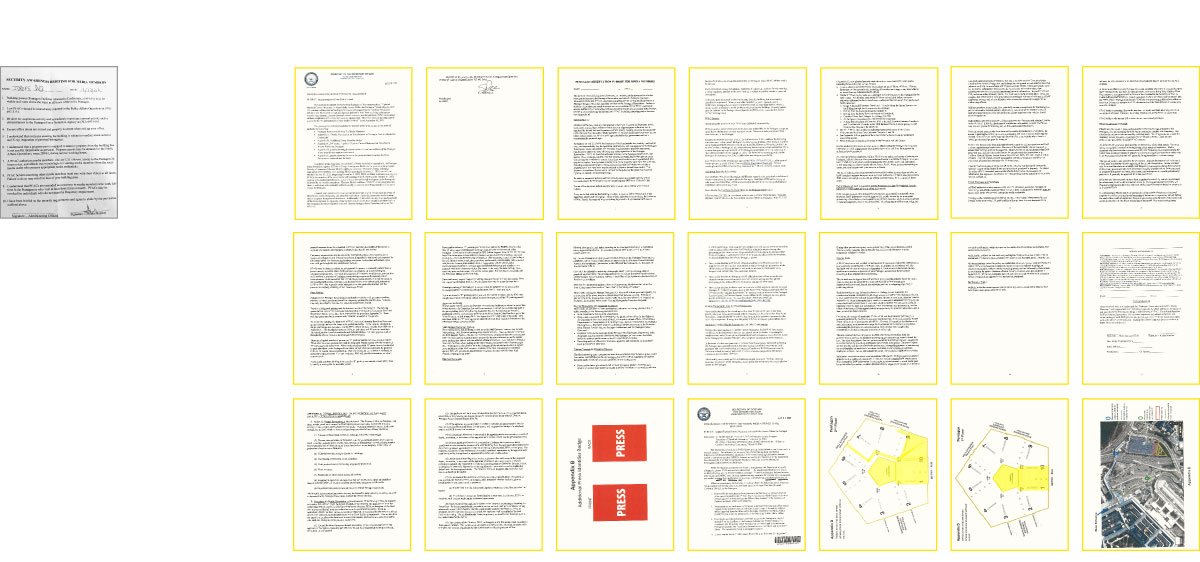
The New York Times has initiated a significant legal challenge against the Pentagon, asserting its fundamental First Amendment rights concerning reporting restrictions imposed by the government. This lawsuit underscores a growing tension between media organizations seeking to inform the public and government entities aiming to control information, particularly regarding military operations and national security.
Press Freedom Under Scrutiny
At the heart of the New York Times' complaint is the contention that the Pentagon's existing reporting guidelines unduly impede journalists' ability to gather and disseminate news crucial to a functioning democracy. The lawsuit argues that these rules often create a chilling effect, discouraging transparency and accountability from military and government officials.
The First Amendment Argument
The First Amendment to the U.S. Constitution guarantees freedom of speech and the press. The New York Times' legal team is arguing that the Pentagon's policies constitute an infringement on this constitutional right, making it difficult for reporters to engage with sources, access information, and ultimately provide comprehensive coverage to the American public. This legal action could set a precedent for future interactions between the press and government agencies, particularly in sensitive areas like defense and intelligence.
Implications for Journalism
Should the New York Times succeed, it could force the Pentagon to revise its reporting protocols, potentially opening up new avenues for journalists to report on military activities with greater autonomy. Conversely, a ruling in favor of the Pentagon could further empower government agencies to dictate the terms of journalistic engagement, raising concerns about censorship and the public's right to know. This case is being closely watched by media organizations, civil liberties advocates, and government transparency groups nationwide, highlighting the ongoing debate about the balance between national security interests and press freedom.