Last International Flights to Venezuela Halted After Trump Airspace Ban & Navigation Issues Severely Impacting Diaspora
Dec 5, 2025
 Venezuela
International News
Venezuela
International News
Venezuela
International News
All remaining international airlines have suspended flights to Venezuela, following a US airspace ban and reported navigation signal issues, further isolating t
Venezuela Isolated as Last International Flights Halted Amid US Airspace Ban
In a significant development that further isolates the South American nation, the final remaining international airlines operating routes to Venezuela have ceased their services. This dramatic cessation comes just days after a unilateral declaration by United States President Donald Trump, effectively closing Venezuelan airspace.
Airlines Suspend Services Citing Navigation Issues
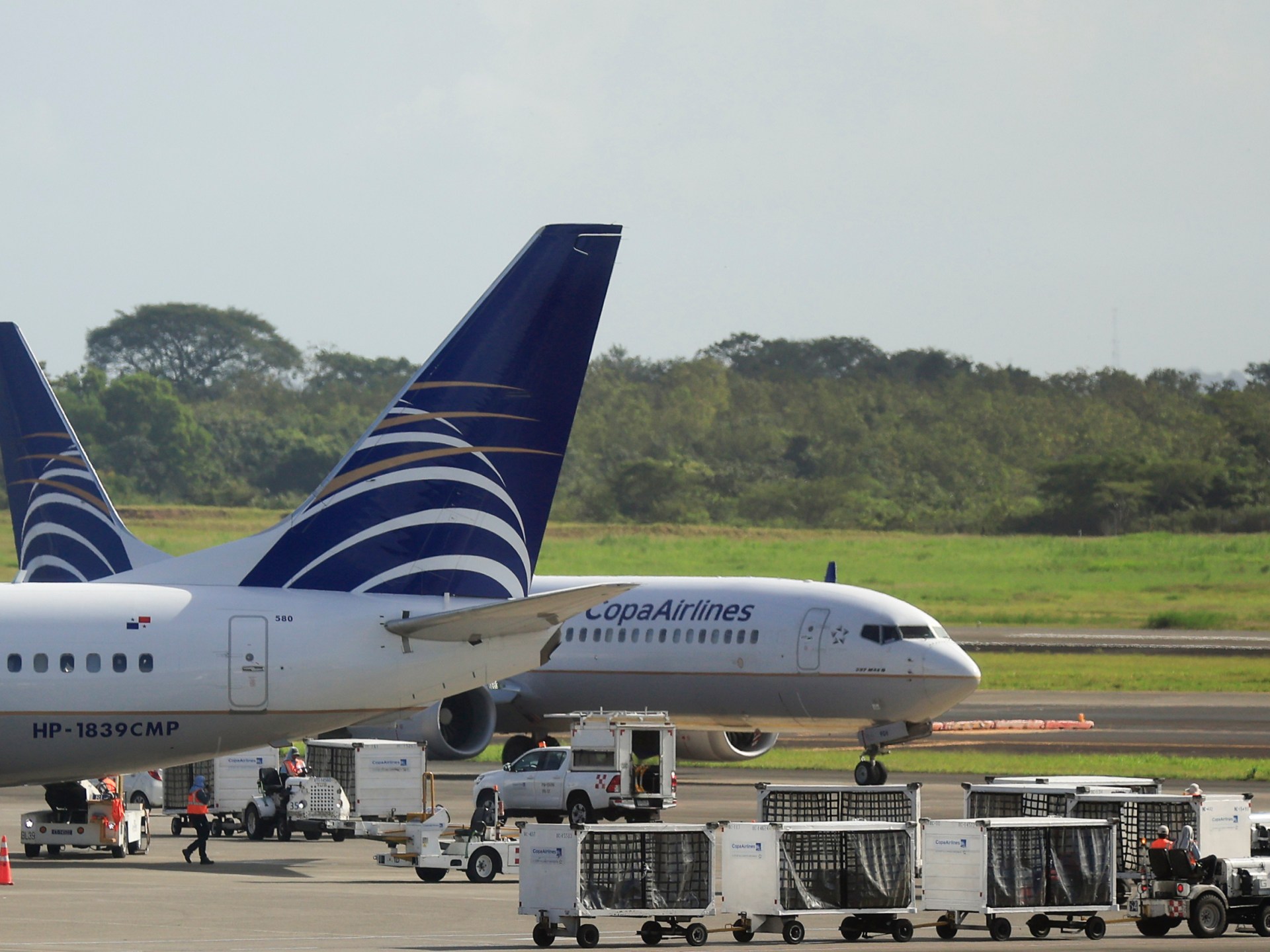
Panamanian carrier Copa Airlines and its Colombian budget subsidiary, Wingo, announced on a recent Wednesday evening that flights to and from Caracas would be temporarily suspended on December 4 and 5. They cited “intermittent problems today with one of the navigation signals during its flight to Caracas” as the primary reason for this preventative measure. Both companies assured the public that these interruptions “at no time compromised operational safety,” confirming that aircraft from both carriers experienced the signal issues.
Further compounding the travel disruption, Colombian state airline Satena and Bolivian flagship carrier Boliviana de Aviacion also cancelled their flights on Thursday. Satena suspended its route to Valencia, Venezuela’s third-largest city, while Boliviana cancelled its Caracas service. As of the time of reporting, neither airline had issued a public statement regarding their cancellations.
Following these widespread suspensions, Venezuela is now without any operational international commercial flights, although some national airlines continue to maintain international routes.
Escalating Tensions and FAA Warnings Preceded Ban
This dramatic halt in air travel follows a 90-day warning issued on November 21 by the US Federal Aviation Administration (FAA). The FAA had highlighted “the worsening security situation and heightened military activity in or around Venezuela,” alongside a substantial build-up of US forces in the Southern Caribbean, as significant risks to commercial planes in Venezuelan airspace. This warning had already prompted several major international carriers to suspend their flights.
President Trump’s declaration on Saturday that Venezuelan airspace was “closed in its entirety” served as the ultimate catalyst for the remaining carriers – Copa, Wingo, Satena, and Boliviana – to finally halt their services. These airlines were the last international operators to continue flights to Venezuela despite the preceding FAA warnings.
Impact on Venezuelan Diaspora and Holiday Travel
For the millions of Venezuelans living abroad, particularly the large diaspora in Colombia, these cancellations represent a fresh and severe setback. Many had planned to return home for the upcoming holidays, while others currently visiting Venezuela are now grappling with the immense challenge of returning to their residences abroad.
Juan Carlos Viloria Doria, vice president of Venezuelans in Barranquilla, a vital network for migrants in Colombia, expressed widespread concern. “Many people have shared their concerns over the cancellation of these flights,” he stated. “At this time of year in particular, people want to reunite with their family and friends for Christmas. It is unfortunate that due to the political situation, Venezuelans must live with so much uncertainty.”
The travel complications are significant, potentially forcing individuals within Venezuela to undertake perilous overland journeys to cross borders. Viloria urged Venezuelans to meticulously plan their travel in conjunction with family, friends, and established migrant networks, and to seek official information from government sources. As tensions escalate between Washington and Caracas, the approximately 2.8 million Venezuelan migrants in Colombia, the world’s largest such community, await further developments with apprehension.
By news
9 months ago
No cameras found for this country.