New York Times Sues Pentagon Over Restrictive Media Access Rules, Citing First Amendment Violations & Press Freedom Concerns
Dec 5, 2025
 United States
Media & Press Freedom
United States
Media & Press Freedom
United States
Media & Press Freedom
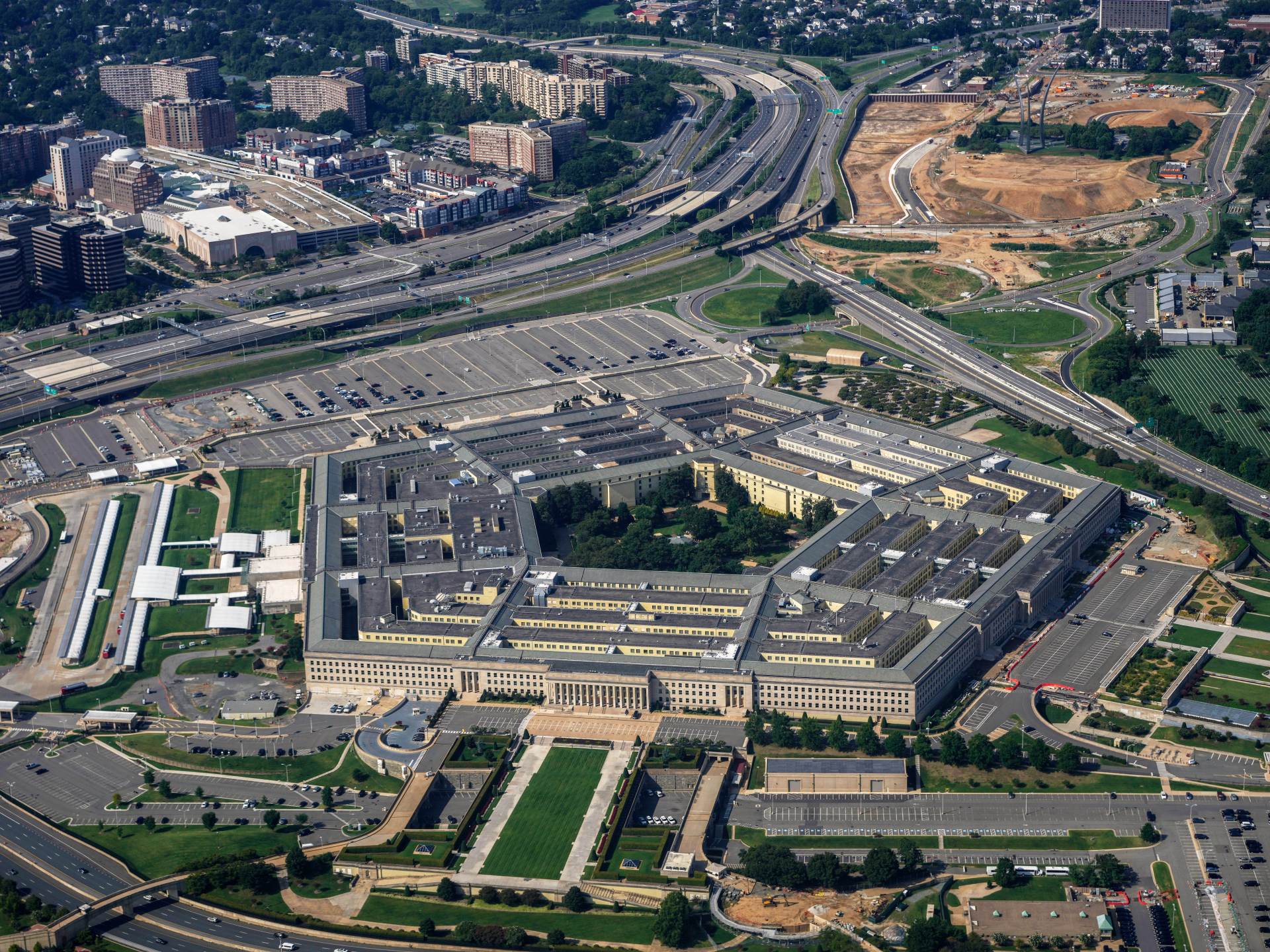
The New York Times has sued the Pentagon, challenging new rules that limit media access. The lawsuit argues Defense Secretary Pete Hegseth's policies violate Fi
New York Times Challenges Pentagon's Restrictive Media Access Rules
In a significant move challenging governmental transparency and press freedom, the New York Times, a prominent US media institution, has initiated legal action against the Pentagon. The lawsuit, filed on Thursday in the US District Court in Washington, DC, seeks to dismantle new regulations imposed by Defense Secretary Pete Hegseth that severely restrict media access to the Defense Department.
First Amendment Concerns at the Core of the Dispute
The Times asserts that these controversial rules directly contravene the First Amendment's fundamental guarantees of freedom of speech and the due process provisions enshrined in the US Constitution. The core of their argument lies in the discretion afforded to Hegseth, which, they claim, empowers him to unilaterally bar reporters he deems undesirable.
Reshaping the Pentagon Press Corps
This legal challenge comes after several major news organizations, including the New York Times, opted to vacate their offices within the Pentagon rather than comply with the new stipulations. This shift has significantly altered the composition of the Pentagon's press corps, now reportedly dominated by outlets perceived as more sympathetic to the current US President Donald Trump's administration.
Charles Stadtlander, spokesman for the Times, articulated the newspaper's concerns, stating, “The policy is an attempt to exert control over reporting the government dislikes.” The Pentagon has yet to issue an official response to the lawsuit.
Continued Reporting Amidst Access Restrictions
Despite the denial of direct access since October, news agencies have continued to report on military affairs from external locations, successfully breaking crucial stories. One such recent report detailed a “double-tap strike” on a vessel in the Caribbean, an incident that military experts suggest could potentially be classified as a war crime. Nonetheless, the Times contends that restricted access impedes journalists' capacity to perform their duties, thereby “depriv[ing] the public of vital information about the United States military and its leadership.”
The Pentagon's Controversial Policy Wording
The contentious policy, enacted under Secretary Hegseth, paradoxically acknowledges that receiving or publishing sensitive information “is generally protected by the First Amendment.” However, it introduces a crucial caveat: “soliciting the disclosure of such information may weigh in the consideration of whether you pose a security or safety risk.” The Times' lawsuit interprets this wording as a thinly veiled mechanism for Pentagon officials to remove reporters whose stories they find unfavorable.
Pentagon Defends Rules, Criticizes "Legacy Media"
In defense of its new rules, the Pentagon maintains that they constitute “common sense” measures designed to safeguard the military from the release of information that could jeopardize national security. Pentagon press secretary Kingsley Wilson, in a recent briefing, dismissed the absence of legacy media outlets, remarking, “The American people don’t trust these propagandists because they stopped telling the truth. So, we’re not going to beg these old gatekeepers to come back, and we’re not rebuilding a broken model just to appease them.”
Press Association Backs NYT's Stance
The Pentagon Press Association, representing journalists covering the agency, has voiced its encouragement for the New York Times' decisive action. In a statement, the association affirmed, “The Defense Department’s attempt to limit how credentialed reporters gather the news and what information they may publish is antithetical to a free and independent press and prohibited by the First Amendment,” underscoring the broader implications for journalistic integrity and public accountability.
By news
9 months ago