Congress Fumes Over Pete Hegseth's Secret Venezuela Strike Talk & Lack of Transparency
Dec 5, 2025
 United States
Politics
United States
Politics
United States
Politics
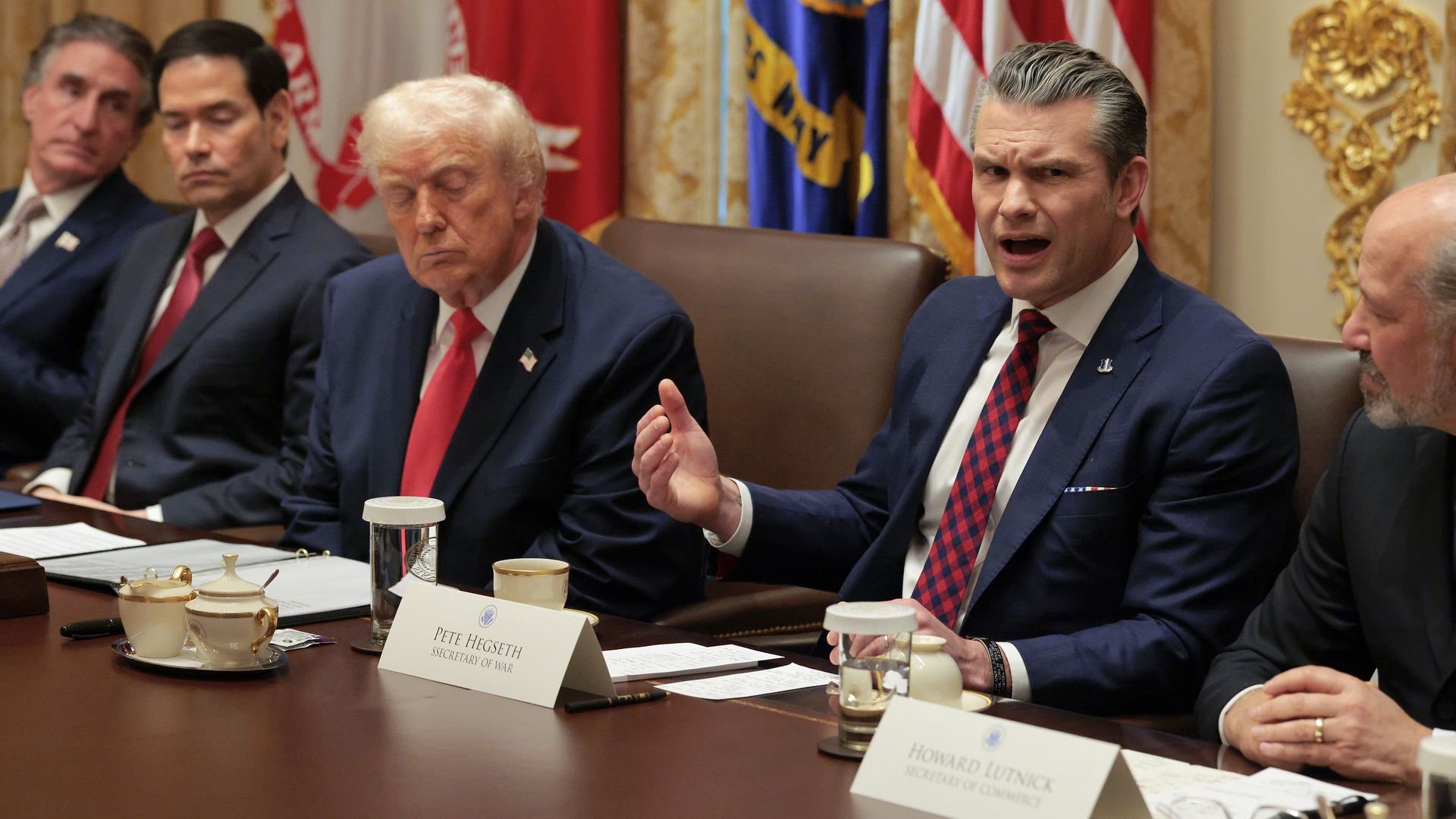
Congress expresses strong disapproval regarding Pete Hegseth's alleged secret discussions about a potential military strike in Venezuela, raising concerns over
Congress Alarmed by Pete Hegseth's Alleged Secret Venezuela Strike Discussions
The United States Congress has expressed strong disapproval regarding recent revelations concerning television commentator Pete Hegseth's alleged involvement in secret discussions about a potential military strike in Venezuela. Lawmakers across the political spectrum have deemed these actions "impermissible," citing grave concerns over transparency, accountability, and the proper channels for U.S. foreign policy and military engagement.
Concerns Over Unauthorized Discussions
The controversy stems from reports suggesting Hegseth, a prominent media figure often associated with conservative viewpoints, may have engaged in unauthorized conversations regarding sensitive military options outside established governmental processes. Congressional members are particularly agitated by the perceived lack of official oversight and the potential for a private citizen to bypass constitutional procedures for initiating or even discussing military action. This situation raises serious questions about who is authorized to deliberate on such critical national security matters and the implications of unofficial actors engaging in foreign policy discussions.
Calls for Investigation and Adherence to Protocol
Congressional leaders are calling for a thorough investigation to ascertain the full extent of Hegseth's involvement and to ensure that all discussions pertaining to U.S. military options are conducted within the appropriate government framework. The incident has reignited debates about the separation of powers, the role of unofficial advisors in national security, and the imperative for the executive branch to keep Congress fully informed on matters of war and peace, especially when contemplating military intervention in sovereign nations like Venezuela. The sentiment among many in Congress is that such sensitive deliberations must adhere strictly to established protocols to maintain democratic integrity and prevent unauthorized foreign policy interventions.
By news
9 months ago