
Catastrophic Floods Ravage Southeast Asia: Over 1,500 Dead Amid Deforestation Concerns
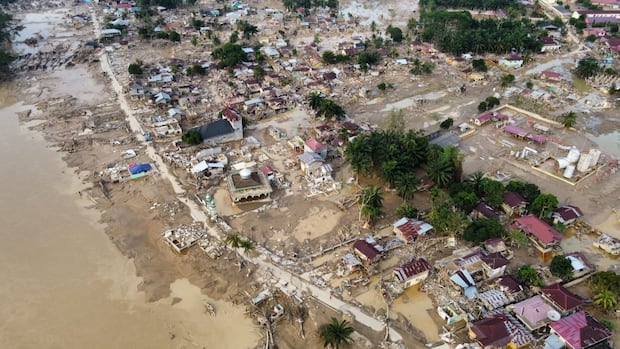
Southeast Asia is grappling with the devastating aftermath of last week's torrential floods and landslides, which have claimed over 1,500 lives. Rescue operations are in a desperate race against time as hundreds remain missing across the region, with renewed heavy rainfall forecasts threatening further calamity.
The grim statistics paint a dire picture: 836 confirmed dead in Indonesia, 479 in Sri Lanka, 185 in Thailand, and three in Malaysia. Vast areas, particularly in Indonesia and Sri Lanka, are still buried under mud and debris, leaving 859 individuals unaccounted for in these two nations alone. Beyond the immediate death toll, thousands are enduring severe shortages of food and clean water in isolated communities, with vital infrastructure like roads and bridges obliterated and communication lines severed.
A Disaster Worsened by Deforestation
Environmental experts and local communities alike are highlighting a critical factor amplifying the disaster: decades of unchecked deforestation. Industries like mining, expansive palm oil plantations, and illegal logging have stripped away Sumatra's natural defenses, leaving its landscapes vulnerable. These forests once played a crucial role in absorbing rainfall and stabilizing soil, protections now dangerously diminished.
"The disaster was not just nature's fury, it was amplified by decades of deforestation," stated Rianda Purba, an activist with the Indonesian environmental group WALHI. "Deforestation and unchecked development have stripped Sumatra of its resilience." The group reported an alarming loss of over 240,000 hectares of primary forest in 2024 alone. Another organization, Global Forest Watch, revealed that the three most affected Indonesian provinces — North Sumatra, West Sumatra, and Aceh — have collectively lost an area of forest larger than the state of New Jersey since 2000.
Rangga Adiputra, a 31-year-old teacher from West Sumatra whose home was swept away, voiced the community's frustration: "We need the government to investigate and fix forest management. We don't want this costly disaster to happen again." He pointed to the illegal logging that had scarred the hills above his village near Padang.
Government Pledges and Investigations
In response to the mounting crisis and public outrage, Indonesian President Prabowo Subianto has pledged significant policy reforms. After touring the flood-hit zones, he emphasized, "We must truly prevent deforestation and forest destruction. Protecting our forests is crucial."
Environment Minister Hanif Faisol Nurofiq announced an immediate investigation into eight companies suspected of exacerbating the disaster. He confirmed that environmental permits would undergo rigorous review, and future assessments must now incorporate extreme rainfall scenarios. "Someone must be held accountable," Nurofiq declared. Calls are also intensifying for the revocation of permits for companies operating in areas like Batang Toru, North Sumatra, where hundreds of hectares have been cleared for gold mining and energy projects, leading to exposed slopes and sediment-choked rivers.
Anxious Days Ahead
The impending forecast of heavy rain and thunderstorms across the region on Friday and Saturday brings renewed anxiety to survivors and aid workers. With saturated soil and swollen rivers, communities remain on high alert.
Safnida, a 67-year-old survivor now sheltering in an elementary school in Padang, reflected on her ordeal: "We can't expect life to always be good, right? I'm grateful to be alive while my house collapsed in the floods. At my age, I don't know if I can still survive." Her words echo the profound uncertainty and trauma facing countless individuals in the wake of this catastrophic event. The urgent need for reforestation and stringent environmental protection has never been clearer to prevent future tragedies of this scale.