Admiral to Lawmakers: Capsized Boat Survivors Didn't Radio for Backup During Double-Tap Strike
Dec 5, 2025
 United States
Military & Defense
United States
Military & Defense
United States
Military & Defense
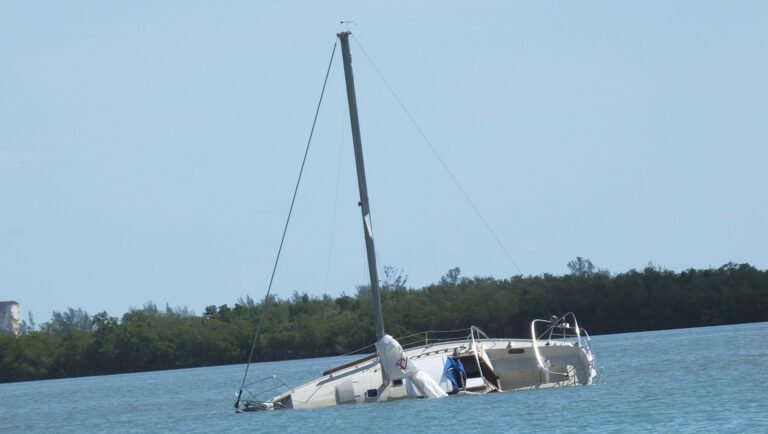
A top admiral informed lawmakers that survivors on a capsized vessel failed to radio for backup during a 'double-tap' strike incident. This revelation raises qu
Admiral Reveals No Distress Calls from Capsized Boat Survivors During Double-Tap Strike
In an exclusive and startling disclosure before a congressional committee, a top admiral overseeing a recent "double-tap" strike has revealed that survivors clinging to a capsized vessel failed to transmit any radio distress calls. This testimony, immediately sparking intense debate, casts a new light on potential communication breakdowns and the operational intricacies surrounding highly controversial military actions.
Questions Emerge Over Communication Protocols
The admiral's statement suggests a critical absence of standard emergency protocols from the survivors. This absence prompts a multitude of questions regarding their communication capabilities, the functional status of their equipment, or perhaps the rapid and overwhelming nature of the incident itself. A 'double-tap' strike, a military tactic often involving a follow-up attack shortly after an initial one, frequently draws significant scrutiny. This newly disclosed detail adds a profound layer of complexity to the ongoing efforts to understand the sequence of events.
Impact on Investigations and Future Doctrine
During the high-stakes hearing, the admiral explicitly emphasized that the lack of any radio contact meant naval forces operating in the vicinity were not alerted to the immediate plight of those on the capsized boat through conventional distress signals. This crucial revelation could significantly impact ongoing inquiries into the strike's execution and the subsequent response, or lack thereof, to the maritime casualties. Lawmakers are anticipated to delve much deeper into these claims, seeking urgent clarity on established protocols for assessing civilian presence, engaging in rescue operations, and the overall chain of command during such sensitive military engagements. The implications of this pivotal testimony are far-reaching, with the potential to influence future naval doctrine and international maritime law discussions concerning accountability and transparency in conflict zones.
By news
9 months ago