
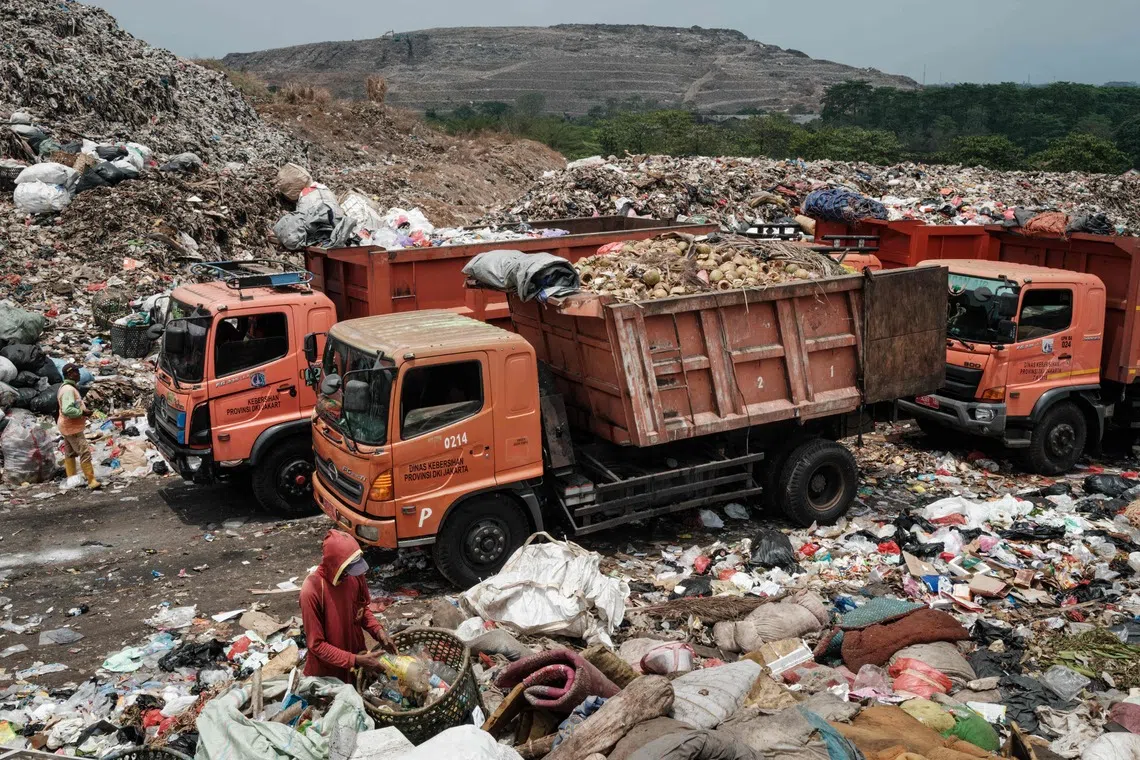
Alarming Study Reveals Toxic Chemical Exposure in Indonesia's Waste Workers
Indonesia's vital waste pickers and sorters, often considered the unsung heroes of the nation's recycling efforts, are grappling with alarming health risks. A recent groundbreaking study has uncovered dangerously high concentrations of toxic chemicals in their bloodstreams, a direct consequence of chronic exposure to microplastics.
These dedicated individuals, frequently working in low-wage conditions, form the crucial backbone of a system that manages a staggering 56.6 million tonnes of waste Indonesia produces annually, as reported by its Environment Ministry. Their daily work, essential for waste management, unfortunately places them at severe environmental and health disadvantages.
Collaborative Research Uncovers Hidden Dangers
The comprehensive study, meticulously conducted between August and November, was a significant collaborative effort. Leading the research was the Wonjin Institute for Occupational Environmental Health (WIOEH), partnering with the vigilant environmental watchdog Ecological Observation and Wetlands Conservation (Ecoton), and the esteemed Faculty of Medicine at Indonesia's Airlangga University. Their crucial findings, originating from locations such as Surabaya, highlight a critical public health issue that demands immediate attention and systemic solutions for this vulnerable workforce.
The implications of this research extend beyond the individuals, pointing to broader concerns about plastic pollution and its pervasive impact on human health, particularly in regions with intensive waste management challenges like Indonesia.