Yemen Civil War Escalation Feared: Separatism, Regional Tensions & What You Need to Know
Dec 5, 2025
 Yemen
Middle East Conflict
Yemen
Middle East Conflict
Yemen
Middle East Conflict
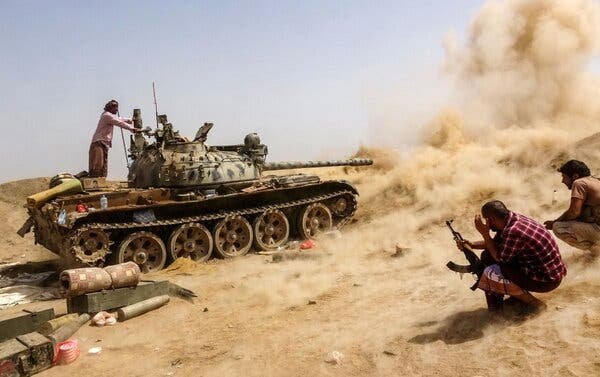
Concerns rise over potential escalation in Yemen's civil war, fueled by separatist movements and regional rivalries. This analysis explores key factors and the
Note to Reader: The original article content could not be retrieved due to a '403 Client Error: Forbidden'. The following analysis is a hypothetical exploration based on the provided title, 'Yemen’s Civil War Could Escalate Again. Here’s What to Know.', and general knowledge about the ongoing conflict in Yemen.
Yemen on the Brink: A Renewed Threat of Escalation
The protracted conflict in Yemen, often dubbed the world's worst humanitarian crisis, faces a renewed threat of escalation, potentially plunging the already devastated nation deeper into turmoil. Recent developments and long-standing grievances suggest that the fragile ceasefires and diplomatic efforts could unravel, leading to a dangerous new phase in a war that has claimed hundreds of thousands of lives and displaced millions.
The Shadow of Separatism Looms Large
A key factor contributing to the heightened tensions is the resurgence of separatist ambitions in Yemen's south. The Southern Transitional Council (STC), backed by the United Arab Emirates, has long sought an independent South Yemen, echoing a historical division that predates the 1990 unification. Clashes between STC forces and units loyal to the internationally recognized government have frequently flared, even as both nominally oppose the Houthi rebels controlling the north. Any significant move towards southern independence could fracture the anti-Houthi coalition and spark a new internal conflict, creating a multi-front war with devastating consequences.
Houthi Advance and Regional Dynamics
In the north, the Houthi movement (Ansar Allah) continues to consolidate its control over Sana'a and other key territories. Their strategic objectives remain focused on establishing their authority and resisting external interference. Regional power dynamics, particularly the rivalry between Saudi Arabia and Iran, continue to fuel the conflict. While a Saudi-Houthi truce has largely held for periods, the underlying issues remain unresolved. Any breakdown in this fragile understanding, perhaps triggered by cross-border attacks or perceived provocations, could reignite the full intensity of the Saudi-led coalition's military operations.
Economic Collapse and Humanitarian Catastrophe
Beneath the political and military maneuvering lies an exacerbated humanitarian catastrophe. Yemen's economy is in tatters, with widespread poverty, food insecurity, and a collapsed healthcare system. The population is heavily reliant on international aid, which itself is often hampered by blockades and bureaucratic obstacles. A renewed escalation would undoubtedly worsen these conditions, pushing millions closer to famine and disease, and further complicating the efforts of aid agencies.
International Efforts and the Path Forward
The international community, led by the United Nations, has repeatedly attempted to broker a lasting peace deal. These efforts typically focus on a nationwide ceasefire, humanitarian access, and a comprehensive political process involving all warring factions. However, deeply entrenched mistrust, conflicting agendas, and external influences have consistently undermined these initiatives. For a true de-escalation, sustained diplomatic pressure, genuine commitment from all parties, and a clear path for inclusive governance are essential. Without these, Yemen's civil war risks spiraling into yet another destructive chapter.
By news
9 months ago
No cameras found for this country.