US Pressures Europe Over €90BN Ukraine Loan from Frozen Russian Assets, Sparking EU Internal Debate
Dec 5, 2025
 Belgium
Geopolitics
Belgium
Geopolitics
Belgium
Geopolitics
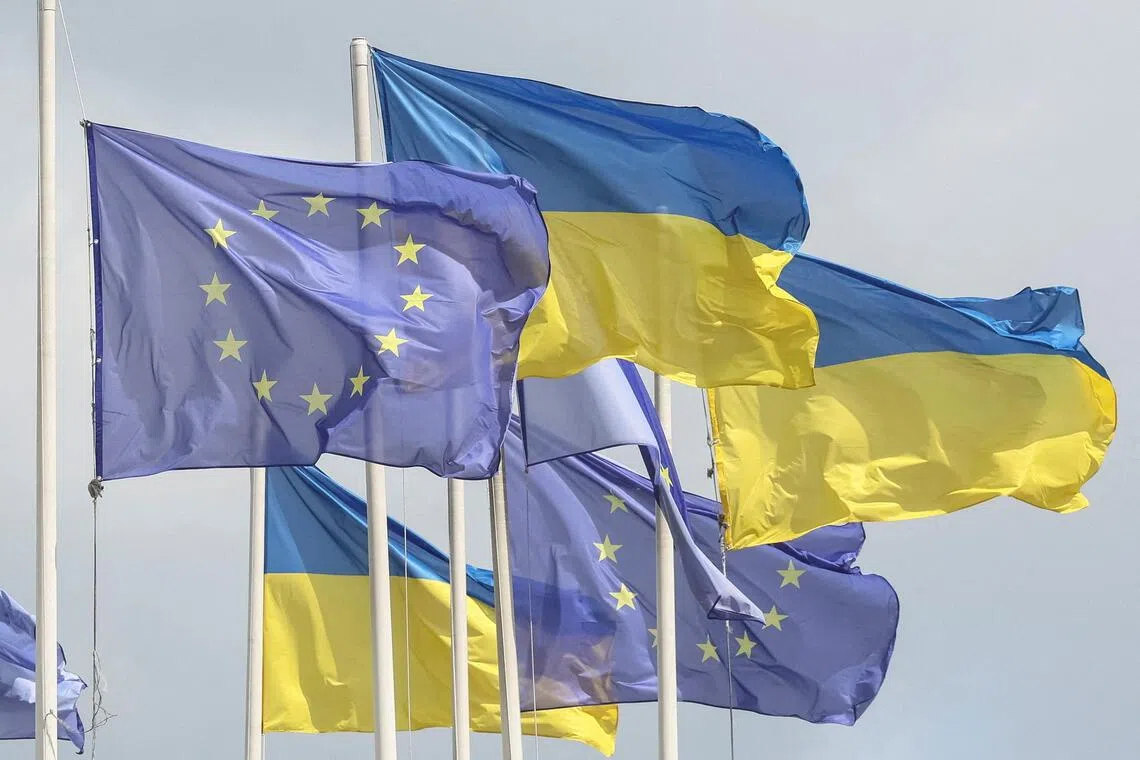
The US lobbies European nations to oppose an EU €90BN loan to Ukraine, backed by frozen Russian assets, sparking debate over peace deal leverage and EU internal
US Pressures Europe Over €90 Billion Ukraine Loan Backed by Frozen Russian Assets
The intricate geopolitical situation surrounding financial aid for Ukraine has intensified, as reports indicate the United States is actively lobbying European Union member states to reject a proposed €90 billion loan for Kyiv. This substantial financial package, designed to meet Ukraine’s economic and military needs over the next two years, is intended to be secured against immobilised Russian central bank assets currently held within the EU.
US Stance: Assets as Peace Deal Leverage
According to European diplomats who spoke anonymously, US officials have presented arguments to member states contending that these frozen assets should not be utilised to prolong the conflict. Instead, Washington suggests reserving these funds as a crucial bargaining chip to facilitate a future peace agreement between Kyiv and Moscow. This position appears consistent with previous reports of the US encouraging Ukraine towards a potentially "lopsided" peace settlement with Russia and eyeing these assets for US-led postwar investment initiatives.
Ukraine faces a precarious financial situation, with projections indicating potential insolvency by early 2026. This crisis is compounded by significant reductions in US aid under President Donald Trump’s administration, effectively shifting a greater financial burden onto European shoulders.
EU's Sovereign Stance and Internal Hurdles
The European Union's proposal, tabled this week, seeks to utilise approximately €210 billion in frozen Russian assets located on EU territory, with the possibility of accessing additional funds from 2028 onwards. Despite US lobbying, European leaders have firmly asserted their sovereign right over these funds. German Chancellor Friedrich Merz, a strong proponent of deploying these assets for Ukraine's benefit, unequivocally stated on December 4th:
"There is no possibility of leaving the money we mobilise to the US. The American government knows this, and this is also the German government’s negotiating position. This is also the consensus at the European level. There are absolutely no differences of opinion on this. This money must flow to Ukraine – it must help Ukraine."
However, the EU plan, while united against external pressure, faces significant internal opposition. Belgium, which holds the majority of the frozen assets, has expressed considerable reservations. Belgian Prime Prime Minister Bart De Wever's government is seeking robust guarantees to ensure it will not be solely responsible for any future legal claims should Moscow succeed in recovering the assets. Belgium also fears that such a move could expose Europe, and its companies, to severe Russian retaliation. Although Belgium has received hundreds of millions of euros in tax revenue from these immobilised funds, which it claims are used to aid Ukraine, its current resistance remains a primary obstacle ahead of a crucial EU leaders’ summit later in December.
Addressing Belgian Concerns and Broader Opposition
Chancellor Merz is scheduled to travel to Brussels on December 5th for talks with Belgian Prime Minister De Wever and European Commission President Ursula von der Leyen. Merz aims not just to persuade, but to convince Belgium, acknowledging the validity of their concerns. He stated from Berlin that if this path is taken, it is "to help Ukraine, possibly for the next two to three years."
Beyond Belgium, Hungary also stands against the proposed plans, and Slovakia has indicated it will not support any proposals that provide military assistance to Ukraine. Despite these dissenting voices, approval for the plan would only require a qualified majority of member states, potentially allowing it to proceed.
The EU's proposal clarifies that the Russian assets would remain frozen, and Kyiv would only be obliged to repay the loan if Russia agrees to finance Ukraine's reconstruction and provide compensation for war damages. An alternative option floated by the European Commission, involving the issuance of joint debt, has been largely rejected by member states, including Germany. This option is deemed improbable due to its requirement for unanimous approval.
By news
9 months ago