LGBT Survivors Expose 'Barbaric' NHS Electric Shock Therapy
The BBC's recent investigation has uncovered a dark chapter in the history of the UK's National Health Service (NHS), revealing that over 250 LGBT individuals were subjected to "barbaric" electric shock aversion therapy (ESAT) between 1965 and 1973. This harrowing practice, designed to alter sexual preferences and gender identity, has left survivors with profound and lasting psychological scars. The revelations have now spurred the government to launch an investigation into the historical use of ESAT within the NHS.
Survivor Testimonies: A Legacy of Pain
Three individuals, who were teenagers at the time of their treatment, have bravely shared their experiences, detailing the physical agony and enduring mental trauma. Jeremy Gavins, now 72, recounts receiving shocks so severe they caused him to lose consciousness, waking up three days later in the hospital. He describes the pain as "somebody sticking a jagged knife in the side of your arm and scraping it down," a trauma that has led to lifelong PTSD, depression, and an inability to form relationships. Gavins, who was referred by his GP at 17, recently received a "heartfelt" apology from the Roman Catholic Diocese of Leeds, acknowledging the lack of compassion from his former school clergy.
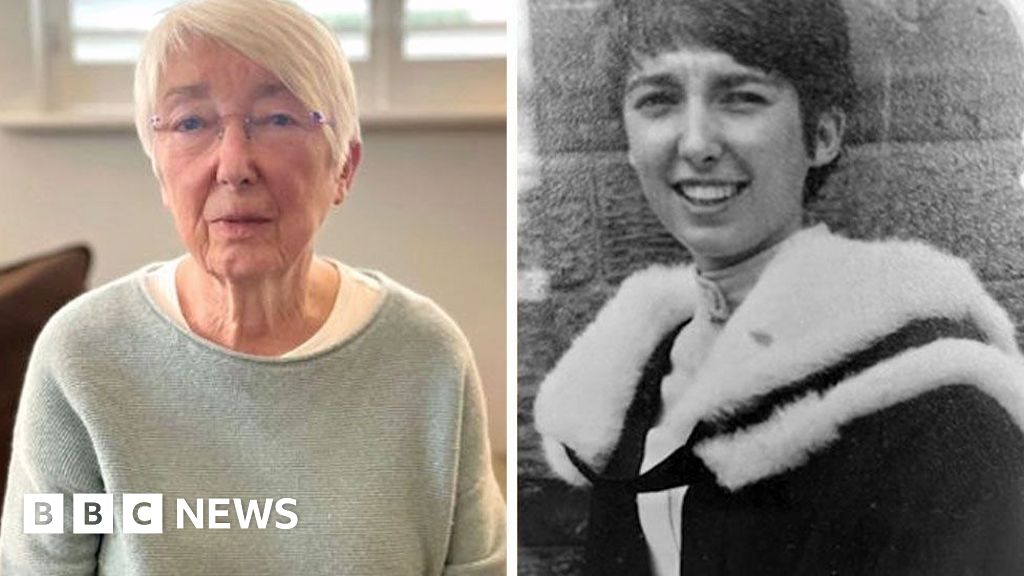
Pauline Collier, 80, was just 19 and "psychologically vulnerable" when she underwent ESAT at Crumpsall Hospital in Manchester. She vividly remembers the "very anxious and very frightened" moments before each shock, which were administered after she was shown photographs. "It did damage me," she states, recalling approximately 20 sessions, each involving about a dozen shocks.
Carolyn Mercer, 78, who always felt female despite being born male, was sent for ESAT at Blackburn Hospital at 17 after confiding in a local priest. She labels the treatment as "cruel, barbaric punishments — torture, not therapy," describing the excruciating pain that racked her body.
The Horrors of Electric Shock Aversion Therapy
ESAT was a form of conversion practice aimed at associating same-sex attraction with pain. Patients, some as young as 12, were strapped to a chair with electrodes on their limbs. They were shown images of men or women and then subjected to painful electric shocks, sometimes for up to an hour. The BBC's extensive research into old medical journals and doctors' books from the era reveals that while many were listed as "volunteers," others were referred by courts, classified with psychological illnesses, or were children. Many reported coercion from teachers, courts, or employers, often under threat of expulsion or job loss, and were explicitly told not to inform their parents.
The largest documented trial took place at Crumpsall Hospital in Manchester, where 73 individuals were treated under Dr. Philip Feldman and Dr. Malcolm MacCulloch. Manchester University, which oversaw these trials, has expressed "regret and sorrow" for its involvement, acknowledging the now-unethical and harmful attitudes prevalent at the time.
Widespread Practice and Calls for Justice
Professor Hel Spandler, a historian specializing in psychiatry and LGBT+ health, suggests the true scale of ESAT was far greater than the 250 confirmed cases, potentially reaching close to 1,000 across the UK. She describes it as a "cottage industry" where treatments were often unrecorded, disguised as "cutting-edge behavioural science," but ultimately causing "profound harm and lifelong trauma."
Lord Chris Smith, the UK's first openly gay MP, has condemned the historical practice as "horrifying" and "inhumane," particularly its imposition by the NHS. He has called for a formal apology from both the government and the NHS.
Government Response and Future Commitments
While the British Psychological Society abandoned ESAT, and NHS England along with the Royal College of Psychiatrists pledged to cease conversion therapy in 2017, these practices remain legal in the UK, reportedly occurring in private homes, churches, and through some therapists.
Following the BBC's investigation, Minister for Equalities Olivia Bailey confirmed the government's commitment to investigating the historical use of ESAT. She stated, "Conversion practices are abuse – such acts have no place in society and must be stopped," reaffirming the government's plan to introduce a "full, trans-inclusive ban" on conversion practices, as outlined in the King's Speech.