Jan. 6 Pipe Bomb Suspect Arrested, Defense Sec. Scrutinized Over Deadly Boat Strike, & SCOTUS Rules on Texas Map
Dec 5, 2025
 United States
US National News & Politics
United States
US National News & Politics
United States
US National News & Politics
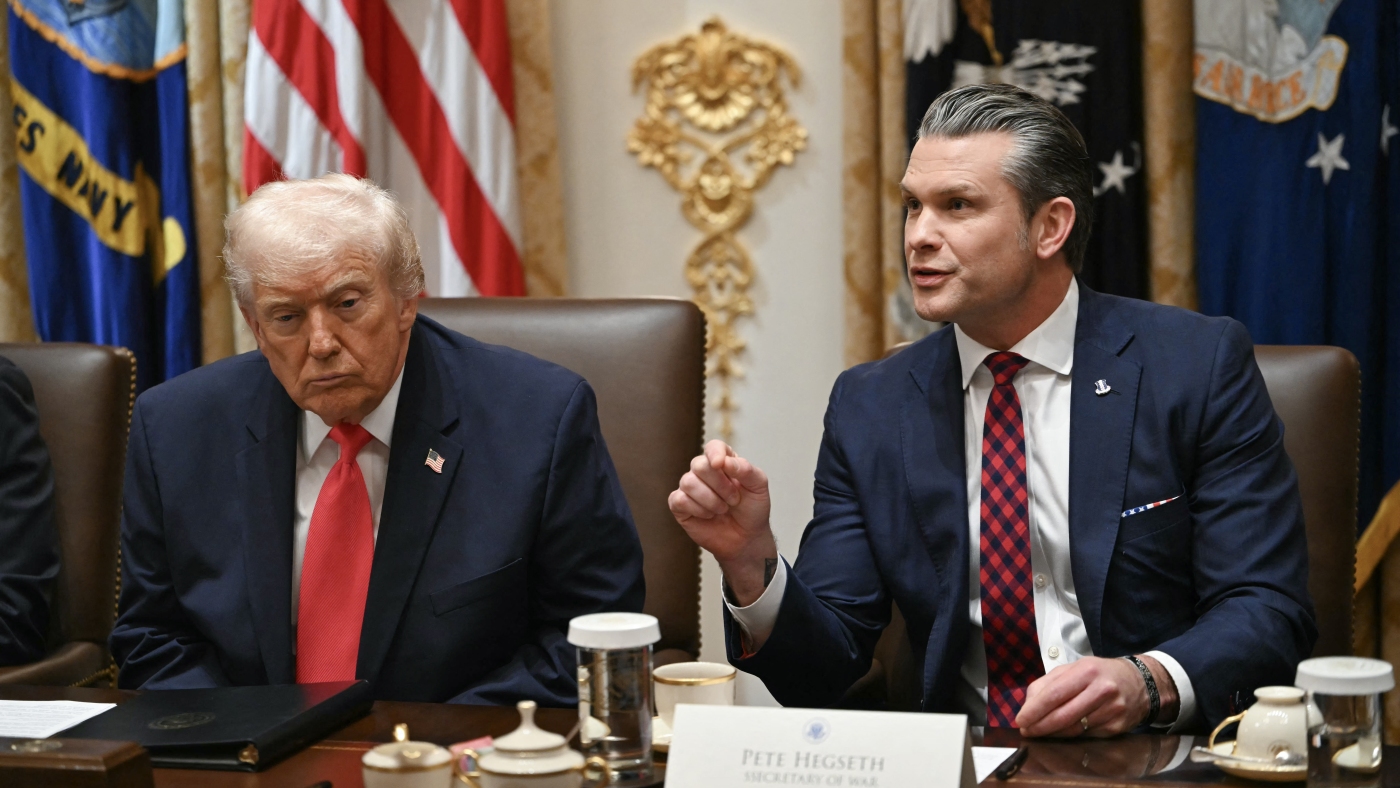
A suspect in the Jan. 6 pipe bomb case was arrested in Virginia. Defense Sec. Hegseth faced scrutiny over a deadly Caribbean boat strike video. The Supreme Cour
Good morning, and welcome to your essential news briefing. Today's headlines bring significant developments from national security to the Supreme Court.
Jan. 6 Pipe Bomb Suspect Apprehended
After years of intensive investigation, the FBI has announced the arrest of a suspect believed to be responsible for placing pipe bombs near the U.S. Capitol complex on January 6, 2021. Thirty-year-old Brian J. Cole Jr. was taken into custody in Woodbridge, Virginia. He faces serious federal charges, including the transportation of an explosive device via interstate commerce and attempted malicious destruction using an explosive device, according to an arrest warrant filed in his case.
The FBI affidavit details compelling financial evidence, indicating Cole purchased items consistent with those used to construct the pipe bombs found by authorities. Furthermore, cellphone location data places the suspect's device near the U.S. Capitol on the night the bombs were planted. Further details regarding Cole's potential motives are anticipated to emerge as the Justice Department proceeds with the prosecution in court over the coming months.
Defense Secretary Under Fire Amid Deadly Boat Strike Video and Signal App Use
Defense Secretary Pete Hegseth found himself at the center of congressional scrutiny yesterday, facing challenges on two distinct fronts. Lawmakers were shown a closed-door video depicting a controversial second round of strikes on an alleged drug boat in the Caribbean, an incident that tragically resulted in the deaths of two survivors. Simultaneously, Hegseth was criticized for his unauthorized use of the encrypted messaging app Signal to discuss a U.S. attack on Yemen, raising questions about protocol and security.
During the private session, Navy Adm. Frank M. Bradley, who oversaw the Caribbean operation, staunchly defended the second strike. He asserted that the survivors were actively communicating with accomplices via radio and attempting to recover drugs from the damaged vessel, which he stated necessitated the follow-up action. While Republican members of Congress continue to back these interdiction efforts, Democratic lawmakers are demanding the public release of the full video footage and holding Secretary Hegseth ultimately responsible for the operation.
Supreme Court Greenlights Texas' Controversial Congressional Map
In a significant ruling with immediate political ramifications, the Supreme Court has permitted Texas to implement its new congressional map. This decision could potentially grant the Republican Party an additional five seats in the U.S. House, providing a crucial boost to President Trump and the GOP in ongoing gerrymandering battles. The High Court overturned a lower court’s finding that the map likely exhibited racial discrimination in its design.
The conservative majority on the Supreme Court largely accepted the arguments put forth by Texas state lawmakers. These legislators claimed their motivations for redrawing district lines were not racially driven but rather explicitly aimed at increasing the electoral prospects of Republican candidates. The Supreme Court's involvement in redistricting cases is far from over, with a major voting rights case concerning Louisiana's congressional map still awaiting a ruling. The outcome of this particular case could trigger another wave of congressional gerrymandering across Southern states, reshaping political landscapes.
Beyond the Headlines: Culture, Arts, and Tech Updates
Arts & Entertainment Highlights
- Paul Tazewell, the acclaimed costume designer for Wicked: For Good, made history as the first Black man to win an Academy Award for costume design, with his imaginative work bringing the magical world to life on screen.
- This weekend's cultural picks include a comprehensive guide to notable holiday movies, the novel The Aquatics set in a fictional African country, and the final 2025 episode of New Music Friday featuring releases from Dove Ellis and TEED.
- The Alvin Ailey American Dance Theater launched its first season under new artistic director Alicia Graf Mack, featuring five world premieres including Maija García's Jazz Island.
- Gaming fans are discussing Metroid Prime 4: Beyond, which received mixed reviews from NPR producer Vincent Acovino, praising its sound but criticizing its puzzle-solving and sidekicks.
Tech & Science Briefs
- Spotify Wrapped is offering users a quirky "listening age" this year, calculated based on the era of music they listen to most compared to their peers.
- Pantone has announced its 2026 Color of the Year for the first time ever, a shade of white, symbolizing a "calming influence."
- Canadian Museum of Nature researchers have identified a new species of rhino that roamed Canada's High Arctic 23 million years ago, altering the understanding of ancient animal dispersal across continents.
By news
9 months ago