US Envoy Charles Kushner's Request to Visit Ex-French President Nicolas Sarkozy in Jail Approved by Paris Court
Dec 5, 2025
 France
Politics
France
Politics
France
Politics
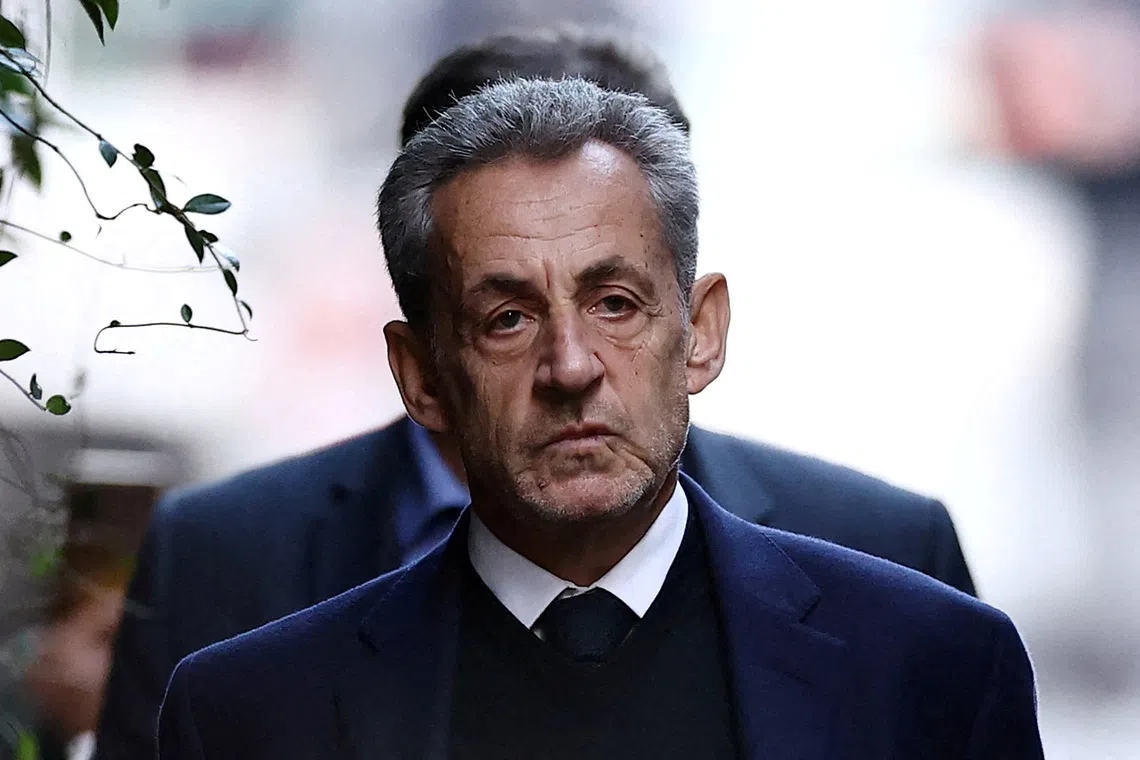
US Ambassador Charles Kushner's request to visit ex-French President Nicolas Sarkozy in jail was approved, though the meeting occurred outside. Sarkozy denies L
US Envoy Charles Kushner Sought Jail Meeting with Ex-French President Nicolas Sarkozy
A striking diplomatic incident unfolded as Charles Kushner, the United States ambassador to France, sought permission to visit former French President Nicolas Sarkozy during his recent incarceration. The Paris appeals court confirmed it granted the U.S. envoy's request for a jail meeting. While the direct prison visit ultimately did not take place, a source close to Sarkozy confirmed that Kushner and the former president did meet outside the prison walls.
Sarkozy's Legal Troubles and Kushner's Past
Sarkozy, a conservative leader who governed France from 2007 to 2012, had just completed a three-week jail sentence last month. His imprisonment stemmed from a conviction for conspiring to raise funds from Libya, a charge he has consistently and vehemently denied as he pursues an appeal.
Ambassador Kushner, whose prominent family ties include his son Jared's marriage to Ivanka Trump, has been a notable figure since his arrival in Paris earlier this year. His own past includes serving a jail sentence in the United States for offenses like illegal campaign contributions and tax evasion, for which he received a presidential pardon from then-President Donald Trump in 2020.
Unclear Motives Amidst Diplomatic Tensions
The precise motivations behind Kushner's desire to meet Sarkozy remain unclear. Reuters was unable to ascertain the specific reasons for the request. Interestingly, Sarkozy also received a visit in jail from his former protégé, French Justice Minister Gerald Darmanin. The U.S. Embassy in Paris and the State Department offered no immediate comment on the matter. The source close to Sarkozy only revealed that the former president intends to detail this unusual episode in his forthcoming book, "The Journal of a Prisoner," slated for release next week.
US Criticism of French Justice System
This event occurs against a backdrop of ongoing criticism from senior U.S. officials, including former President Trump, who have publicly accused French courts of biased treatment towards conservative politicians. These officials suggest such actions aim to undermine their support and prevent them from holding power. For example, when far-right leader Marine Le Pen was convicted of embezzlement and barred from the 2027 election earlier this year, Trump labeled it an instance of "lawfare." A State Department delegation reportedly met with Le Pen's team after her conviction, offering support, which her aides reportedly declined.
Trump administration officials have frequently intervened in European political discourse, condemning what they perceive as the suppression of right-wing politicians across countries like Romania, Germany, and France. They accuse European authorities of censoring views, particularly criticism of immigration, under the guise of countering disinformation. Earlier this year, Ambassador Kushner himself was summoned by the French Foreign Ministry after publishing an open letter to President Emmanuel Macron, alleging France's insufficient efforts to combat antisemitic violence. Similarly, when a Paris court ordered Sarkozy's jailing in September, the former French leader himself decried the decision as an assault on the rule of law and public trust in the justice system.
By news
9 months ago