US Panel's Hepatitis B Vaccine Shift for Newborns Sparks Widespread Concern Among Experts & Pharma | Public Health Risks Feared
Dec 6, 2025
 United States
Health Policy
United States
Health Policy
United States
Health Policy
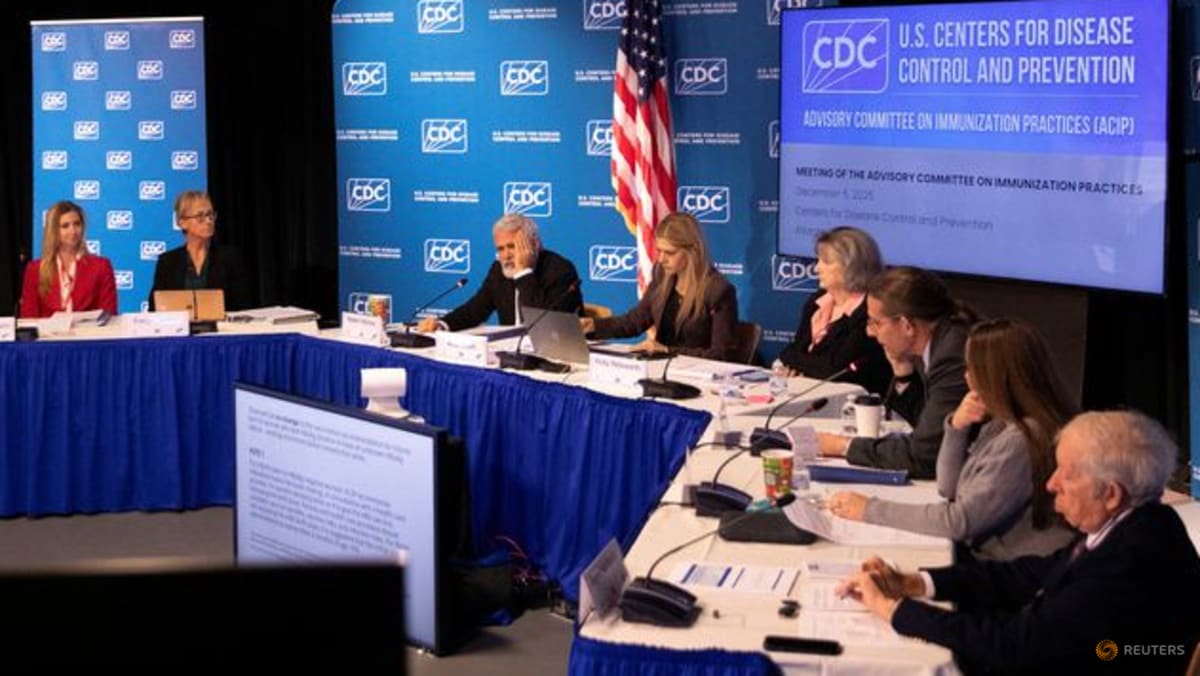
A US advisory panel's decision to drop the universal hepatitis B vaccine recommendation for newborns draws strong criticism from vaccine makers and health exper
US Panel's Shift on Newborn Hepatitis B Vaccine Ignites Widespread Health Concerns
A recent decision by a prominent U.S. advisory panel to abandon its long-standing recommendation for universal hepatitis B vaccination at birth has ignited a firestorm of concern among vaccine manufacturers and public health experts. This controversial shift, voted upon by the Advisory Committee on Immunisation Practices (ACIP) at the Centers for Disease Control and Prevention (CDC) in Atlanta on December 5, 2025, threatens to undo decades of progress in preventing a severe disease.
Decades of Progress at Risk
Since 1991, the universal birth dose of the hepatitis B vaccine has been a cornerstone of infant health worldwide, leading to a remarkable 99% reduction in acute hepatitis B cases among children and young adults in the U.S. Merck, a major producer of the Recombivax HB vaccine, expressed profound dismay, warning that the move "puts infants at unnecessary risk of chronic infection, liver cancer and even death." The company emphasized the lack of evidence supporting any benefit from delaying vaccination.
Hepatitis B, a viral infection that can be transmitted from mother to child during childbirth, can lead to debilitating liver disease and premature mortality, with no known cure. Data from the National Foundation for Infectious Diseases highlights the vaccine's success, crediting the universal birth dose with preventing over 500,000 childhood infections, slashing infant cases by 95%, and averting an estimated 90,100 deaths.
New Recommendation Divides Experts
The committee's new recommendation advises that only infants born to mothers testing positive for hepatitis B should receive the birth dose. For infants whose mothers test negative, parents are now directed to consult with a healthcare provider to decide if or when to begin the vaccine series. This departure from a universal approach marks a significant policy change, drawing strong condemnation from infectious disease experts and various professional organizations representing pediatricians, pharmacists, and public health professionals.
Influence of Vaccine Skepticism
A key factor in this policy shift appears to be the influence of new committee members, many of whom were appointed by U.S. Health and Human Services Secretary Robert F. Kennedy Jr., a known vaccine skeptic. These members reportedly questioned vaccine safety data and suggested the U.S. vaccine schedule was out of step with countries like Denmark, which has low hepatitis B rates despite different vaccination protocols.
Industry Reaction and Future Outlook
Vaccine makers reacted swiftly to the news. Merck and GSK, producer of Engerix-B (approved since 1989 with 1.4 billion doses administered globally), both saw their shares fall by approximately 1% following the vote. Conversely, Sanofi, another hepatitis B shot manufacturer, saw its US-listed shares rise slightly by about 0.7%. GSK reaffirmed its confidence in the science behind its vaccine and awaits the CDC's formal adoption of the recommendation to fully assess its implications.
Merck has urged the ACIP to reinstate liaison organizations and frontline clinicians into its work groups, stressing that discussions led by medical and scientific experts are "essential to informing sound, evidence-based recommendations that safeguard public health." The implications of this decision on infant health and public trust in immunization programs remain a critical focus for the coming months.
By news
9 months ago