WV Questions DC National Guard Deployments After Attack on Two Soldiers; Community Seeks Answers
Dec 6, 2025
 United States
National Security
United States
National Security
United States
National Security
West Virginians are questioning National Guard deployments to Washington D.C. after an attack on two soldiers, one fatally. The tragic incident sparks debate ov
West Virginia Questions National Guard Deployments After Tragic DC Attack
The heart of West Virginia, a state deeply ingrained with military tradition, is grappling with profound questions following a tragic incident in Washington D.C. Army Specialist Sarah Beckstrom died, and Air Force Staff Sergeant Andrew Wolfe was wounded, in a targeted attack near the White House. The assailant was described as an Afghan refugee with past ties to the U.S. military and CIA. This heartbreaking event has cast a harsh spotlight on President Trump's controversial National Guard deployments to American cities, prompting a wave of introspection and criticism even within this staunchly patriotic state.
The Controversial Deployment and Public Outcry
The deployments, championed by the Trump administration as a crime-fighting measure, have faced legal and political scrutiny from federal judges and Democratic leaders. But in West Virginia, where military service is not just a patriotic duty but often an economic lifeline, the questioning runs deeper. Residents are baffled by reports that their Guard members were assigned to tasks like trash pickup and landscaping, rather than security, igniting outrage over what many perceive as a misuse of their dedicated soldiers.
A State's Sacrifice: Sarah Beckstrom's Story
Twenty-year-old Sarah Beckstrom hailed from Webster Springs, a small town of just 800 people nestled amidst mountains. Her former school bus driver, Kenny Kidd, fondly remembers Sarah as "a great kid" with an ever-present smile, always ready to lend a hand. In a region where traditional industries like coal mining are fading, job prospects for high school graduates are scarce. The National Guard often presents a vital path: bonuses for college, steady pay from drills, and extra income from deployments.
Motivation for Service: Beyond Patriotism
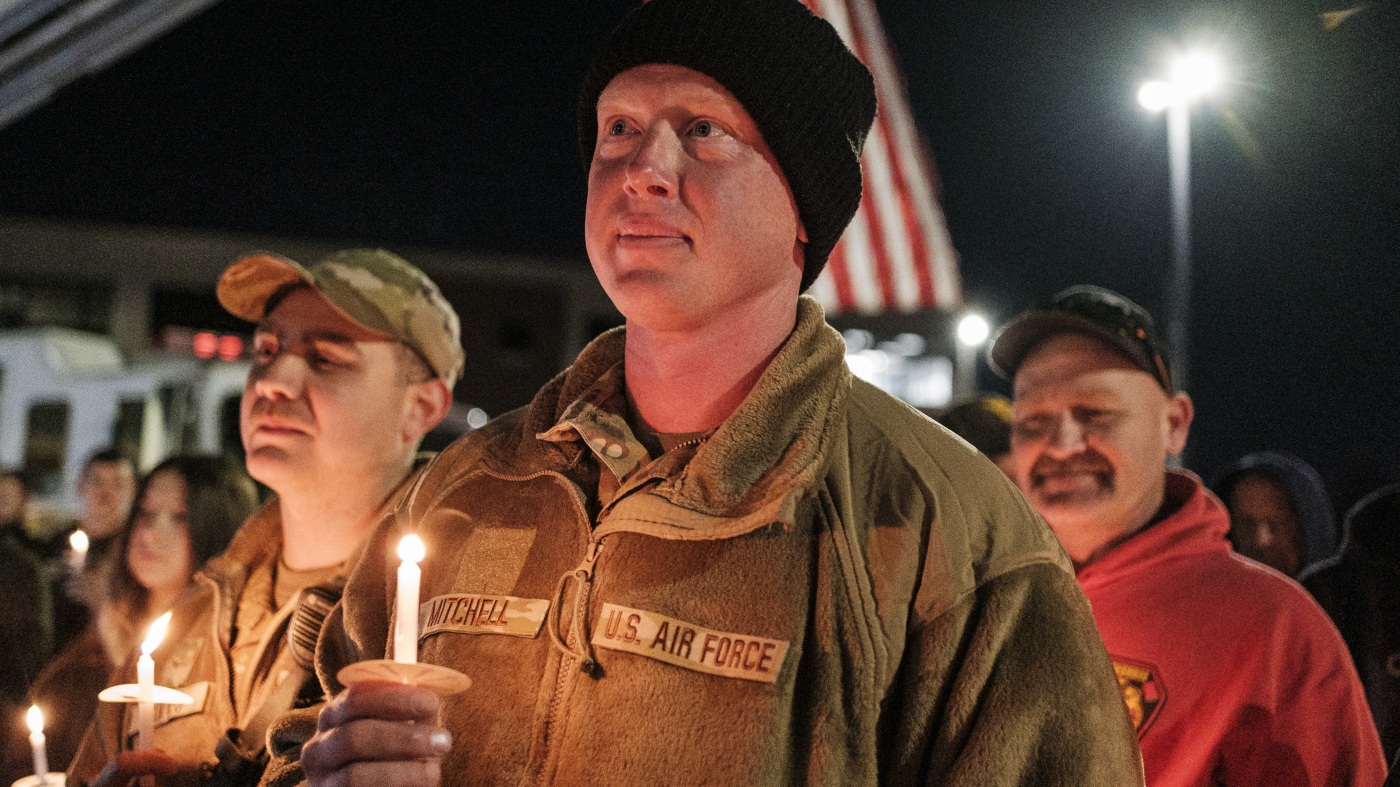
Staff Sergeant Jason Mitchell, from the same 167th Airlift Wing unit as Andrew Wolfe, shared his motivation: paying off college debt. Having served for 13 years and planning for full retirement benefits, Mitchell emphasizes the Guard's role in providing opportunities, a path his stepdaughter also recently chose. Martinsburg High School guidance counselor Charity Powers echoes this sentiment, observing that for many disadvantaged students, the Guard offers a crucial avenue for college, travel, and a sense of patriotic purpose.
Political Firestorm in West Virginia
However, the D.C. deployment's voluntary nature hasn't shielded Republican Governor Patrick Morrisey from a storm of criticism. Democratic lawmakers and state newspapers have lambasted Morrisey for endorsing a mission they label "political theater." Mike Pushkin, a state delegate and Democratic Party chairman, unequivocally states that Beckstrom and Wolfe "would not be there had it not been for the president calling in the National Guard in this strange form of political theater and it unfortunately put them in harm's way."
Community Voices and Divided Opinions
Despite Governor Morrisey's steadfast defense of the mission as a continuation of West Virginia's "legacy of service" to "clean up crime in our nation's capital," public opinion, even among Trump's ardent supporters, shows significant dissent. Roseanna Groves, a relative of Sarah Beckstrom in Webster Springs, expressed fury not only at the alleged attacker's presence in the U.S. (mistakenly blaming a previous administration) but also at the decision to deploy the Guard to Washington for what she deemed a "crazy" purpose. Kidd, the bus driver, views the deployment as overly political, believing the perceived menial tasks undermine the true value of their service.
The poignant reality that Sarah Beckstrom's image will soon join those of other local heroes on town banners underscores the immense personal cost. This tragedy has forced West Virginia to confront difficult questions about the true purpose and potential risks of military deployments on home soil, especially when they blur the lines between national security and political objectives.
By news
9 months ago