The global manufacturing landscape has undergone a seismic shift over the last decade, largely catalyzed by the trade policies enacted during the first Trump administration. Data from Wells Fargo reveals a dramatic decline in the proportion of supplier volume originating from China, Hong Kong, and Korea, plummeting from a dominant 90% to a mere 50%. This significant reorientation reflects a long-term diversification of supply chains, which gained considerable momentum during the initial trade war and has only intensified since.
Asia Pacific Nations Emerge as Manufacturing Hubs
Nations across Southeast and South Asia, including Indonesia, Vietnam, Thailand, and India, have emerged as key beneficiaries of this strategic realignment. Jeremy Jansen, head of global originations at Wells Fargo Supply Chain Finance, noted that supplier diversification away from China nearly doubled between 2018 and 2020, following the initial tariff actions. This trend has continued steadily, leading to a near 50/50 split in supplier counts between the northern and southern Asia Pacific regions. Mid-sized suppliers, in particular, are increasingly migrating to locations like Taiwan, Vietnam, Indonesia, Thailand, India, and Malaysia.
Shifting Global Trade Flows
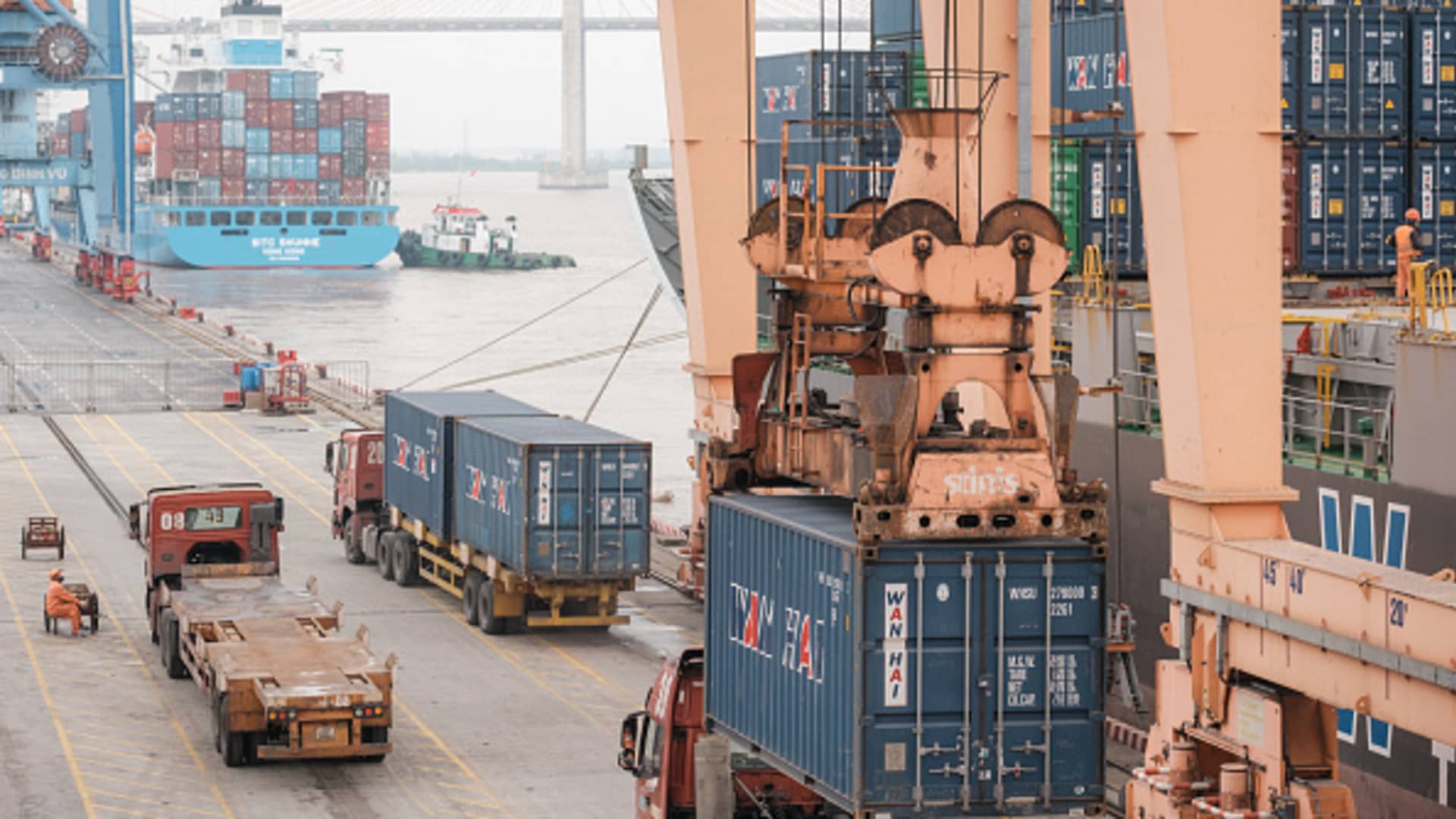
The impact on trade flows is evident. Imports from China to the U.S. have dropped by a substantial 26% year-over-year, according to SONAR data. Conversely, China's trade volumes with its South Asia Pacific neighbors have surged. Project 44, a firm tracking supply chain shifts, reports that China's trade in 2025 saw increases to Indonesia by 29.2%, Vietnam by 23%, India by 19.4%, and Thailand by 4.3%. In a reciprocal move, container trade volume from these nations to the U.S. has also climbed, with Vietnam seeing a 23% rise, Thailand 9.3%, and Indonesia 5.4% year-over-year. This illustrates the emergence of new trade corridors within Asia.
US Importers Face Financial Squeeze Amid Tariffs
Domestically, U.S. importers are grappling with the financial repercussions of these tariffs. While a potential Supreme Court ruling on the legality of President Trump's tariffs is pending, and major companies are already seeking refunds, the short-term reality presents a significant cash crunch for businesses. Ajit Menon, head of HSBC's U.S. trade finance business, points out that average tariffs have soared from 1.5% to double-digit figures. This increase, particularly painful for industries with thin margins like generic pharmaceuticals and retail/apparel, is driving a surge in working capital needs.
Rising Demand for Trade Finance
As inventory frontloaded in early 2025 to mitigate tariff impacts begins to dwindle, companies are facing renewed financial pressure. Menon confirmed that HSBC has observed an approximately 20% increase in financing flows across client segments since the initial tariff rollout. A recent HSBC survey of 1,000 U.S. companies further underscores this challenge, with over 70% reporting increased year-over-year working capital requirements. This forces many businesses to re-evaluate their entire supply chain strategy, scrutinizing payment terms, interest rates, and financing durations, as "cash is becoming king." The picture painted is one of ongoing adaptation and financial strain as the global trade re-alignment continues.